

You've found a development site and it's looking good - developable and profitable! The only problem is there's a pit cover right where your new crossover will need to be built.
Don't fall into the trap (or should I say pit?) of assuming it won't take much effort or cash to move it. That innocent looking pit cover can hide a lot of costs that might soon have all your projected profit rapidly seeping away. Hidden infrastructure costs can quickly destroy a property development feasibility if they're overlooked during due diligence.
So what can you do to make sure you don't end up with a great big money pit out the front of your property development site?

Who Owns It?
The first thing you need to do is have a good look at the pit cover. Chances are it identifies what type of service is lurking underneath. The standard ones are:
Once you've identified the type of service, find out who the local infrastructure provider is for that site. Their website can be a useful source of information and may even help you identify what type of pit is underneath based on any letters or codes printed on the cover.
It's also a good idea to use Before You Dig to determine why there's likely to be a pit there - which leads us into...
What Type Of Pit Is It?
There are two main types of pits. First up is an inspection pit. These allow a technician to access the inside of the pit in order to inspect the contents.
Sometimes this might just need to be big enough for them to look inside, but they can also be used to insert cameras into the infrastructure. Cameras allow pipes to be inspected further along the line without having to dig up a section of the nature strip or road.
The other type of pit is one that allows a person to climb down into it and access the contents of the pit. As a result, the pit needs to be much bigger. In which case it's likely to have a much bigger pit cover too.
There are two things to consider here. One is that the size of the pit matters. Obviously a big pit is going to cost more than a small one, if you need to look at shifting it.
There's also the issue of what's inside the pit. If it's an inspection point, moving the pit might only involve adding another access point further along the line at relatively little cost.
But if it's there so someone can climb in and work with the infrastructure inside, then moving that interactive infrastructure further along the line could be complicated and expensive, adding substantial cost to your property development project.
Is It A Straight Line Or A Junction?
The third question is probably the most vital, and here's where the plans from Dial Before You Dig really become useful.
Is the pipe/line inside the pit just a straight section? Or does the pit give access to a junction point or change of direction?
A straight line looks like this:
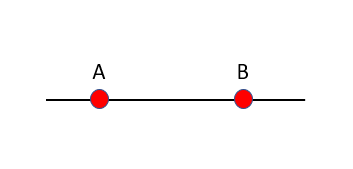
As an example, say the existing pit is at point A and you want to move it to point B. Putting aside questions around moving the contents of the pit that I've already raised, moving access is relatively simple.
Essentially, you just duplicate what was at point A at point B. Done.
A similar situation would be if you're at the end of the line. Extending the line a bit further is relatively straightforward (but not necessarily cheap!).
But what if the pit is actually a junction point? That's where the line splits into two, like this:
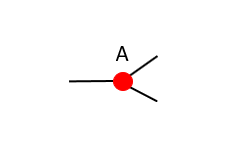
Now think about what you'd need to do in order to move the pit to point B.
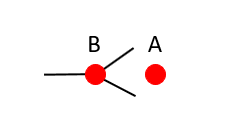
That's a whole different level of difficulty and expense to the straight line example. Not only do you have to replicate the existing point and its contents, you also have a flow on effect (pun intended!) to everything further up both branches. A change of direction in the service would have similar issues.
And while enough money may still solve the problem, the odds of the service provider even considering moving a junction pit or change of direction pit are basically zero. But you can always ask as part of your property development site due diligence.
If you want to learn how to identify costly site issues before they blow up your project feasibility, our Property Development Formula course is a great place to start.
Final Tips
If you're satisfied that moving the pit is at least plausible, spend some time on the infrastructure provider's website. There's often a lot of really useful information on their sites, including rough costings which are useful when you're in the early due diligence and feasibility stage of the property development process.
If it looks like the pit will have to stay right where it is, investigate some of the "drive over" options for pit covers. They may look a bit ugly in the middle of your crossover, but can be a lifesaver if a utility pit can't be moved. Not all councils or infrastructure providers allow them, though, so research is definitely required!
Utility pits may look boring and innocent, but never underestimate how much of a headache they can be for a development property. Happy digging!
Don't fall into the trap (or should I say pit?) of assuming it won't take much effort or cash to move it. That innocent looking pit cover can hide a lot of costs that might soon have all your projected profit rapidly seeping away. Hidden infrastructure costs can quickly destroy a property development feasibility if they're overlooked during due diligence.
So what can you do to make sure you don't end up with a great big money pit out the front of your property development site?
Who Owns It?
The first thing you need to do is have a good look at the pit cover. Chances are it identifies what type of service is lurking underneath. The standard ones are:
- Telecommunications
- Stormwater
- Water
- Sewer
- Gas
- Electricity
Once you've identified the type of service, find out who the local infrastructure provider is for that site. Their website can be a useful source of information and may even help you identify what type of pit is underneath based on any letters or codes printed on the cover.
It's also a good idea to use Before You Dig to determine why there's likely to be a pit there - which leads us into...
What Type Of Pit Is It?
There are two main types of pits. First up is an inspection pit. These allow a technician to access the inside of the pit in order to inspect the contents.
Sometimes this might just need to be big enough for them to look inside, but they can also be used to insert cameras into the infrastructure. Cameras allow pipes to be inspected further along the line without having to dig up a section of the nature strip or road.
The other type of pit is one that allows a person to climb down into it and access the contents of the pit. As a result, the pit needs to be much bigger. In which case it's likely to have a much bigger pit cover too.
There are two things to consider here. One is that the size of the pit matters. Obviously a big pit is going to cost more than a small one, if you need to look at shifting it.
There's also the issue of what's inside the pit. If it's an inspection point, moving the pit might only involve adding another access point further along the line at relatively little cost.
But if it's there so someone can climb in and work with the infrastructure inside, then moving that interactive infrastructure further along the line could be complicated and expensive, adding substantial cost to your property development project.
Is It A Straight Line Or A Junction?
The third question is probably the most vital, and here's where the plans from Dial Before You Dig really become useful.
Is the pipe/line inside the pit just a straight section? Or does the pit give access to a junction point or change of direction?
A straight line looks like this:
As an example, say the existing pit is at point A and you want to move it to point B. Putting aside questions around moving the contents of the pit that I've already raised, moving access is relatively simple.
Essentially, you just duplicate what was at point A at point B. Done.
A similar situation would be if you're at the end of the line. Extending the line a bit further is relatively straightforward (but not necessarily cheap!).
But what if the pit is actually a junction point? That's where the line splits into two, like this:
Now think about what you'd need to do in order to move the pit to point B.
That's a whole different level of difficulty and expense to the straight line example. Not only do you have to replicate the existing point and its contents, you also have a flow on effect (pun intended!) to everything further up both branches. A change of direction in the service would have similar issues.
And while enough money may still solve the problem, the odds of the service provider even considering moving a junction pit or change of direction pit are basically zero. But you can always ask as part of your property development site due diligence.
If you want to learn how to identify costly site issues before they blow up your project feasibility, our Property Development Formula course is a great place to start.
Final Tips
If you're satisfied that moving the pit is at least plausible, spend some time on the infrastructure provider's website. There's often a lot of really useful information on their sites, including rough costings which are useful when you're in the early due diligence and feasibility stage of the property development process.
If it looks like the pit will have to stay right where it is, investigate some of the "drive over" options for pit covers. They may look a bit ugly in the middle of your crossover, but can be a lifesaver if a utility pit can't be moved. Not all councils or infrastructure providers allow them, though, so research is definitely required!
Utility pits may look boring and innocent, but never underestimate how much of a headache they can be for a development property. Happy digging!