

You've got your site, plans are in progress, and then suddenly the penny drops - there's a tree on your nature strip (road reserve), right where your new driveway needs to go.
Now, I love trees, and would never advocate heading to the site in the dead of night with a chainsaw. Apart from the environmental aspect, fines and even jail time might be the result.
As property developers, our job is to solve problems, so what do you need to do to solve this one?
First up, let me be clear about one thing. While there are huge differences between states, and even between Councils in a state, about many things, they are all united on this.
Nature strip trees belong to the Council.
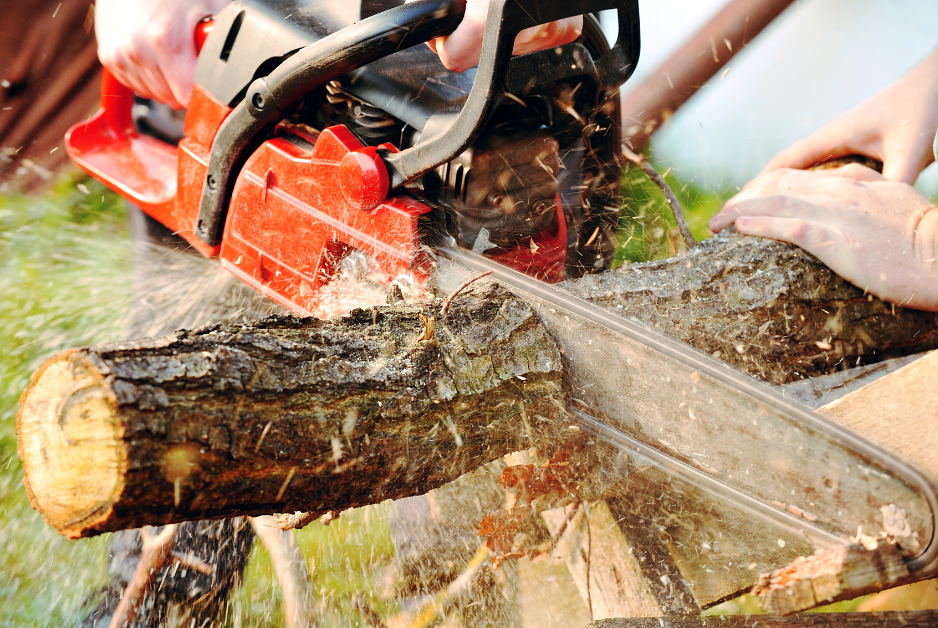 It doesn't matter how much you hate the tree, or how much it makes you sneeze during hayfever season. It's not your tree, so you have no right to remove it without their permission.
So now we've covered what you can't do, let's get into problem solving mode and determine what you can do.
First up, given that the Council owns the tree, you will need their approval to do anything with the tree. That includes removing the tree and moving it elsewhere, either on your block or within the community.
It's worth doing some digging (not of the tree!) before you approach council. Start with the Council's website. Many councils provide specific instructions for managing nature strip trees, so learn what permits or permissions are required for moving or removing a nature strip tree.
Moving from general to specific rules, determine if the tree is protected under heritage or conservation laws. While most trees are protected up to a point, you're likely to have more success if it doesn't have any specific protections. For example, removing it will be a lot harder if it's been identified as a significant tree.
Next up, if you think there's any possibility the tree isn't in peak condition, it's worth getting a certified arborist to assess the tree's health and risks.
Some things to look for include:
If your arborist comes back with grounds for removing the tree, then the next step is to submit an application to your council.
Provide details about the tree, its location, and the reasons for removal or relocation. Explain issues such as safety hazards, infrastructure damage, or concerns about the health of the tree.
And I'm sure it will come as no surprise that most councils will charge a fee for processing your application!
After submitting your application, the council will review it. It's likely a site visit will be conducted to verify the details in your application. A council arborist or specialist may assesses the tree’s health, safety risks, and potential environmental impact.
Some trees, especially mature or native species, may turn out to be protected under heritage or conservation laws. Wait, I hear you say, I checked that!
You probably did, but surprise! Some councils will have their "public" list, which is what you checked. But then they sometimes have a "council" list, which you don't have access to. And your tree might be on that list. Annoying, right?
But let's think positive. Your application is approved, and you’ll receive a permit with conditions you must follow. There are 3 possible courses of action:
Okay, so I've covered how to go about removing a tree when you have a good reason thanks to your arborist. But what if the tree is in the way of your new driveway, and the arborist can't find any grounds for removing it?
In this scenario there's no perfect answer, but the best place to start is to have a conversation with Council. Brainstorm with your own planner about how best to approach this, but essentially you need to take in your proposed development plans, and as part of that, discuss the nature strip tree.
 Terminology differs around the country, but it will be one of these:
The key is to make sure it's council who suggests removing the tree, not you. If you suggest it, they're much more likely to reject the idea.
So brush up on your negotiating skills in preparation for the meeting. Much as property developers like to grumble about Councils they deal with, the reality is that they do have the objective of seeing more housing in their area. You might be surprised how sensible and accommodating they can be if they're handled correctly.
To finish up, here's a fun fact. Most of the time Councils are the ones who plant trees on the nature strip. But what if you plant one yourself?
Hate to burst your bubble, but it's still not your tree, even if you plant it. So you can't remove it.
Reality is, removing or relocating a tree from a nature strip is a regulated process that involves obtaining permission from Council. There's no escaping that fact, but it's still possible to obtain the outcome you need if you take all the necessary steps.
Now, I love trees, and would never advocate heading to the site in the dead of night with a chainsaw. Apart from the environmental aspect, fines and even jail time might be the result.
As property developers, our job is to solve problems, so what do you need to do to solve this one?
First up, let me be clear about one thing. While there are huge differences between states, and even between Councils in a state, about many things, they are all united on this.
Nature strip trees belong to the Council.
It doesn't matter how much you hate the tree, or how much it makes you sneeze during hayfever season. It's not your tree, so you have no right to remove it without their permission.So now we've covered what you can't do, let's get into problem solving mode and determine what you can do.
First up, given that the Council owns the tree, you will need their approval to do anything with the tree. That includes removing the tree and moving it elsewhere, either on your block or within the community.
It's worth doing some digging (not of the tree!) before you approach council. Start with the Council's website. Many councils provide specific instructions for managing nature strip trees, so learn what permits or permissions are required for moving or removing a nature strip tree.
Moving from general to specific rules, determine if the tree is protected under heritage or conservation laws. While most trees are protected up to a point, you're likely to have more success if it doesn't have any specific protections. For example, removing it will be a lot harder if it's been identified as a significant tree.
Next up, if you think there's any possibility the tree isn't in peak condition, it's worth getting a certified arborist to assess the tree's health and risks.
Some things to look for include:
- safety concerns
- disease
- split trunks
- root decay
- interference with infrastructure
- obstructing visibility for drivers
- invasive species
If your arborist comes back with grounds for removing the tree, then the next step is to submit an application to your council.
Provide details about the tree, its location, and the reasons for removal or relocation. Explain issues such as safety hazards, infrastructure damage, or concerns about the health of the tree.
And I'm sure it will come as no surprise that most councils will charge a fee for processing your application!
After submitting your application, the council will review it. It's likely a site visit will be conducted to verify the details in your application. A council arborist or specialist may assesses the tree’s health, safety risks, and potential environmental impact.
Some trees, especially mature or native species, may turn out to be protected under heritage or conservation laws. Wait, I hear you say, I checked that!
You probably did, but surprise! Some councils will have their "public" list, which is what you checked. But then they sometimes have a "council" list, which you don't have access to. And your tree might be on that list. Annoying, right?
But let's think positive. Your application is approved, and you’ll receive a permit with conditions you must follow. There are 3 possible courses of action:
- cut down the tree - stump may be ground out or left in place
- plant a replacement tree
- the tree is carefully dug up and transplanted to a new location (most likely if it's a significant tree)
Okay, so I've covered how to go about removing a tree when you have a good reason thanks to your arborist. But what if the tree is in the way of your new driveway, and the arborist can't find any grounds for removing it?
In this scenario there's no perfect answer, but the best place to start is to have a conversation with Council. Brainstorm with your own planner about how best to approach this, but essentially you need to take in your proposed development plans, and as part of that, discuss the nature strip tree.
Terminology differs around the country, but it will be one of these:- pre-lodgement meeting
- pre-application meeting
- pre-app meeting
The key is to make sure it's council who suggests removing the tree, not you. If you suggest it, they're much more likely to reject the idea.
So brush up on your negotiating skills in preparation for the meeting. Much as property developers like to grumble about Councils they deal with, the reality is that they do have the objective of seeing more housing in their area. You might be surprised how sensible and accommodating they can be if they're handled correctly.
To finish up, here's a fun fact. Most of the time Councils are the ones who plant trees on the nature strip. But what if you plant one yourself?
Hate to burst your bubble, but it's still not your tree, even if you plant it. So you can't remove it.
Reality is, removing or relocating a tree from a nature strip is a regulated process that involves obtaining permission from Council. There's no escaping that fact, but it's still possible to obtain the outcome you need if you take all the necessary steps.