
There's a saying I love from Mark Twain: "Find a job you enjoy doing, and you will never have to work a day in your life."
I certainly know how that feels - I love what I do! My passion for helping 1,000 people become financially free underlies every decision I make for Property Developer Network.
But guess what. I also know the importance of removing emotion from the day-to-day decisions I make as a property developer. Let me explain why, and how this is a killer trait of mega successful property developers.
Being a mega-successful property developer requires a lot of determination. Sometimes the market just throws viable deals right in your path, but most of the time you have to expend a lot of blood, sweat and tears to find a potential development site.
So when you do, it's very easy to "fall in love" with the site. It feels like someone has finally thrown you a lifeline, and the relief of having a deal to move forward with is immense.
There's a problem with this though. It's too easy to start making decisions based on emotion at that point. It's taken so long to find the deal, you'll walk over hot coals to make it happen. And that's a BIG mistake. You definitely don't find mega-successful property developers doing that!
The flip side can also come into play. You allow negative emotions such as fear stop you from looking at the numbers and making the decision to go ahead. You start down the "but what if..." path and in the end never go ahead and do any deals.
Look, I'm not saying you shouldn't have some emotional input into the deal. Caring about the outcome, in terms of making sure it's the best development for the site and for the market, also helps you to enjoy the process more.
But keep the emotional outlook for the journey part of the process, not for the decision-making. Letting your emotions get involved leads to things like tweaking the figures just a little bit to make the feasibility spreadsheet look like it works, when it really doesn't. And that's just one example.
Let me break it down further.
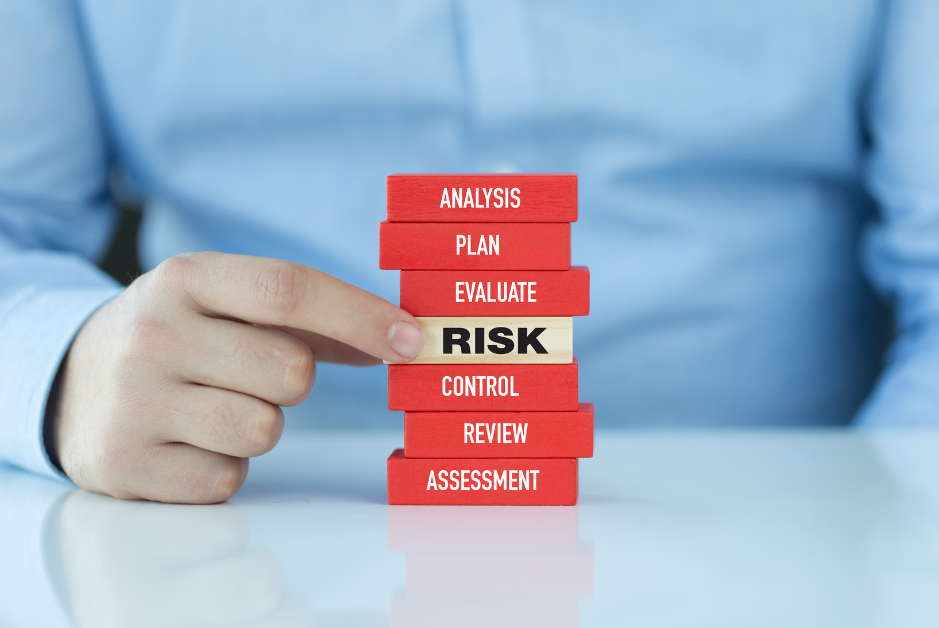
Risk Management
Property development involves substantial financial investment, and emotional decisions may lead to excessive risk-taking or, on the flip side, avoidance of reasonable risks. A logical approach allows for a thorough examination of potential risks and benefits. This helps you make informed decisions that consider the likelihood and impact of different outcomes.
Emotions can cloud judgment and lead to subjective decision-making. By relying on logical reasoning, you can make decisions based on concrete information rather than subjective feelings or biases. This helps ensure your choices align with the reality of the marketplace.
Show Me The Money
When it comes to property development, both completing the feasibility spreadsheet and keeping on top of cashflow throughout the development process are vital. You will set realistic budgets, choose direct comparables and make accurate forecasts.
Being emotionally attached may lead to overspending, unrealistic expectations, or inadequate financial planning. You know what I'm talking about - and although it's more common with renovators, it happens to developers too. That dreaded word - overcapitalisation.
Adaptability
The property market is dynamic and subject to change, often requiring you to solve problems you hadn't anticipated. Logical thinking is fundamental to effective problem-solving, helping you break problems down into manageable components, identifying root causes, and developing practical solutions.
 You also need to be flexible and responsive to new information or shifts in the market. Being emotionally attached to a particular plan or vision might stop you from adapting your approach to suit evolving conditions.
Consistency
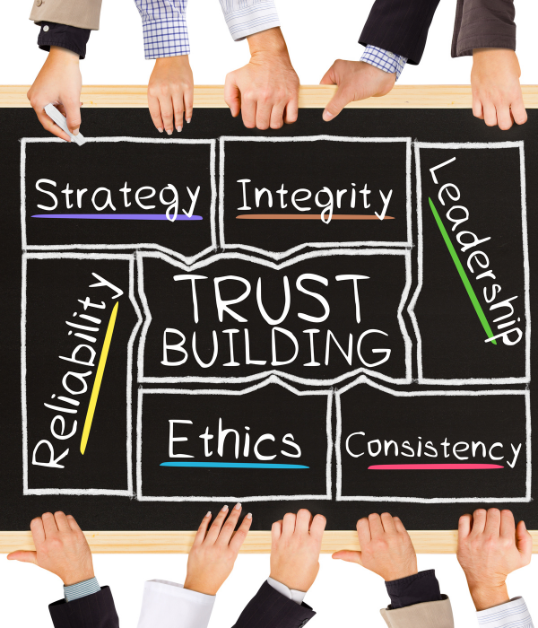
Logical decision-making promotes consistency. When you make decisions based on a logical analysis of the situation, similar situations are likely to be handled in the same way. This consistency is essential for building trust among stakeholders and maintaining a reliable business reputation.
Professionalism
While this doesn't specifically relate to making decisions, professional conduct is essential for success as a property developer. Property development is a business, and it's essential you maintain a professional and objective stance if you want to retain credibility and trust with stakeholders, including investors, partners, and clients.
This also rolls over into accountability. When decisions are based on sound reasoning and data rather than emotions, it's easier to explain and justify them to stakeholders. This contributes to a transparent and trustworthy business environment.
While it's essential to acknowledge the role of intuition and creativity in property development, particularly in aspects of design and innovation, separating your emotions from key business decisions is definitely a trait of mega-successful property developers. But keep the emotion in the journey, as that's often what will keep you going through all the ups and downs.
I certainly know how that feels - I love what I do! My passion for helping 1,000 people become financially free underlies every decision I make for Property Developer Network.
But guess what. I also know the importance of removing emotion from the day-to-day decisions I make as a property developer. Let me explain why, and how this is a killer trait of mega successful property developers.
Being a mega-successful property developer requires a lot of determination. Sometimes the market just throws viable deals right in your path, but most of the time you have to expend a lot of blood, sweat and tears to find a potential development site.
So when you do, it's very easy to "fall in love" with the site. It feels like someone has finally thrown you a lifeline, and the relief of having a deal to move forward with is immense.
There's a problem with this though. It's too easy to start making decisions based on emotion at that point. It's taken so long to find the deal, you'll walk over hot coals to make it happen. And that's a BIG mistake. You definitely don't find mega-successful property developers doing that!
The flip side can also come into play. You allow negative emotions such as fear stop you from looking at the numbers and making the decision to go ahead. You start down the "but what if..." path and in the end never go ahead and do any deals.
Look, I'm not saying you shouldn't have some emotional input into the deal. Caring about the outcome, in terms of making sure it's the best development for the site and for the market, also helps you to enjoy the process more.
But keep the emotional outlook for the journey part of the process, not for the decision-making. Letting your emotions get involved leads to things like tweaking the figures just a little bit to make the feasibility spreadsheet look like it works, when it really doesn't. And that's just one example.
Let me break it down further.
Risk Management
Property development involves substantial financial investment, and emotional decisions may lead to excessive risk-taking or, on the flip side, avoidance of reasonable risks. A logical approach allows for a thorough examination of potential risks and benefits. This helps you make informed decisions that consider the likelihood and impact of different outcomes.
Emotions can cloud judgment and lead to subjective decision-making. By relying on logical reasoning, you can make decisions based on concrete information rather than subjective feelings or biases. This helps ensure your choices align with the reality of the marketplace.
Show Me The Money
When it comes to property development, both completing the feasibility spreadsheet and keeping on top of cashflow throughout the development process are vital. You will set realistic budgets, choose direct comparables and make accurate forecasts.
Being emotionally attached may lead to overspending, unrealistic expectations, or inadequate financial planning. You know what I'm talking about - and although it's more common with renovators, it happens to developers too. That dreaded word - overcapitalisation.
Adaptability
The property market is dynamic and subject to change, often requiring you to solve problems you hadn't anticipated. Logical thinking is fundamental to effective problem-solving, helping you break problems down into manageable components, identifying root causes, and developing practical solutions.
You also need to be flexible and responsive to new information or shifts in the market. Being emotionally attached to a particular plan or vision might stop you from adapting your approach to suit evolving conditions.Consistency
Logical decision-making promotes consistency. When you make decisions based on a logical analysis of the situation, similar situations are likely to be handled in the same way. This consistency is essential for building trust among stakeholders and maintaining a reliable business reputation.
Professionalism
While this doesn't specifically relate to making decisions, professional conduct is essential for success as a property developer. Property development is a business, and it's essential you maintain a professional and objective stance if you want to retain credibility and trust with stakeholders, including investors, partners, and clients.
This also rolls over into accountability. When decisions are based on sound reasoning and data rather than emotions, it's easier to explain and justify them to stakeholders. This contributes to a transparent and trustworthy business environment.
While it's essential to acknowledge the role of intuition and creativity in property development, particularly in aspects of design and innovation, separating your emotions from key business decisions is definitely a trait of mega-successful property developers. But keep the emotion in the journey, as that's often what will keep you going through all the ups and downs.