

You're doing the due diligence on your site (I certainly hope you are!) and there it is - an overland flow overlay. Before you run screaming in panic from the room, rest assured that this is not the end of your development dreams.
Okay, so that was a bit dramatic, but the reality is that dealing with an overland flow overlay is like any other factor that pops up in due diligence - identify it, work out the risk, and determine whether that risk can be managed within the parameters of your feasibility.
Simple, right? Let's take a deep dive (bad pun!) into the steps you should take if your site has an overland flow overlay. Try saying that 10 times fast.
What Is Overland Flow?
Let's start by defining what overland flow actually is. Essentially, it means that a portion of the property is at risk of flooding from surface water during heavy rainfall events.
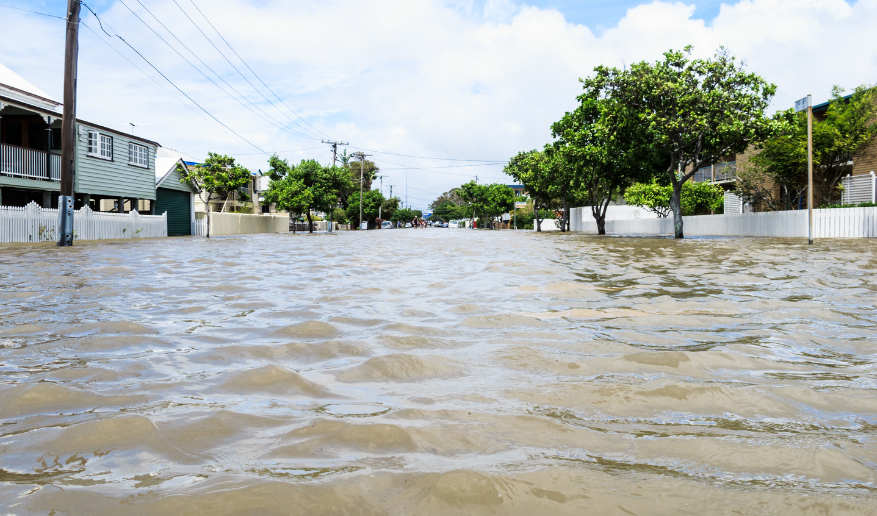 To expand on that, it's surface water runoff that moves across the land before entering defined waterways or underground drainage systems. It usually occurs when stormwater systems are overwhelmed or when natural depressions in the land carry water.
And just to make things even more complicated, there are two main types of overland flow, causing different problems:
Unlike when rivers flood, overland flow is typically shallow and fast-moving, but it can still cause:
Most councils include overland flow overlays in their planning schemes to manage flood risk and ensure developments are designed to withstand and minimize water-related impacts.
You Have An Overland Flow Overlay - What Next?
The first thing you should do is carefully review the local planning scheme or zoning map to understand:
As a general rule of thumb, councils will base their requirements on a 1 in 100 year flood, allowing for a margin of error. Most councils or planning authorities provide mapping tools, fact sheets, and development guides for properties affected by flood-related overlays. Keep in mind that the overlay doesn't usually mean you can't build, but it will likely trigger additional design, engineering, and approval requirements.
Some councils allow minor structures like fences, carports, or landscaping within overland flow areas, while others may impose strict design conditions for all development within the overlay. So it's important to understand all of your council's requirements.
Get Help!
The next step is to work with a Hydraulic Engineer, who will be your new best friend in this project. A hydraulic engineer will assess the overland flow path and the potential impact on your site. Some of the key factors the engineer will identify are:
All of these factors have a big impact on how the overland flow will impact your property.
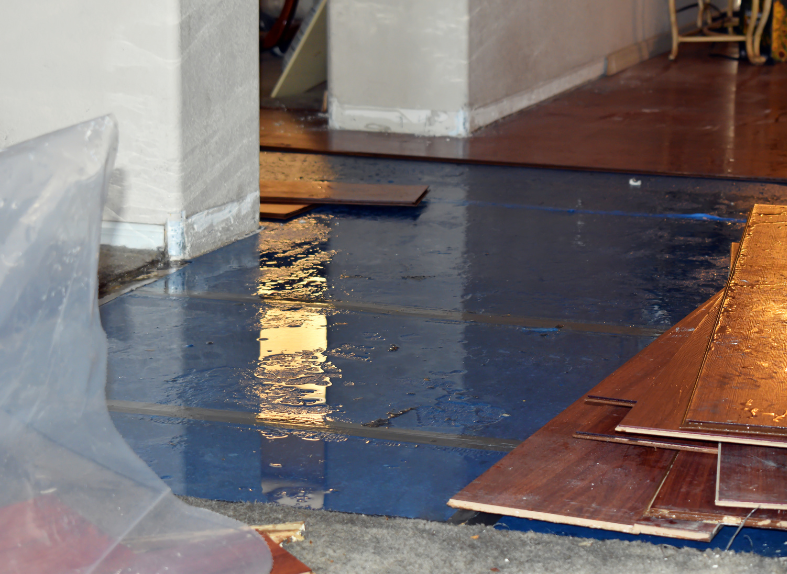 Now all those factors have been calculated, the engineer can then recommend design solutions to reduce the risk. This could include modifications to the landform, drainage systems, or structure locations to reduce flood risk.
And it's not just about your property - the engineer has to ensure your development won't obstruct or divert flow in a way that increases the flood risk for your neighbours.
Bottom line, it's all about making sure the water can flow safely across your property without causing damage or water entering the buildings you have built there.
What Can Be Done?
As I've already said, just because there's an overland flow risk, that doesn't mean you can't do anything. Once you have feedback from your hydraulic engineer, you can start to work out what the approximate costs are likely to be, based on the required mitigation of overland flow.
These mitigations can range from quick and cheap through to extensive and costly. Here are some potential solutions:
And while all of these things are useful, reality is that they're not generally "set and forget" solutions. So if you're planning to hold the development longer term, you need to be prepared for maintenance.
This can be as simple as a regular check to ensure nothing has clogged up through to sediment removal and management of vegetation.
Having an overland flow overlay on your property doesn't mean your development plans are doomed, but it does mean you must take careful, proactive steps to manage stormwater and flood risk. By working with professionals, following council guidelines, and integrating flood-resilient design, you can develop your property safely and legally.
The important thing is that once you're aware of it, do your due diligence so you know whether or not your development plans are feasible.
Okay, so that was a bit dramatic, but the reality is that dealing with an overland flow overlay is like any other factor that pops up in due diligence - identify it, work out the risk, and determine whether that risk can be managed within the parameters of your feasibility.
Simple, right? Let's take a deep dive (bad pun!) into the steps you should take if your site has an overland flow overlay. Try saying that 10 times fast.
What Is Overland Flow?
Let's start by defining what overland flow actually is. Essentially, it means that a portion of the property is at risk of flooding from surface water during heavy rainfall events.
To expand on that, it's surface water runoff that moves across the land before entering defined waterways or underground drainage systems. It usually occurs when stormwater systems are overwhelmed or when natural depressions in the land carry water.And just to make things even more complicated, there are two main types of overland flow, causing different problems:
- sheet flow – a thin, even layer of water moving across a surface
- channelised flow - water that concentrates in small depressions or artificial channels, with increased erosive power
Unlike when rivers flood, overland flow is typically shallow and fast-moving, but it can still cause:
- damage to buildings and infrastructure
- erosion and sedimentation
- localized flooding of yards, roads, and basements
Most councils include overland flow overlays in their planning schemes to manage flood risk and ensure developments are designed to withstand and minimize water-related impacts.
You Have An Overland Flow Overlay - What Next?
The first thing you should do is carefully review the local planning scheme or zoning map to understand:
- which parts of your property are affected
- the specific requirements or constraints triggered by the overlay
- the source and direction of likely overland flow paths
As a general rule of thumb, councils will base their requirements on a 1 in 100 year flood, allowing for a margin of error. Most councils or planning authorities provide mapping tools, fact sheets, and development guides for properties affected by flood-related overlays. Keep in mind that the overlay doesn't usually mean you can't build, but it will likely trigger additional design, engineering, and approval requirements.
Some councils allow minor structures like fences, carports, or landscaping within overland flow areas, while others may impose strict design conditions for all development within the overlay. So it's important to understand all of your council's requirements.
Get Help!
The next step is to work with a Hydraulic Engineer, who will be your new best friend in this project. A hydraulic engineer will assess the overland flow path and the potential impact on your site. Some of the key factors the engineer will identify are:
- size of the catchment area
- likely volume of water flowing through the site
- likely depth of the water
- likely speed of the water flow
- how rapidly the water is likely to rise and fall
All of these factors have a big impact on how the overland flow will impact your property.
Now all those factors have been calculated, the engineer can then recommend design solutions to reduce the risk. This could include modifications to the landform, drainage systems, or structure locations to reduce flood risk.And it's not just about your property - the engineer has to ensure your development won't obstruct or divert flow in a way that increases the flood risk for your neighbours.
Bottom line, it's all about making sure the water can flow safely across your property without causing damage or water entering the buildings you have built there.
What Can Be Done?
As I've already said, just because there's an overland flow risk, that doesn't mean you can't do anything. Once you have feedback from your hydraulic engineer, you can start to work out what the approximate costs are likely to be, based on the required mitigation of overland flow.
These mitigations can range from quick and cheap through to extensive and costly. Here are some potential solutions:
- elevated floor levels
- flood-resistant materials
- non-habitable use below flood levels
- site grading
- using permeable paving materials
- clustering development to preserve open space
- incorporating green roofs and vegetated areas
- silt fences to intercept sediment
- check dams in temporary ditches to slow water
- mulching and matting to protect bare soils
- buffer strips along property boundaries or water bodies to filter out pollutants
- rain gardens that capture roof runoff
And while all of these things are useful, reality is that they're not generally "set and forget" solutions. So if you're planning to hold the development longer term, you need to be prepared for maintenance.
This can be as simple as a regular check to ensure nothing has clogged up through to sediment removal and management of vegetation.
Having an overland flow overlay on your property doesn't mean your development plans are doomed, but it does mean you must take careful, proactive steps to manage stormwater and flood risk. By working with professionals, following council guidelines, and integrating flood-resilient design, you can develop your property safely and legally.
The important thing is that once you're aware of it, do your due diligence so you know whether or not your development plans are feasible.