

I often say that you should start a property development project with the end in mind. There's many different ways to exit a project, but two very common ones are house & land packages and off-the-plan sales.
Your project sales strategy can dramatically impact your risk profile, funding position, buyer pool and overall profitability, so it's important to understand which one is going to give you the best outcome.
Both models can work exceptionally well, but they suit different types of projects, markets and developer skill sets. So if you're weighing up which strategy to use for your next project, here’s a detailed breakdown of how they compare.
What Is a House & Land Package?
A house and land package is typically delivered in two contracts:
1. A land contract (usually unconditional once titled)
2. A building contract with a nominated builder
The buyer purchases the block and simultaneously enters into a contract to construct a dwelling.
This model is commonly used in greenfield subdivisions and masterplanned communities, particularly in growth corridors where price-sensitive buyers are seeking turnkey outcomes. The developer may sell the land directly and either control the build arm or work in partnership with a builder to deliver the finished product.
The land title is often registered (or close to registration), and construction only begins once the buyer is secured.
What Is Selling Off-the-Plan?
Selling off the plan means buyers commit to purchasing a property before construction is completed, and often before it even starts.
This model is commonly used for:
Buyers sign a single contract for the completed product based on plans, renders and specifications. Settlement occurs once construction is complete and titles are issued.
Funding & Presales Requirements
One of the biggest differences between the two strategies lies in funding and presales. Off-the-plan projects are often structured specifically to satisfy lender requirements. Most banks require a level of presales before releasing construction funding, sometimes needing debt coverage of 50 per cent or more.
Securing buyers early can strengthen your funding application and reduce equity exposure. However, it also means locking in sale prices well before construction is complete, exposing you to cost escalations and market fluctuations during the build period.
House and land packages can be funded differently. If you are subdividing land, you may finance the civil works and then sell titled lots without being directly exposed to full construction risk. Where the build contract sits separately with a third-party builder, much of the construction risk is not carried on your balance sheet. This can make the house and land package option particularly attractive for smaller developers seeking to manage risk carefully.
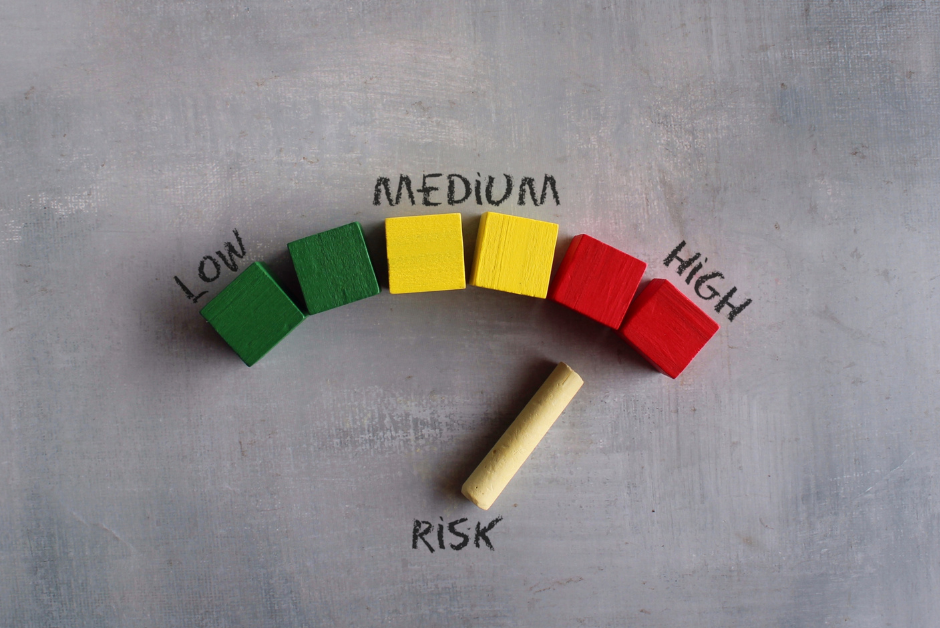 Risk Profile
Risk profile is a critical consideration. With off-the-plan developments, you carry the exposure throughout the entire construction cycle. Delays, builder insolvency, cost blowouts or changes in market conditions can all impact your outcome. Settlement risk is also significant. If the market softens during construction and valuations at completion fall below contract prices, buyers may struggle to obtain finance and fail to settle. This creates uncertainty and can significantly impact cash flow projections.
House and land packages tend to reduce some of this settlement volatility, particularly where land values are aligned closely with current market evidence at the time of sale. Buyers also have the psychological comfort of purchasing a tangible block rather than purely a concept. That said, house and land is not risk-free. Builder capacity issues, delays in titling, or misaligned expectations around inclusions can still create complications.
Buyer Pool & Market Appeal
The type of buyer differs significantly between the two models.
House & Land Buyers:
These buyers are often motivated by fixed pricing, turnkey inclusions and eligibility for government incentives. They may be more price sensitive but also more straightforward in their expectations.
Off-the-Plan Buyers:
Off-the-plan buyers are more comfortable purchasing from plans, particularly when the location and developer reputation are strong. In premium or tightly held areas, off-the-plan projects can command higher price points due to lifestyle positioning and limited supply.
So if your target market is first home buyers in a growth corridor, house & land packages may convert more easily. If you're developing townhouses in a middle-ring suburb, off-the-plan may better suit.
Cash Flow & Timing
Cash flow timing is another area where the models diverge. In off-the-plan projects, deposits are usually held in trust and do not provide usable capital during construction. The majority of revenue is realised at final settlement, which may be 12 to 24 months after exchange. This can create extended holding periods where finance and interest costs accumulate.
With house and land, land settlements often occur earlier in the process. If structured appropriately, this can improve cash flow staging and reduce long holding exposure. Where the building contract sits with the buyer and builder directly, the developer’s role may be limited to land delivery, allowing earlier realisation of profit.
Marketing & Sales Complexity
Off-the-plan campaigns tend to be more marketing intensive.
They often require:
In contrast, house and land packages are often marketed via:
House and land marketing can be more price-driven and simpler, while off-the-plan often relies more heavily on lifestyle and design positioning.
 Pricing Strategy & Margins
From a pricing perspective, off-the-plan developments require careful allowance for escalation and contingencies. You are committing to deliver a future product at today’s price. If construction costs increase or timelines extend, margins can quickly compress.
House and land packages can allow clearer separation between land margin and build margin, offering some flexibility to adjust pricing as market conditions change.
Settlement Risk
One of the biggest hidden risks in off-the-plan developments is valuation risk at settlement. If market values soften during construction, bank valuations may come in low, buyers may need to contribute more equity and as a result contracts may collapse
House and land packages can reduce this exposure because land values are often set closer to current market, but construction contracts can be fixed price and so buyers may have more equity flexibility
That said, no model eliminates settlement risk entirely.
Which Strategy Suits Which Developer?
Ultimately, neither strategy is inherently superior. The right choice depends on your project type, funding structure, target market and appetite for risk. House and land packages often suit greenfield developments in growth corridors where affordability and simplicity drive demand. Off-the-plan selling is often essential for medium-density or infill projects where presales underpin funding and where location supports early buyer commitment.
Many developers are now adopting hybrid approaches. It’s increasingly common to pre-sell part of a project to secure funding while retaining some stock for sale closer to completion. Others may offer house and land packages in early estate stages, then shift strategy as market confidence builds. Flexibility is often more powerful than committing rigidly to one model.
In the end, it all comes down to the numbers (bet you've heard me say that before!). Let the feasibility guide your decision. Sensitivity analysis should test absorption rates, funding requirements, settlement risk and exposure to interest rate movements. The sales structure should strengthen your financial outcome, not simply follow what others in the market are doing.
If selling off-the-plan increases return but adds settlement volatility, is that acceptable for your risk appetite?
If house and land reduces exposure but limits upside, does that suit your capital position?
As developers, we often focus heavily on site acquisition and planning approvals. But the sales structure you choose can be just as critical to profitability.
Before committing to either model, step back and assess not just what works in theory, but what works for your capital, experience level, and market conditions.
Because in development, it’s not just about building the product.
It’s about structuring the exit intelligently.
Your project sales strategy can dramatically impact your risk profile, funding position, buyer pool and overall profitability, so it's important to understand which one is going to give you the best outcome.
Both models can work exceptionally well, but they suit different types of projects, markets and developer skill sets. So if you're weighing up which strategy to use for your next project, here’s a detailed breakdown of how they compare.
What Is a House & Land Package?
A house and land package is typically delivered in two contracts:
1. A land contract (usually unconditional once titled)
2. A building contract with a nominated builder
The buyer purchases the block and simultaneously enters into a contract to construct a dwelling.
This model is commonly used in greenfield subdivisions and masterplanned communities, particularly in growth corridors where price-sensitive buyers are seeking turnkey outcomes. The developer may sell the land directly and either control the build arm or work in partnership with a builder to deliver the finished product.
The land title is often registered (or close to registration), and construction only begins once the buyer is secured.
What Is Selling Off-the-Plan?
Selling off the plan means buyers commit to purchasing a property before construction is completed, and often before it even starts.
This model is commonly used for:
- Apartment developments
- Townhouse projects
- Medium-density developments
- Larger multi-lot subdivisions
Buyers sign a single contract for the completed product based on plans, renders and specifications. Settlement occurs once construction is complete and titles are issued.
Funding & Presales Requirements
One of the biggest differences between the two strategies lies in funding and presales. Off-the-plan projects are often structured specifically to satisfy lender requirements. Most banks require a level of presales before releasing construction funding, sometimes needing debt coverage of 50 per cent or more.
Securing buyers early can strengthen your funding application and reduce equity exposure. However, it also means locking in sale prices well before construction is complete, exposing you to cost escalations and market fluctuations during the build period.
House and land packages can be funded differently. If you are subdividing land, you may finance the civil works and then sell titled lots without being directly exposed to full construction risk. Where the build contract sits separately with a third-party builder, much of the construction risk is not carried on your balance sheet. This can make the house and land package option particularly attractive for smaller developers seeking to manage risk carefully.
Risk ProfileRisk profile is a critical consideration. With off-the-plan developments, you carry the exposure throughout the entire construction cycle. Delays, builder insolvency, cost blowouts or changes in market conditions can all impact your outcome. Settlement risk is also significant. If the market softens during construction and valuations at completion fall below contract prices, buyers may struggle to obtain finance and fail to settle. This creates uncertainty and can significantly impact cash flow projections.
House and land packages tend to reduce some of this settlement volatility, particularly where land values are aligned closely with current market evidence at the time of sale. Buyers also have the psychological comfort of purchasing a tangible block rather than purely a concept. That said, house and land is not risk-free. Builder capacity issues, delays in titling, or misaligned expectations around inclusions can still create complications.
Buyer Pool & Market Appeal
The type of buyer differs significantly between the two models.
House & Land Buyers:
- Owner occupiers
- First home buyers
- SMSF buyers
- Investors wanting depreciation benefits
- Buyers eligible for government incentives
These buyers are often motivated by fixed pricing, turnkey inclusions and eligibility for government incentives. They may be more price sensitive but also more straightforward in their expectations.
Off-the-Plan Buyers:
- Investors
- Downsizers
- Urban professionals
- Speculators in growth markets
Off-the-plan buyers are more comfortable purchasing from plans, particularly when the location and developer reputation are strong. In premium or tightly held areas, off-the-plan projects can command higher price points due to lifestyle positioning and limited supply.
So if your target market is first home buyers in a growth corridor, house & land packages may convert more easily. If you're developing townhouses in a middle-ring suburb, off-the-plan may better suit.
Cash Flow & Timing
Cash flow timing is another area where the models diverge. In off-the-plan projects, deposits are usually held in trust and do not provide usable capital during construction. The majority of revenue is realised at final settlement, which may be 12 to 24 months after exchange. This can create extended holding periods where finance and interest costs accumulate.
With house and land, land settlements often occur earlier in the process. If structured appropriately, this can improve cash flow staging and reduce long holding exposure. Where the building contract sits with the buyer and builder directly, the developer’s role may be limited to land delivery, allowing earlier realisation of profit.
Marketing & Sales Complexity
Off-the-plan campaigns tend to be more marketing intensive.
They often require:
- High-quality renders
- Display suites
- Detailed specifications
- Sales agents experienced in OTP
- Buyer education
In contrast, house and land packages are often marketed via:
- Builder partnerships
- Estate agents
- Turnkey package listings
- Volume marketing portals
House and land marketing can be more price-driven and simpler, while off-the-plan often relies more heavily on lifestyle and design positioning.
Pricing Strategy & MarginsFrom a pricing perspective, off-the-plan developments require careful allowance for escalation and contingencies. You are committing to deliver a future product at today’s price. If construction costs increase or timelines extend, margins can quickly compress.
House and land packages can allow clearer separation between land margin and build margin, offering some flexibility to adjust pricing as market conditions change.
Settlement Risk
One of the biggest hidden risks in off-the-plan developments is valuation risk at settlement. If market values soften during construction, bank valuations may come in low, buyers may need to contribute more equity and as a result contracts may collapse
House and land packages can reduce this exposure because land values are often set closer to current market, but construction contracts can be fixed price and so buyers may have more equity flexibility
That said, no model eliminates settlement risk entirely.
Which Strategy Suits Which Developer?
Ultimately, neither strategy is inherently superior. The right choice depends on your project type, funding structure, target market and appetite for risk. House and land packages often suit greenfield developments in growth corridors where affordability and simplicity drive demand. Off-the-plan selling is often essential for medium-density or infill projects where presales underpin funding and where location supports early buyer commitment.
Many developers are now adopting hybrid approaches. It’s increasingly common to pre-sell part of a project to secure funding while retaining some stock for sale closer to completion. Others may offer house and land packages in early estate stages, then shift strategy as market confidence builds. Flexibility is often more powerful than committing rigidly to one model.
In the end, it all comes down to the numbers (bet you've heard me say that before!). Let the feasibility guide your decision. Sensitivity analysis should test absorption rates, funding requirements, settlement risk and exposure to interest rate movements. The sales structure should strengthen your financial outcome, not simply follow what others in the market are doing.
If selling off-the-plan increases return but adds settlement volatility, is that acceptable for your risk appetite?
If house and land reduces exposure but limits upside, does that suit your capital position?
As developers, we often focus heavily on site acquisition and planning approvals. But the sales structure you choose can be just as critical to profitability.
Before committing to either model, step back and assess not just what works in theory, but what works for your capital, experience level, and market conditions.
Because in development, it’s not just about building the product.
It’s about structuring the exit intelligently.