

If you’ve been around property development for more than five minutes, you’ve probably heard the word "Bond" being used. But there's a catch - it’s one of those word that can mean very different things depending on who you’re talking to.
The word “bond” is commonly used in two very different contexts:
At their core, both types of bonds have a lot in common. They both involve security. They both affect cash flow. But they operate in completely different ways.
Let’s break them down.
Deposit Bonds for Property Purchases
When you purchase a property in Australia, the contract usually requires a deposit of 5% or 10% of the purchase price at exchange. On a $1 million site, that’s up to $100,000 tied up immediately. Yes, of course you can negotiate, but vendors (and agents!) get nervous with small deposits.
 For many developers, especially those running multiple projects or trying to control several sites at once, that kind of capital commitment can be restrictive. This is where a deposit bond can become useful.
A deposit bond allows you to exchange contracts (or go unconditional, if that's the terminology in your state) without paying the cash deposit upfront. Instead, a bond provider (usually an insurer) guarantees the deposit amount to the vendor.
So instead of physically transferring funds to the vendor’s trust account, you provide a bond certificate for the required deposit amount. If you settle as agreed, the bond simply expires. No money changes hands at that point because the deposit is paid at settlement as part of the purchase price.
If you default on the contract, the bond provider pays the vendor the deposit amount and then recovers that amount from you. In other words, the liability is still yours. The bond simply allows you to delay the cash outlay.
For developers, this can be extremely useful:
That said, deposit bonds are not a workaround for weak financials. Providers assess your capacity to settle before issuing the bond. There are fees involved, typically calculated as a percentage of the deposit amount and influenced by the length of time until settlement.
And most importantly, the bond does not reduce your contractual risk. If the deal falls over and it’s your fault, you are still responsible.
So remember: they work best when you already have strong funding approval in place. Used properly, deposit bonds are a cash flow management tool. Used carelessly, they can magnify risk.
Infrastructure Bonds for Civil Works
Now let’s talk about the other type of bond — the one developers deal with during subdivisions and civil works.
When you’re delivering infrastructure such as:
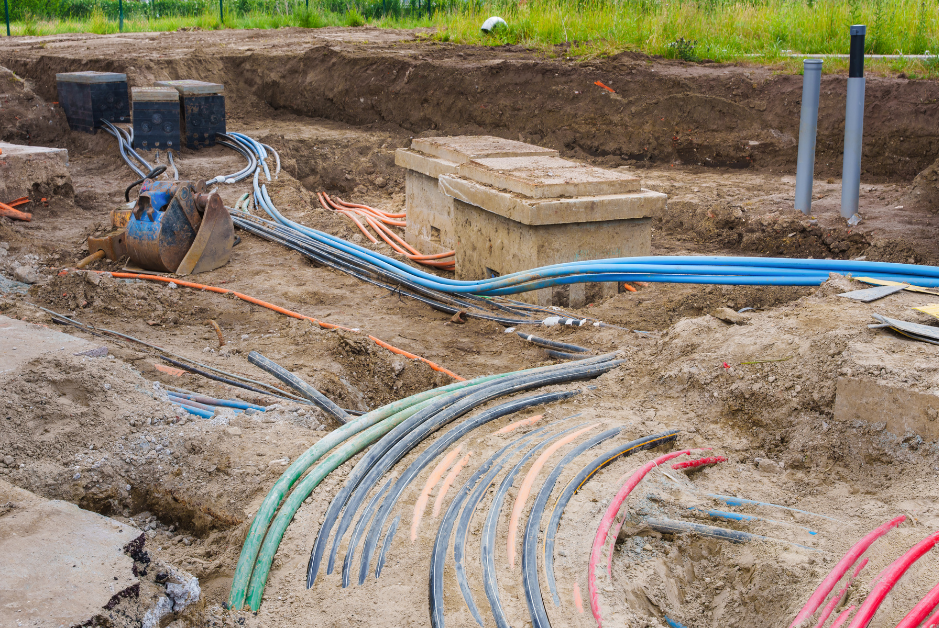 Council often requires a bond or bank guarantee before allowing works to commence or before issuing titles. This security is often referred to as an infrastructure or performance bond and its purpose is simple: it protects the Council and the public from the risk that works are not completed or are delivered below standard.
Typically, a developer is required to lodge security equal to a percentage of the total infrastructure value. This may be five to ten percent, although some councils require more. For larger civil packages, this can represent a significant sum. As an example, for a $1 million civil package, you might need a $100,000 security bond.
That’s significant.
From a feasibility perspective, infrastructure bonds are often underestimated. While they are refundable, they still impact working capital and borrowing capacity. In tight funding environments, this can materially affect your ability to progress other projects.
In short, the project might look profitable on paper, but you must be able to carry the security requirements throughout the lifecycle of the development.
It's All About Risk
At their core, both types of bonds are about allocating risk.
A property deposit bond protects the vendor against buyer default. An infrastructure bond protects the Council against non-performance or defective works. In both cases, someone else is being given comfort that obligations will be met.
As a developer, you are effectively standing behind both.
This is why it is essential to treat bonds as part of your broader capital strategy rather than as administrative details. Before signing contracts or accepting conditions of approval, you need to understand how much capital will be locked up, for how long, and under what conditions it will be released.
As a developer, your job is to understand where risk sits and price it into your deal. Just because you can secure a site with a bond doesn’t mean you should, for example.
One of the most common mistakes developers make is failing to incorporate bond requirements into their early feasibility modelling. They account for construction costs, consultant fees and contributions, but forget to include the impact of security bonds on cash flow.
Another frequent issue is assuming that bond release will occur quickly. Councils operate on their own timelines (can you hear me gritting my teeth?). Inspections, compliance sign-offs and paperwork can delay release, which in turn affects your ability to recycle capital into the next project.
With deposit bonds, the danger lies in overextending. Controlling multiple sites with minimal upfront cash can look attractive, but if finance tightens or approvals are delayed, exposure can accumulate quickly.
The bottom line is that deposit bonds and infrastructure bonds are both legitimate and often necessary components of property development. They are neither inherently good nor bad. Their effectiveness depends entirely on how they are used.
The key is understanding that neither eliminates risk. They simply shift timing and provide assurance to other parties.
As always in development, it comes back to feasibility, risk management, and understanding your cash flow.
Because in this game, it’s not just about whether the deal stacks up on paper. It’s about whether you can fund it, including bonds, from start to finish.
The word “bond” is commonly used in two very different contexts:
- A deposit bond for a property purchase instead of paying cash
- A bond lodged with Council to secure infrastructure works such as roads, drainage, or public assets
At their core, both types of bonds have a lot in common. They both involve security. They both affect cash flow. But they operate in completely different ways.
Let’s break them down.
Deposit Bonds for Property Purchases
When you purchase a property in Australia, the contract usually requires a deposit of 5% or 10% of the purchase price at exchange. On a $1 million site, that’s up to $100,000 tied up immediately. Yes, of course you can negotiate, but vendors (and agents!) get nervous with small deposits.
For many developers, especially those running multiple projects or trying to control several sites at once, that kind of capital commitment can be restrictive. This is where a deposit bond can become useful.A deposit bond allows you to exchange contracts (or go unconditional, if that's the terminology in your state) without paying the cash deposit upfront. Instead, a bond provider (usually an insurer) guarantees the deposit amount to the vendor.
So instead of physically transferring funds to the vendor’s trust account, you provide a bond certificate for the required deposit amount. If you settle as agreed, the bond simply expires. No money changes hands at that point because the deposit is paid at settlement as part of the purchase price.
If you default on the contract, the bond provider pays the vendor the deposit amount and then recovers that amount from you. In other words, the liability is still yours. The bond simply allows you to delay the cash outlay.
For developers, this can be extremely useful:
- Capital preservation - Keep your cash available for feasibility costs, consultants, or other deals
- Multiple site control - Secure several sites at once without tying up large deposits
- Short-term holds - Useful when doing a DA flip or on-selling prior to settlement
That said, deposit bonds are not a workaround for weak financials. Providers assess your capacity to settle before issuing the bond. There are fees involved, typically calculated as a percentage of the deposit amount and influenced by the length of time until settlement.
And most importantly, the bond does not reduce your contractual risk. If the deal falls over and it’s your fault, you are still responsible.
So remember: they work best when you already have strong funding approval in place. Used properly, deposit bonds are a cash flow management tool. Used carelessly, they can magnify risk.
Infrastructure Bonds for Civil Works
Now let’s talk about the other type of bond — the one developers deal with during subdivisions and civil works.
When you’re delivering infrastructure such as:
- Roads
- Footpaths
- Stormwater systems
- Street lighting
- Landscaping
Council often requires a bond or bank guarantee before allowing works to commence or before issuing titles. This security is often referred to as an infrastructure or performance bond and its purpose is simple: it protects the Council and the public from the risk that works are not completed or are delivered below standard.Typically, a developer is required to lodge security equal to a percentage of the total infrastructure value. This may be five to ten percent, although some councils require more. For larger civil packages, this can represent a significant sum. As an example, for a $1 million civil package, you might need a $100,000 security bond.
That’s significant.
From a feasibility perspective, infrastructure bonds are often underestimated. While they are refundable, they still impact working capital and borrowing capacity. In tight funding environments, this can materially affect your ability to progress other projects.
In short, the project might look profitable on paper, but you must be able to carry the security requirements throughout the lifecycle of the development.
It's All About Risk
At their core, both types of bonds are about allocating risk.
A property deposit bond protects the vendor against buyer default. An infrastructure bond protects the Council against non-performance or defective works. In both cases, someone else is being given comfort that obligations will be met.
As a developer, you are effectively standing behind both.
This is why it is essential to treat bonds as part of your broader capital strategy rather than as administrative details. Before signing contracts or accepting conditions of approval, you need to understand how much capital will be locked up, for how long, and under what conditions it will be released.
As a developer, your job is to understand where risk sits and price it into your deal. Just because you can secure a site with a bond doesn’t mean you should, for example.
One of the most common mistakes developers make is failing to incorporate bond requirements into their early feasibility modelling. They account for construction costs, consultant fees and contributions, but forget to include the impact of security bonds on cash flow.
Another frequent issue is assuming that bond release will occur quickly. Councils operate on their own timelines (can you hear me gritting my teeth?). Inspections, compliance sign-offs and paperwork can delay release, which in turn affects your ability to recycle capital into the next project.
With deposit bonds, the danger lies in overextending. Controlling multiple sites with minimal upfront cash can look attractive, but if finance tightens or approvals are delayed, exposure can accumulate quickly.
The bottom line is that deposit bonds and infrastructure bonds are both legitimate and often necessary components of property development. They are neither inherently good nor bad. Their effectiveness depends entirely on how they are used.
The key is understanding that neither eliminates risk. They simply shift timing and provide assurance to other parties.
As always in development, it comes back to feasibility, risk management, and understanding your cash flow.
Because in this game, it’s not just about whether the deal stacks up on paper. It’s about whether you can fund it, including bonds, from start to finish.