

You’ve found a site with potential. You can see the angles. You can see the upside. You might even be able to structure a deal that delivers a better outcome than a standard purchase.
But there’s a problem.
There’s an agent standing between you and the person you actually need to talk to - the vendor.
And when you try to dig a little deeper, ask better questions, or explore creative options… you get shut down.
Now what?
At that point, most developers either push too hard or walk away entirely. Neither approach works particularly well.
So the question becomes how do you talk to the vendor when there’s an agent controlling the process? Sounds like a piece of cake, right? Stop laughing!!
Accept Reality
The first thing to do is accept reality. You're not entitled to speak to the vendor, no matter how much you might want to. This is where a lot of developers go wrong. They want to do it, and label the agent as the bad guy in the situation.
Reality is, the agent has been engaged to manage the process, control communication, and ultimately secure the best possible outcome for their client. When you ask to speak directly with the vendor, it can feel like you’re trying to undermine that role.
That’s why the default response is often resistance.
But here’s the key…
Your goal isn’t to bypass the agent. Your job is to make the agent want to include you. Because if they see value in what you’re doing, they’re the ones who will open the door for you.
And that only happens when they understand why speaking to the vendor actually matters.
Think about it from the agent’s perspective:
But as a developer, you know that’s not how real deals work. You’re not just buying a property, you’re solving a problem.
And you can’t solve the right problem if you don’t understand:
Without that insight, you’re guessing. And guessing leads to generic offers that rarely win.
The problem is, agents don’t automatically see it that way. To them, most buyers are interchangeable. Price, terms, and certainty - that’s the framework they’re working within. So when you start asking deeper questions without explaining why, it creates uncertainty rather than confidence.
That’s why the way you frame the conversation matters so much.
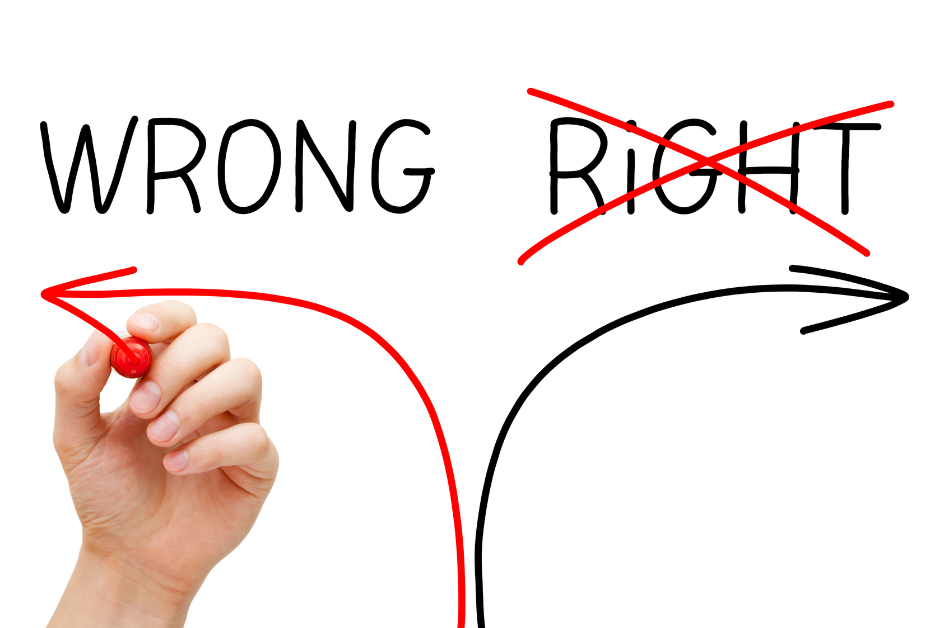 The Wrong Approach
Most developers approach this like a transaction. They ask questions like:
“Why are they selling?”
“Can I speak to them directly?”
“Can we structure something differently?”
To an agent, that raises red flags. It feels messy. It feels uncertain. It feels like risk. So they shut it down.
The Right Approach
If you lead with value, the dynamic shifts.
A far more effective approach is to explain how you operate as a developer and why flexibility in the deal structure can actually benefit the vendor. When you make it clear that you’re not just another buyer, but someone who can potentially create a better outcome, most agents start to listen differently.
For example:
When you can structure deals creatively through delayed settlements, vendor terms, or other mechanisms, you can stretch your capital further.
And here’s the key point: when you can do that, you’re often willing to pay more. That’s where the conversation really changes.
The Breakthrough Concept: Paying More
This is the part most developers miss. You’re not asking for access to make things easier for you. You’re asking for access because it allows you to create a better outcome for the vendor.
Fact is, most buyers are trying to negotiate the price down. But as a developer, your opportunity is often in paying more, just in a different way. When you remove or reduce holding costs like interest, land tax, and rates through creative structuring, those savings don’t have to stay with you. They can be passed back to the vendor as a higher price.
All of a sudden, you’re not asking for something. You’re offering something.
And that’s a very different position to be in.
When you explain this clearly, the request to speak with the vendor becomes far more reasonable. You’re not asking for access out of curiosity or convenience. You’re asking because you want to tailor a solution that could genuinely improve their outcome. And the only way to do that properly is to understand their situation directly.
Once you’ve framed the value, the ask becomes much easier. Instead of:
“Can I speak to the vendor?”
You’re effectively saying:
“There are multiple ways I could structure this deal.”
“I don’t know which one suits the vendor best without understanding their situation.”
“I’d like the opportunity to explore how I can get them a better outcome.”
That’s a very different conversation. Framed that way, the agent isn’t losing control of the process - they’re facilitating a better result.
 Make It About the Agent Too
Let’s not pretend incentives don’t matter.
If you can show the agent that:
You’re giving them multiple reasons to say yes.
At that point it's blindingly obvious to the agent that the ideal outcome is to bring everyone together. A direct conversation between developer, agent, and vendor removes layers of miscommunication and allows ideas to be explored in real time. Creative deals are difficult to negotiate through back-and-forth messages. They require discussion, clarification, and often a bit of back-and-forth thinking.
That’s where the real opportunities are unlocked.
What If the Agent Still Says No?
It will happen.
Some agents won’t budge. Some will stay defensive. Some simply won’t understand the value you’re offering.
It’s all part of the process, and it’s important not to overreact to it. One or two negative experiences can easily lead you to believe that “all agents are like this,” but that simply isn’t true.
The game isn’t about winning every interaction. It’s about increasing your chances over time.
Using Resistance to Your Advantage
How you handle resistance when it shows up is also a skill you develop over time. Pushing harder rarely works. It tends to reinforce the agent’s defensiveness. A more effective approach is to stay calm, stay aligned, and gently bring the focus back to the shared goal of getting the best outcome for the vendor.
Instead of arguing, you:
Because ultimately, you’re both trying to achieve the same thing.
When you do that well, you’re not fighting the process. You’re working within it, but in a way that creates more opportunity.
In the end, gaining access to the vendor isn’t about being aggressive or trying to bypass the agent. It’s about positioning yourself differently. When you communicate clearly, demonstrate value, and align your objectives with the agent’s role, you move out of the category of just another buyer.
You become someone worth introducing.
And that’s when the conversation changes and the better deals start to appear.
But there’s a problem.
There’s an agent standing between you and the person you actually need to talk to - the vendor.
And when you try to dig a little deeper, ask better questions, or explore creative options… you get shut down.
Now what?
At that point, most developers either push too hard or walk away entirely. Neither approach works particularly well.
So the question becomes how do you talk to the vendor when there’s an agent controlling the process? Sounds like a piece of cake, right? Stop laughing!!
Accept Reality
The first thing to do is accept reality. You're not entitled to speak to the vendor, no matter how much you might want to. This is where a lot of developers go wrong. They want to do it, and label the agent as the bad guy in the situation.
Reality is, the agent has been engaged to manage the process, control communication, and ultimately secure the best possible outcome for their client. When you ask to speak directly with the vendor, it can feel like you’re trying to undermine that role.
That’s why the default response is often resistance.
But here’s the key…
Your goal isn’t to bypass the agent. Your job is to make the agent want to include you. Because if they see value in what you’re doing, they’re the ones who will open the door for you.
And that only happens when they understand why speaking to the vendor actually matters.
Think about it from the agent’s perspective:
- You’re just another buyer
- Standard offers are easier
- The highest price usually wins
But as a developer, you know that’s not how real deals work. You’re not just buying a property, you’re solving a problem.
And you can’t solve the right problem if you don’t understand:
- The vendor’s timeline
- Their financial pressures
- Their motivations for selling
- Their appetite for flexibility
Without that insight, you’re guessing. And guessing leads to generic offers that rarely win.
The problem is, agents don’t automatically see it that way. To them, most buyers are interchangeable. Price, terms, and certainty - that’s the framework they’re working within. So when you start asking deeper questions without explaining why, it creates uncertainty rather than confidence.
That’s why the way you frame the conversation matters so much.
The Wrong ApproachMost developers approach this like a transaction. They ask questions like:
“Why are they selling?”
“Can I speak to them directly?”
“Can we structure something differently?”
To an agent, that raises red flags. It feels messy. It feels uncertain. It feels like risk. So they shut it down.
The Right Approach
If you lead with value, the dynamic shifts.
A far more effective approach is to explain how you operate as a developer and why flexibility in the deal structure can actually benefit the vendor. When you make it clear that you’re not just another buyer, but someone who can potentially create a better outcome, most agents start to listen differently.
For example:
- You have limited capital
- You can only run a certain number of projects at once
- If you can structure deals creatively, you can do more deals
- And importantly, you’re willing to pay more to do that
When you can structure deals creatively through delayed settlements, vendor terms, or other mechanisms, you can stretch your capital further.
And here’s the key point: when you can do that, you’re often willing to pay more. That’s where the conversation really changes.
The Breakthrough Concept: Paying More
This is the part most developers miss. You’re not asking for access to make things easier for you. You’re asking for access because it allows you to create a better outcome for the vendor.
Fact is, most buyers are trying to negotiate the price down. But as a developer, your opportunity is often in paying more, just in a different way. When you remove or reduce holding costs like interest, land tax, and rates through creative structuring, those savings don’t have to stay with you. They can be passed back to the vendor as a higher price.
All of a sudden, you’re not asking for something. You’re offering something.
And that’s a very different position to be in.
When you explain this clearly, the request to speak with the vendor becomes far more reasonable. You’re not asking for access out of curiosity or convenience. You’re asking because you want to tailor a solution that could genuinely improve their outcome. And the only way to do that properly is to understand their situation directly.
Once you’ve framed the value, the ask becomes much easier. Instead of:
“Can I speak to the vendor?”
You’re effectively saying:
“There are multiple ways I could structure this deal.”
“I don’t know which one suits the vendor best without understanding their situation.”
“I’d like the opportunity to explore how I can get them a better outcome.”
That’s a very different conversation. Framed that way, the agent isn’t losing control of the process - they’re facilitating a better result.
Make It About the Agent TooLet’s not pretend incentives don’t matter.
If you can show the agent that:
- The vendor could get a higher price
- The deal could still proceed smoothly
- There may be future sales opportunities (e.g. selling the finished product)
You’re giving them multiple reasons to say yes.
At that point it's blindingly obvious to the agent that the ideal outcome is to bring everyone together. A direct conversation between developer, agent, and vendor removes layers of miscommunication and allows ideas to be explored in real time. Creative deals are difficult to negotiate through back-and-forth messages. They require discussion, clarification, and often a bit of back-and-forth thinking.
That’s where the real opportunities are unlocked.
What If the Agent Still Says No?
It will happen.
Some agents won’t budge. Some will stay defensive. Some simply won’t understand the value you’re offering.
It’s all part of the process, and it’s important not to overreact to it. One or two negative experiences can easily lead you to believe that “all agents are like this,” but that simply isn’t true.
The game isn’t about winning every interaction. It’s about increasing your chances over time.
Using Resistance to Your Advantage
How you handle resistance when it shows up is also a skill you develop over time. Pushing harder rarely works. It tends to reinforce the agent’s defensiveness. A more effective approach is to stay calm, stay aligned, and gently bring the focus back to the shared goal of getting the best outcome for the vendor.
Instead of arguing, you:
- Acknowledge the agent’s role
- Reinforce their responsibility to the vendor
- Position your approach as helping them fulfil that role
Because ultimately, you’re both trying to achieve the same thing.
When you do that well, you’re not fighting the process. You’re working within it, but in a way that creates more opportunity.
In the end, gaining access to the vendor isn’t about being aggressive or trying to bypass the agent. It’s about positioning yourself differently. When you communicate clearly, demonstrate value, and align your objectives with the agent’s role, you move out of the category of just another buyer.
You become someone worth introducing.
And that’s when the conversation changes and the better deals start to appear.