

If you’ve found a great splitter or a prime block for subdivision and it comes with an existing house that stands in the way of your proposed new lot boundaries, one of the first decisions you’ll need to make is what to do with that house.
Many of us think the easiest option is to demolish. What could be sweeter than reducing a tired house that stands in the way of our grand plans to rubble?
Well, I’m going to suggest that before you bring in the wrecking ball you should consider the option of sliding the existing house into a new position.
Yep, you can pick up an entire house and move it to a new location on your site. It’s a development strategy that could make your deal more profitable.
Why slide?
So why would you want to slide a house?
In our network, it’s usually because we’re subdividing a larger property. We want to keep the existing home and create space to build a new house on the newly created lot.
It costs money to knock a house down – sometimes tens of thousands of dollars. And sure, there are plenty of houses that have seen far better days. But why knock it down if it has substantial intrinsic value? It might cost a bit more to slide it, but you’ve saved yourself money on doing a new build. Regardless of whether you decide to renovate the relocated home, a block of land with a house is often worth more than land alone.
So it’s a case of spending a small amount of money to add a lot of value. And in the process you’re doing the environment a huge favour by recycling rather than demolishing a house. Reusing an existing dwelling can also increase property development profitability.
There are a few other reasons you might decide on a slider:
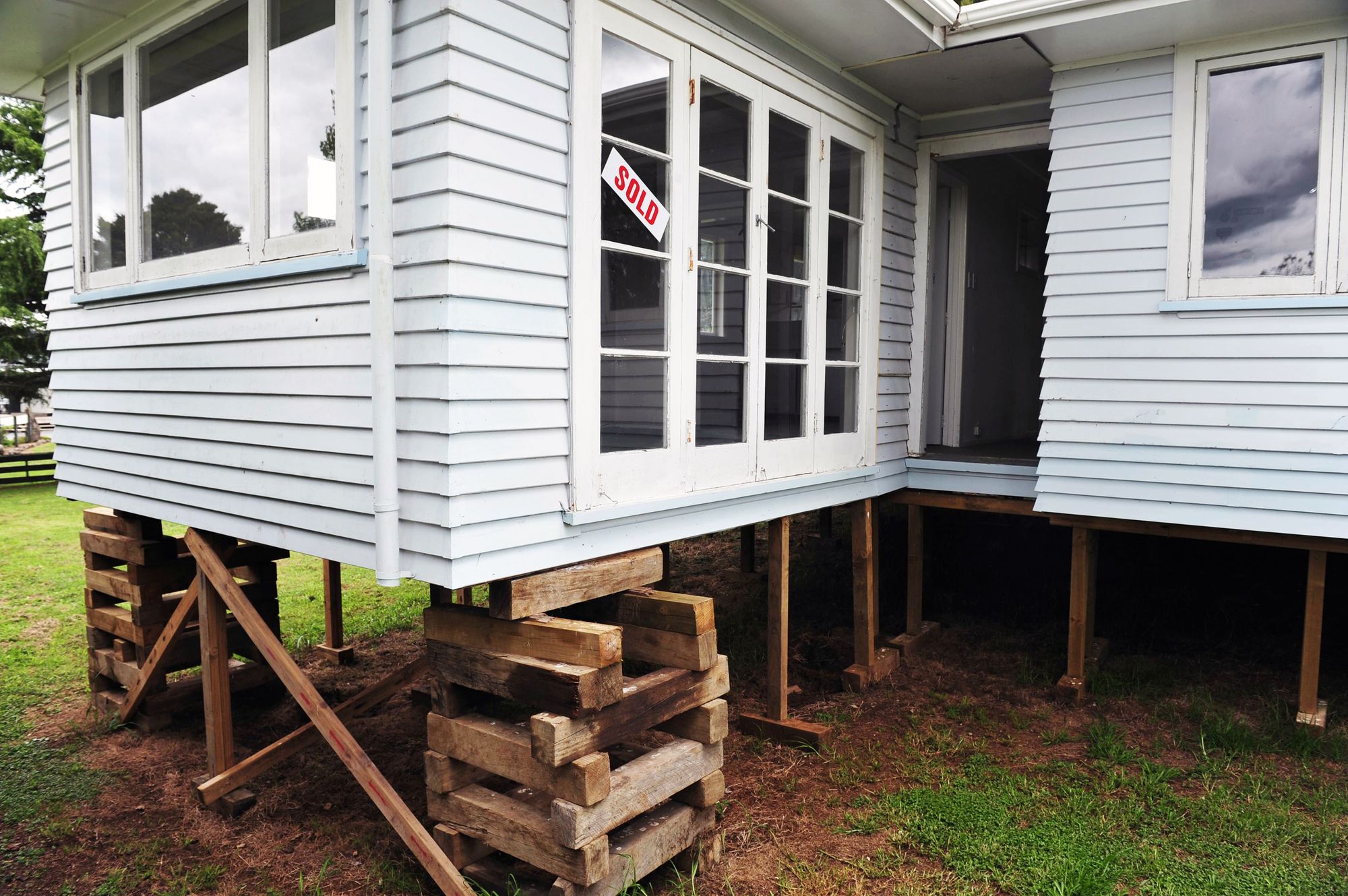
Where can I slide?
When I talk about sliders, people immediately think of Queensland where lifting up and moving houses is pretty common. It’s also quite common in Perth. A lot of people in NSW and Victoria think it just doesn’t happen on their turf. But in fact you can slide a house in any state provided the house is suitable and there are professional house movers available to do the job.
(When it comes to house relocation, there are more logistics involved including splitting larger homes for safe transport, council bonds and police escorts – more details in a later post.)
Splitter blocks playing host to a structurally sound house are prime targets for house sliding. A splitter block is one lot that already has two titles. What that means is it's pre-approved for council to allow you to separate those two titles onto their own separate individual lots and sell those as individual properties.
Likewise, a block that has the correct size and zoning for subdivision can have potential for a slider. House sliding is commonly used to open up land for subdivision.
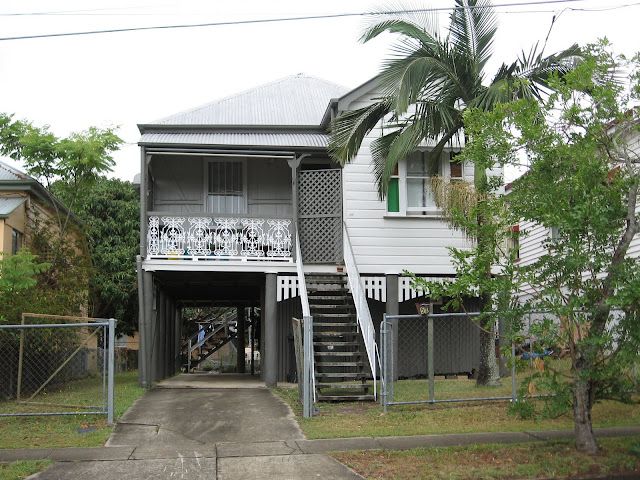
What can I slide?
You’re looking for a house on stumps, preferably weatherboard or chamferboard. These materials can absorb a lot of movement without being damaged. Fibro and blueboard homes can also be moved but are more prone to cracking.
Brick builds are best avoided, as are concrete slabs. Best to look for a home built on a timber platform, so a contractor can get in and under to lift the main body of the house.
Keep in mind a house with a lightweight sheet roof is easier to lift than a roof with terracotta or concrete tiles.
Who are the people I need for the job?
You need an engineer to engineer the stumps and a builder or specialist house mover to do the slide. There are licensed builders who only do slides and have an engineer on their team and for my money, this kind of specialist is best for the job.
You’ll need a plumber and an electrician to disconnect and reconnect services and a surveyor to peg out the new position of the house on your lot.
Some councils won’t allow you to move a house with asbestos, so if your home has asbestos sheeting you might need a licensed asbestos removal company to assess and remove it. Other councils recognise asbestos is only problematic if it breaks, so if a house can be moved safely without risking broken asbestos you may be able to avoid this expense.
Expert tips
Many of us think the easiest option is to demolish. What could be sweeter than reducing a tired house that stands in the way of our grand plans to rubble?
Well, I’m going to suggest that before you bring in the wrecking ball you should consider the option of sliding the existing house into a new position.
Yep, you can pick up an entire house and move it to a new location on your site. It’s a development strategy that could make your deal more profitable.
Why slide?
So why would you want to slide a house?
In our network, it’s usually because we’re subdividing a larger property. We want to keep the existing home and create space to build a new house on the newly created lot.
It costs money to knock a house down – sometimes tens of thousands of dollars. And sure, there are plenty of houses that have seen far better days. But why knock it down if it has substantial intrinsic value? It might cost a bit more to slide it, but you’ve saved yourself money on doing a new build. Regardless of whether you decide to renovate the relocated home, a block of land with a house is often worth more than land alone.
So it’s a case of spending a small amount of money to add a lot of value. And in the process you’re doing the environment a huge favour by recycling rather than demolishing a house. Reusing an existing dwelling can also increase property development profitability.
There are a few other reasons you might decide on a slider:
- To move the house away from the street and create space to build a garage or car port.
- To move the house forward to create space for a larger backyard or pool.
- To save a heritage building from demolition.
- To rotate a house to take advantage of the sun or a view.
- To lift the house up and build a new storey underneath.
- To lift the house up to a height clear of a future flood threat
Where can I slide?
When I talk about sliders, people immediately think of Queensland where lifting up and moving houses is pretty common. It’s also quite common in Perth. A lot of people in NSW and Victoria think it just doesn’t happen on their turf. But in fact you can slide a house in any state provided the house is suitable and there are professional house movers available to do the job.
(When it comes to house relocation, there are more logistics involved including splitting larger homes for safe transport, council bonds and police escorts – more details in a later post.)
Splitter blocks playing host to a structurally sound house are prime targets for house sliding. A splitter block is one lot that already has two titles. What that means is it's pre-approved for council to allow you to separate those two titles onto their own separate individual lots and sell those as individual properties.
Likewise, a block that has the correct size and zoning for subdivision can have potential for a slider. House sliding is commonly used to open up land for subdivision.
What can I slide?
You’re looking for a house on stumps, preferably weatherboard or chamferboard. These materials can absorb a lot of movement without being damaged. Fibro and blueboard homes can also be moved but are more prone to cracking.
Brick builds are best avoided, as are concrete slabs. Best to look for a home built on a timber platform, so a contractor can get in and under to lift the main body of the house.
Keep in mind a house with a lightweight sheet roof is easier to lift than a roof with terracotta or concrete tiles.
Who are the people I need for the job?
You need an engineer to engineer the stumps and a builder or specialist house mover to do the slide. There are licensed builders who only do slides and have an engineer on their team and for my money, this kind of specialist is best for the job.
You’ll need a plumber and an electrician to disconnect and reconnect services and a surveyor to peg out the new position of the house on your lot.
Some councils won’t allow you to move a house with asbestos, so if your home has asbestos sheeting you might need a licensed asbestos removal company to assess and remove it. Other councils recognise asbestos is only problematic if it breaks, so if a house can be moved safely without risking broken asbestos you may be able to avoid this expense.
Expert tips
- If you’re planning on subdividing a block, slide the house BEFORE you subdivide.
- If you’re moving a house to a new location on the same block, council deems it to be the same house. However if you subdivide and then slide the house from one side of the block to the other, it’s deemed to be a brand new build and has to comply with current code. You can get the approval for the subdivision, just don’t execute it until after your slide is complete.
- In NSW and Victoria, specialist house relocation contractors are thin on the ground. If you get stuck, you can probably engage a Queensland team willing to travel.
- If you hire a specialist, the relocation of the house is actually the easy part. What people tend to forget is that when they move a house they have to disconnect and rerun plumbing and power. They may need a new driveway. Maybe the entry stairs no longer fit or established garden beds have been left behind. You have to price all these extras into your feasibility before deciding whether a slide will be profitable.
- In Victoria and NSW it’s common to build an extra storey on top of a single storey house, but it’s also super expensive. Picking up a house and building underneath it can be a much cheaper option. You won’t need to re-engineer walls to withstand added weight.