

It doesn't take much digging to work out that a lot of Development Approvals (called planning permits in some states) languish in the dusty corners of Council offices, never to see the light of day in the form of a built project.
I get it. Heck, one of my favourite sayings is "just because it's developable, doesn't mean it's profitable". And for a lot of budding developers, hugely excited about the sparkly new DA in their hand, it's a major let down to discover going ahead and building the project is going to result in a loss.
Which means that sites with a DA in place regularly turn up on the market. When you're looking for a project, the idea of skipping the time and hassle of the planning part of the process is very tempting.
But is it a good idea to buy a site that's already got a DA?
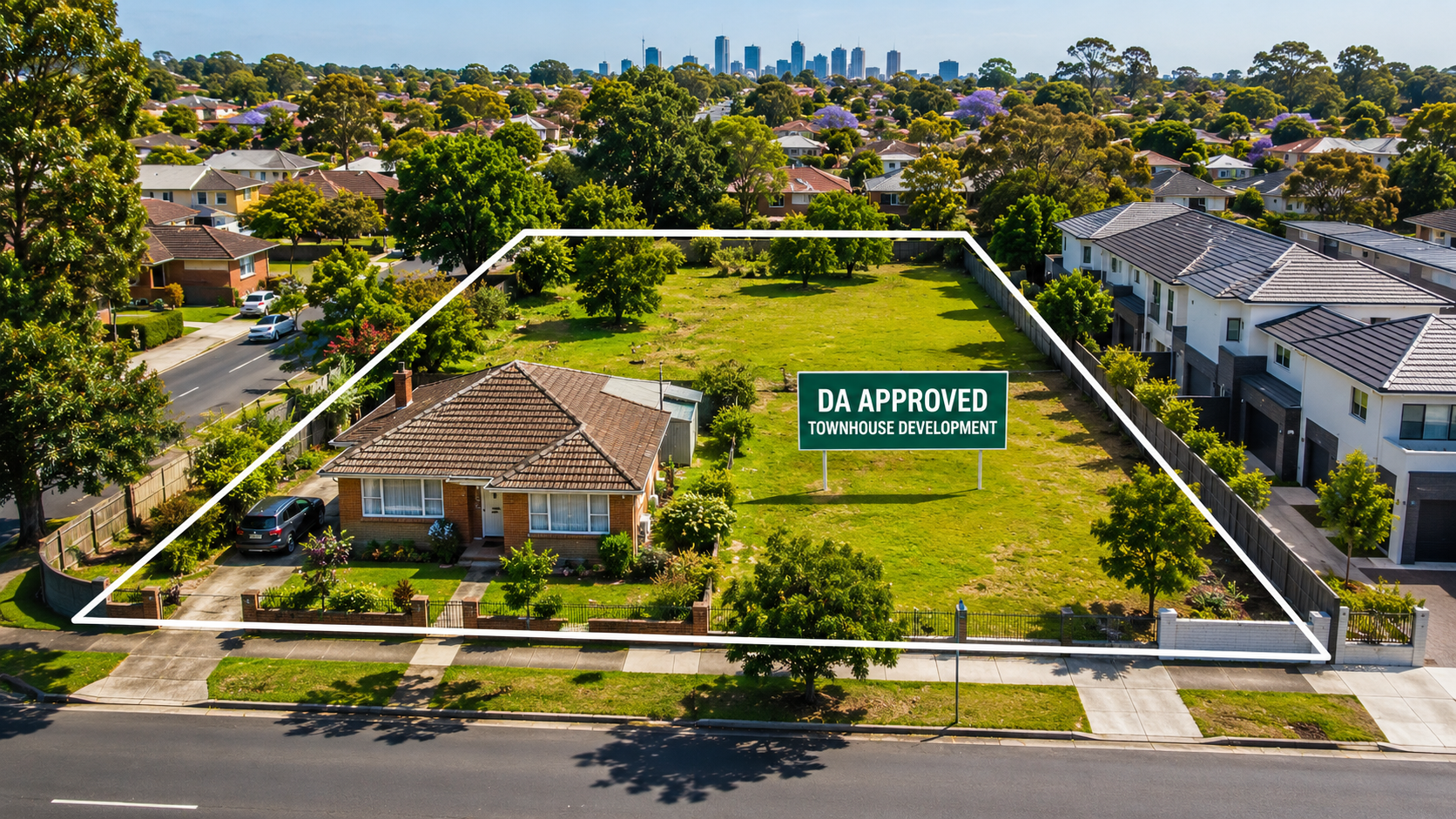 The question is logical. If a property owner has already secured approval for townhouses, units or another development outcome, surely they've increased the value of the site. Doesn't that mean they've already captured most of the profit?
The short answer is no.
In fact, some of the best development opportunities on the market come with existing approvals. The key is understanding why the approved project hasn't been built and whether there is still enough profit remaining for you to make the deal worthwhile.
Generally speaking, there are three reasons why an approved project never gets built.
The Approved Development Is the Wrong Product
Sometimes the development approval itself is the problem. Just because council approves a project doesn't mean the market wants it. The original applicant may have designed a development that doesn't suit local buyers, tenants or demographic trends.
For example, the developer may have secured approval for large townhouses in an area where buyers prefer smaller, more affordable homes. Alternatively, they may have designed premium products in a location where buyers are highly price-sensitive.
The planning approval may be perfectly valid, but if the end product isn't what the market is looking for, selling the site becomes a more attractive option than building it. This is why developers must undertake their own market research rather than relying on the approval as proof of viability.
Questions worth asking include:
An approval only demonstrates that council supports the concept. It does not guarantee market demand.
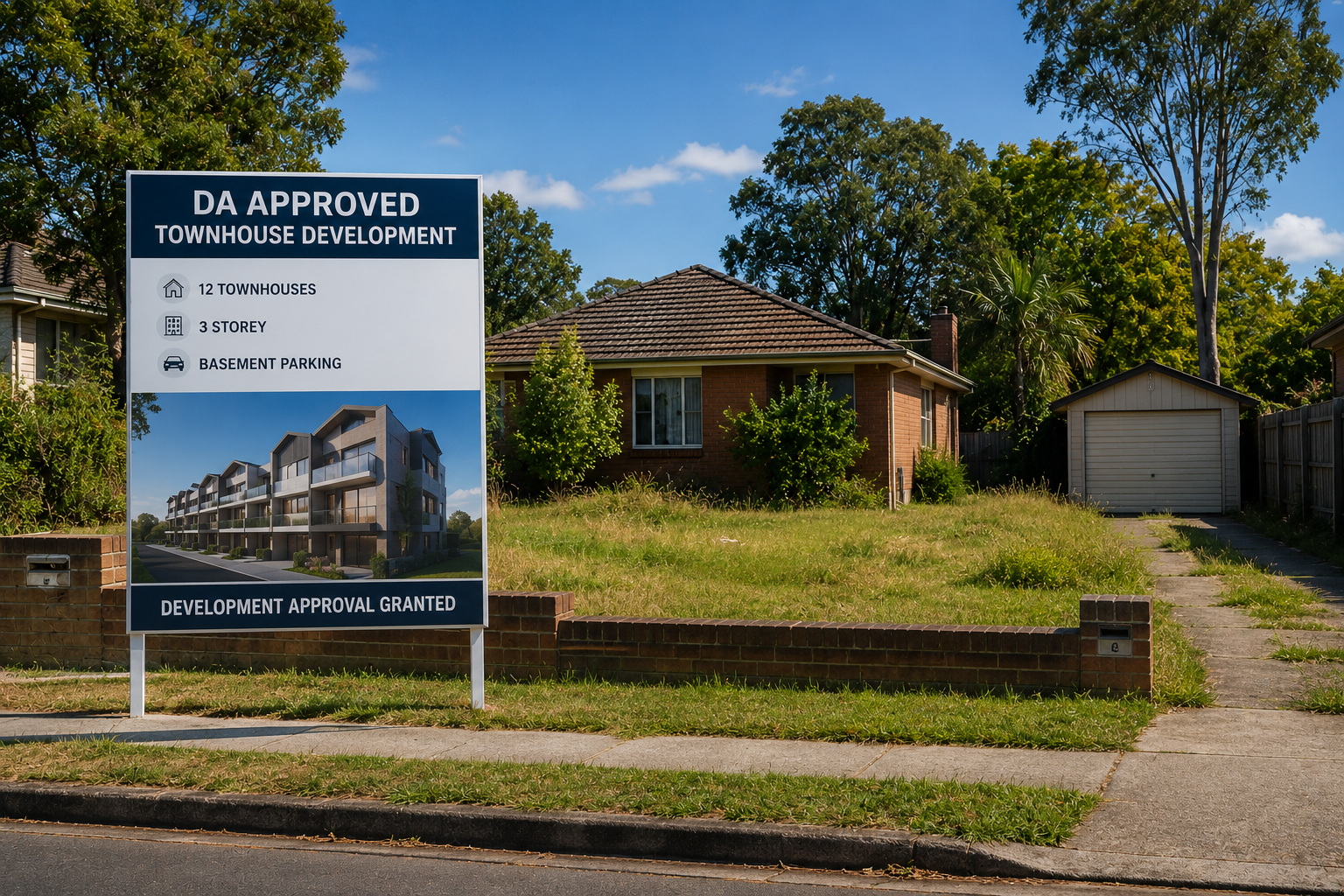 The Original Applicant Can't Execute the Project
The second possibility is that the approval itself is sound, but the person who obtained it doesn't have the resources to complete the project.
Property development requires much more than a planning permit. The original owner may have intended to develop the project themselves but later discovered:
This creates opportunities for experienced developers. If the approval is sound and the market demand exists, acquiring a site from a vendor who cannot execute the project may provide a shortcut through the planning process.
Instead of spending months or years obtaining your own approval, you may be able to acquire a project that's already significantly advanced.
The Deal Was Never Profitable
Sometimes the harsh reality is that the project simply doesn't work. And yes, I'm going to say it again - just because it's developable, doesn't mean it's profitable.
Council's role is to assess whether a proposal complies with planning controls. It is not council's job to determine whether the project makes money.
The numbers may have looked attractive when the DA was originally lodged, but rising construction costs, changing market conditions or unrealistic assumptions can quickly erode profitability.
In other cases, the project was never financially viable to begin with. This is why every DA-approved site still requires a thorough feasibility study. The existence of an approval does not remove the need for proper due diligence.
Has the Vendor Already Captured All the Profit?
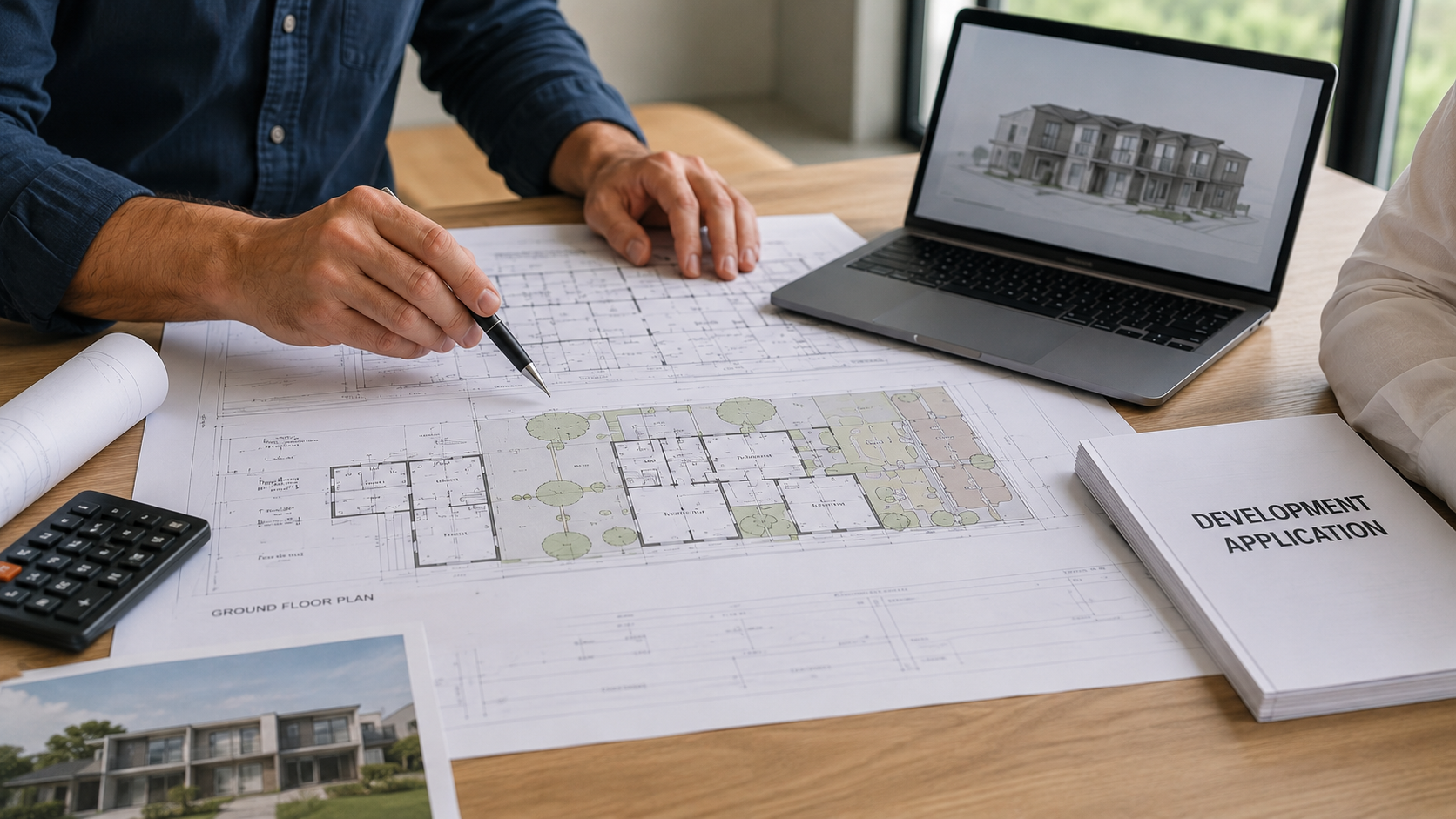 One of the biggest concerns developers have when looking at approved sites is whether the vendor has already priced in all of the upside. After all, obtaining a DA costs both time and money, so it is reasonable to expect that the owner will seek some reward for creating that additional value.
The important question, however, isn't whether the vendor has added value. The important question is whether they have left enough value for you.
There is nothing wrong with a vendor receiving an uplift in price because they have secured a development approval. The deal only becomes a problem when the asking price removes all of the developer's profit margin. If there isn't enough money left in the project for the next developer to make a worthwhile return, the project simply won't proceed.
Let me say that again: If the vendor's asking price removes all of the developer's profit, the deal won't proceed.
It's as simple as that.
Ultimately, developers shouldn't focus on whether a site has an approval or not. They should focus on the numbers.
A detailed feasibility study will tell you far more than the existence of a planning permit ever will. By understanding construction costs, finance costs, consultant fees, holding costs and realistic end values, you can determine whether the site still represents a viable opportunity.
Some DA-approved sites are overpriced and should be avoided. Others represent outstanding opportunities that can save developers significant time, risk and holding costs by bypassing much of the planning process.
The approval itself isn't the deciding factor. The feasibility is.
Every development site must stand on its own merits. If the numbers work after paying the vendor's asking price, the deal may be worth pursuing. If they don't, walk away.
At the end of the day, a DA approved site is only a development opportunity if there is enough profit left in the deal for you to make money as well.
That's why successful developers don't focus on whether a site has a DA approval. They focus on whether the deal stacks up.
I get it. Heck, one of my favourite sayings is "just because it's developable, doesn't mean it's profitable". And for a lot of budding developers, hugely excited about the sparkly new DA in their hand, it's a major let down to discover going ahead and building the project is going to result in a loss.
Which means that sites with a DA in place regularly turn up on the market. When you're looking for a project, the idea of skipping the time and hassle of the planning part of the process is very tempting.
But is it a good idea to buy a site that's already got a DA?
The question is logical. If a property owner has already secured approval for townhouses, units or another development outcome, surely they've increased the value of the site. Doesn't that mean they've already captured most of the profit?The short answer is no.
In fact, some of the best development opportunities on the market come with existing approvals. The key is understanding why the approved project hasn't been built and whether there is still enough profit remaining for you to make the deal worthwhile.
Generally speaking, there are three reasons why an approved project never gets built.
The Approved Development Is the Wrong Product
Sometimes the development approval itself is the problem. Just because council approves a project doesn't mean the market wants it. The original applicant may have designed a development that doesn't suit local buyers, tenants or demographic trends.
For example, the developer may have secured approval for large townhouses in an area where buyers prefer smaller, more affordable homes. Alternatively, they may have designed premium products in a location where buyers are highly price-sensitive.
The planning approval may be perfectly valid, but if the end product isn't what the market is looking for, selling the site becomes a more attractive option than building it. This is why developers must undertake their own market research rather than relying on the approval as proof of viability.
Questions worth asking include:
- Is this the type of product buyers are actively purchasing in the area?
- What competing developments are being built nearby?
- How long are similar properties taking to sell?
- Are there changing demographic trends that affect demand?
An approval only demonstrates that council supports the concept. It does not guarantee market demand.
The Original Applicant Can't Execute the ProjectThe second possibility is that the approval itself is sound, but the person who obtained it doesn't have the resources to complete the project.
Property development requires much more than a planning permit. The original owner may have intended to develop the project themselves but later discovered:
- Construction costs were higher than expected
- Finance was difficult to obtain
- Personal circumstances changed
- They lacked the experience to manage the project
- Their equity position no longer supported the development
This creates opportunities for experienced developers. If the approval is sound and the market demand exists, acquiring a site from a vendor who cannot execute the project may provide a shortcut through the planning process.
Instead of spending months or years obtaining your own approval, you may be able to acquire a project that's already significantly advanced.
The Deal Was Never Profitable
Sometimes the harsh reality is that the project simply doesn't work. And yes, I'm going to say it again - just because it's developable, doesn't mean it's profitable.
Council's role is to assess whether a proposal complies with planning controls. It is not council's job to determine whether the project makes money.
The numbers may have looked attractive when the DA was originally lodged, but rising construction costs, changing market conditions or unrealistic assumptions can quickly erode profitability.
In other cases, the project was never financially viable to begin with. This is why every DA-approved site still requires a thorough feasibility study. The existence of an approval does not remove the need for proper due diligence.
Has the Vendor Already Captured All the Profit?
One of the biggest concerns developers have when looking at approved sites is whether the vendor has already priced in all of the upside. After all, obtaining a DA costs both time and money, so it is reasonable to expect that the owner will seek some reward for creating that additional value.The important question, however, isn't whether the vendor has added value. The important question is whether they have left enough value for you.
There is nothing wrong with a vendor receiving an uplift in price because they have secured a development approval. The deal only becomes a problem when the asking price removes all of the developer's profit margin. If there isn't enough money left in the project for the next developer to make a worthwhile return, the project simply won't proceed.
Let me say that again: If the vendor's asking price removes all of the developer's profit, the deal won't proceed.
It's as simple as that.
Ultimately, developers shouldn't focus on whether a site has an approval or not. They should focus on the numbers.
A detailed feasibility study will tell you far more than the existence of a planning permit ever will. By understanding construction costs, finance costs, consultant fees, holding costs and realistic end values, you can determine whether the site still represents a viable opportunity.
Some DA-approved sites are overpriced and should be avoided. Others represent outstanding opportunities that can save developers significant time, risk and holding costs by bypassing much of the planning process.
The approval itself isn't the deciding factor. The feasibility is.
Every development site must stand on its own merits. If the numbers work after paying the vendor's asking price, the deal may be worth pursuing. If they don't, walk away.
At the end of the day, a DA approved site is only a development opportunity if there is enough profit left in the deal for you to make money as well.
That's why successful developers don't focus on whether a site has a DA approval. They focus on whether the deal stacks up.