
Recently in Property Pulse I reviewed the 4 main reasons why people buy property - capital gain, cashflow, manufactured profit and lifestyle.
"Why is that relevant?" I hear you ask. Good question! It's relevant because the value or potential sales price of a property can vary quite a bit depending on who the buyer is likely to be.
Why? Because each type of buyer has a different way of assessing the value they see in the property.
It all comes down to highest and best use. Each category of buyer has a different idea what that looks like, and so will value the property differently.
Taking the 4 main reasons I identified for buying property, you have 3 types of buyers:
I'm going to start with the homebuyers, because they value properties in the way most of us are familiar with - using comparables.
Homebuyers
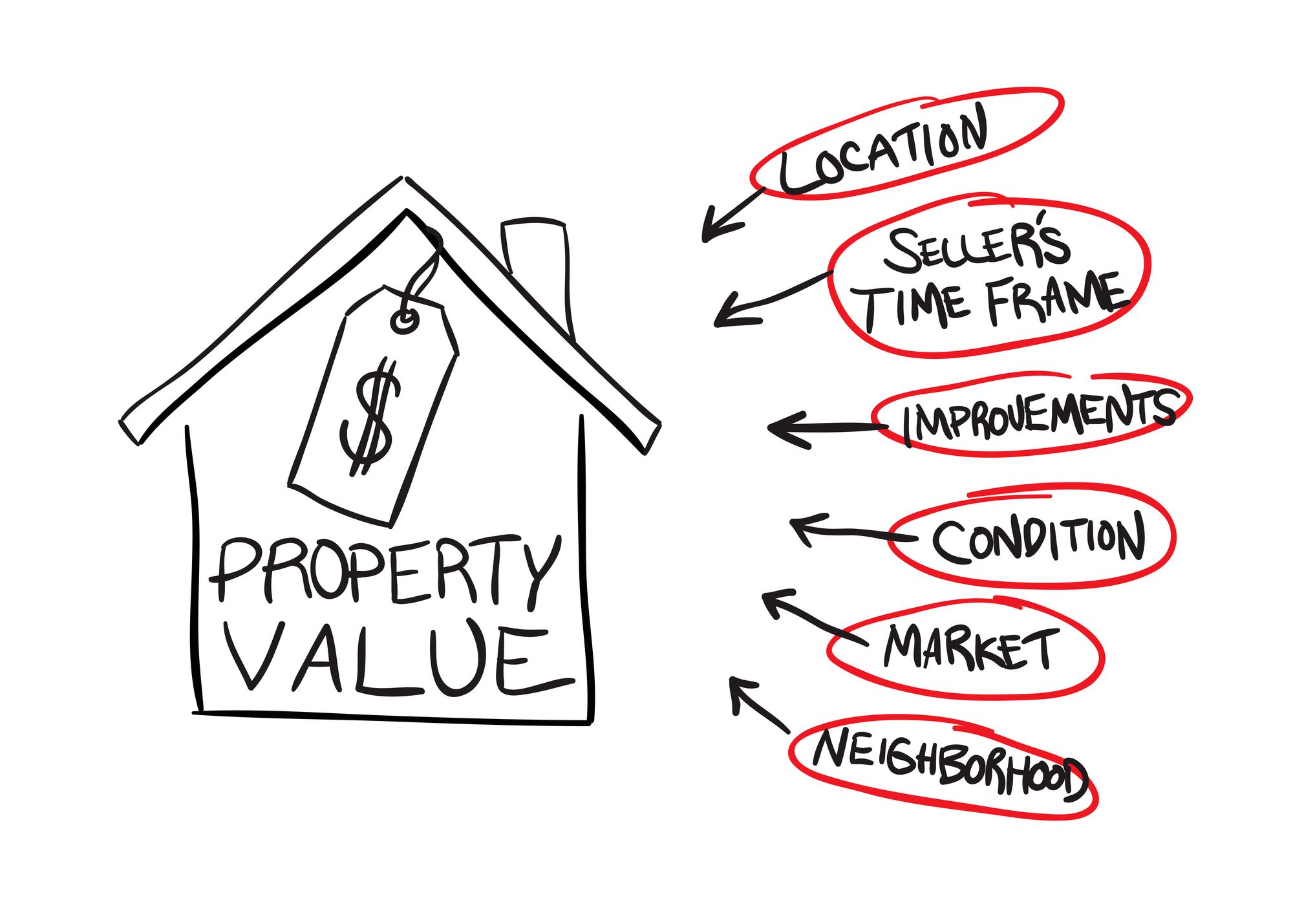 Homebuyers generally pay very little attention to house property prices until they want to buy or sell. They may have some idea of what their own house might sell for, given the amount of marketing they're likely to have received in their letterbox from local agents, talking to neighbours or being doorknocked by agents.
Realistically, though, when it comes time to buy a new home, chances are they're not an area expert. So they'll take a look at all the various listings, maybe even some sold prices, and find houses that are basically like the one they want to buy.
If they don't find something identical (which they often won't), they'll find a couple a little better, a couple a little worse, and settle on a number somewhere in between.
Which all sounds very sensible and logical, and quite similar to the process a professional Valuer follows.
Until auction day. Or until they put in an offer and the agent says there's another buyer with a higher offer. And that's when the wheels fall off the wagon, because often that's the point when emotional value comes into play.
Basically, they love the house. They want it. And they're willing to pay more than they intended to get it. Realistically, they tell themselves, they're going to live there for years, so the little bit extra they pay now will be swallowed up over time.
As a Property Developer, this emotional value is crucial. If you can hook a buyer's emotions, potentially they'll pay a lot more to buy your property.
So the more you can do to make your stock stand out from the crowd, the better. The "Wow" factor can make a huge difference to the final sales price in residential property development.
Investors
Investors as a group incorporate two of the main reasons for buying a property - capital gains and cashflow. With them, it comes down to numbers, but each strategy looks at different numbers.
Having said that, although some investors just buy a property up the road because it's easy and then hope it works, it's more likely they'll have done some basic research or observed trends.
 This is quite similar to the approach in the Property Development Formula. Look for areas with good growth prospects based on forward planning. Take a look at population movement into the area, job prospects, transport, and so on.
An investor will then take that area research and determine whether the results are going to be beneficial to their investment.
For capital gains, the investor needs prices to rise. And at the most basic level, that happens when demand outstrips supply. So if the area has all the pieces in place that will make people want to move into the area, demand is going to go up. Demand goes up, the value of their investment goes up - and there's the capital gains they were looking for.
In terms of cash flow, the property needs tenants. The more tenants who want to rent a property, the higher the rent the investor can charge. So for the cash flow investor, demand means higher cash flow and a better yield. This is why rental demand and population growth are so important for investment property selection.
Property Developers
Often when you're talking to Property Developers they'll use the phrase "the numbers stack up". Or the numbers don't stack up. Either way, they've done the process of assessing value in a property to determine whether or not they can make a profit from the property at the current asking price.
Part of this process involves doing research in a similar way to both homebuyers and investors - getting an idea of comparable price points for the end product, and making sure the property is in an area where growth is happening, to make sure there will be buyers for that product.
With those numbers in mind, the Property Developer will then complete a development feasibility to determine if a project is likely to be profitable.
This can also work the other way, which means starting at the end and doing a reverse feasibility to determine the maximum they can afford to pay for the project. Essentially, they're determining the value the property has to them. If the current "For Sale" price is higher than that, they already know the property isn't going to deliver enough profit.
As a Property Developer, it's often beneficial to do multiple feasibilities to determine the highest and best use for the site. Sometimes it actually works out better financially to build less dwellings, for example, because the local market will pay a premium for larger, good quality dwellings on larger lots, and discounts smaller dwellings.
Building costs for fewer dwellings may also end up being cheaper, which can help with the bottom line of your feasibility. So choosing a different end use can also affect the value a Property Developer sees in a property. This is why highest and best use analysis is such a valuable skill for developers.
The bottom line is that the next time you are trying to determine the value of a property, keep in mind that the value changes depending on who the purchaser or end buyer is likely to be. That can make a lot of difference to your own assessment of value. Property value isn't fixed but often depends on the buyer's goals, emotions and strategy.
"Why is that relevant?" I hear you ask. Good question! It's relevant because the value or potential sales price of a property can vary quite a bit depending on who the buyer is likely to be.
Why? Because each type of buyer has a different way of assessing the value they see in the property.
It all comes down to highest and best use. Each category of buyer has a different idea what that looks like, and so will value the property differently.
Taking the 4 main reasons I identified for buying property, you have 3 types of buyers:
- Investors - seeking capital gains or cashflow
- Developers - seeking opportunities for manufactured growth
- Homebuyers - seeking their "forever" home
I'm going to start with the homebuyers, because they value properties in the way most of us are familiar with - using comparables.
Homebuyers
Homebuyers generally pay very little attention to house property prices until they want to buy or sell. They may have some idea of what their own house might sell for, given the amount of marketing they're likely to have received in their letterbox from local agents, talking to neighbours or being doorknocked by agents.Realistically, though, when it comes time to buy a new home, chances are they're not an area expert. So they'll take a look at all the various listings, maybe even some sold prices, and find houses that are basically like the one they want to buy.
If they don't find something identical (which they often won't), they'll find a couple a little better, a couple a little worse, and settle on a number somewhere in between.
Which all sounds very sensible and logical, and quite similar to the process a professional Valuer follows.
Until auction day. Or until they put in an offer and the agent says there's another buyer with a higher offer. And that's when the wheels fall off the wagon, because often that's the point when emotional value comes into play.
Basically, they love the house. They want it. And they're willing to pay more than they intended to get it. Realistically, they tell themselves, they're going to live there for years, so the little bit extra they pay now will be swallowed up over time.
As a Property Developer, this emotional value is crucial. If you can hook a buyer's emotions, potentially they'll pay a lot more to buy your property.
So the more you can do to make your stock stand out from the crowd, the better. The "Wow" factor can make a huge difference to the final sales price in residential property development.
Investors
Investors as a group incorporate two of the main reasons for buying a property - capital gains and cashflow. With them, it comes down to numbers, but each strategy looks at different numbers.
Having said that, although some investors just buy a property up the road because it's easy and then hope it works, it's more likely they'll have done some basic research or observed trends.
This is quite similar to the approach in the Property Development Formula. Look for areas with good growth prospects based on forward planning. Take a look at population movement into the area, job prospects, transport, and so on.An investor will then take that area research and determine whether the results are going to be beneficial to their investment.
For capital gains, the investor needs prices to rise. And at the most basic level, that happens when demand outstrips supply. So if the area has all the pieces in place that will make people want to move into the area, demand is going to go up. Demand goes up, the value of their investment goes up - and there's the capital gains they were looking for.
In terms of cash flow, the property needs tenants. The more tenants who want to rent a property, the higher the rent the investor can charge. So for the cash flow investor, demand means higher cash flow and a better yield. This is why rental demand and population growth are so important for investment property selection.
Property Developers
Often when you're talking to Property Developers they'll use the phrase "the numbers stack up". Or the numbers don't stack up. Either way, they've done the process of assessing value in a property to determine whether or not they can make a profit from the property at the current asking price.
Part of this process involves doing research in a similar way to both homebuyers and investors - getting an idea of comparable price points for the end product, and making sure the property is in an area where growth is happening, to make sure there will be buyers for that product.
With those numbers in mind, the Property Developer will then complete a development feasibility to determine if a project is likely to be profitable.
This can also work the other way, which means starting at the end and doing a reverse feasibility to determine the maximum they can afford to pay for the project. Essentially, they're determining the value the property has to them. If the current "For Sale" price is higher than that, they already know the property isn't going to deliver enough profit.
As a Property Developer, it's often beneficial to do multiple feasibilities to determine the highest and best use for the site. Sometimes it actually works out better financially to build less dwellings, for example, because the local market will pay a premium for larger, good quality dwellings on larger lots, and discounts smaller dwellings.
Building costs for fewer dwellings may also end up being cheaper, which can help with the bottom line of your feasibility. So choosing a different end use can also affect the value a Property Developer sees in a property. This is why highest and best use analysis is such a valuable skill for developers.
The bottom line is that the next time you are trying to determine the value of a property, keep in mind that the value changes depending on who the purchaser or end buyer is likely to be. That can make a lot of difference to your own assessment of value. Property value isn't fixed but often depends on the buyer's goals, emotions and strategy.