

I'm hoping the title of this article made you raise your eyebrows and say "what the heck is Rob talking about?" out loud. Mostly because it sounds a bit crazy - if you're unhappy then you're unhappy, right? How can you be happy at the same time??
While the concept of negotiating to be "happily unhappy" might seem paradoxical, it can in fact be a valid and effective approach in a negotiating situation. Essentially, it means you're aiming to reach an agreement that, while it may not fully satisfy all your desired outcomes, still leaves you with a result you're happy to live with.
How do you achieve this blissful state of feeling two opposing things at the same time? I'm glad you asked!
Prioritise Your Must-Haves
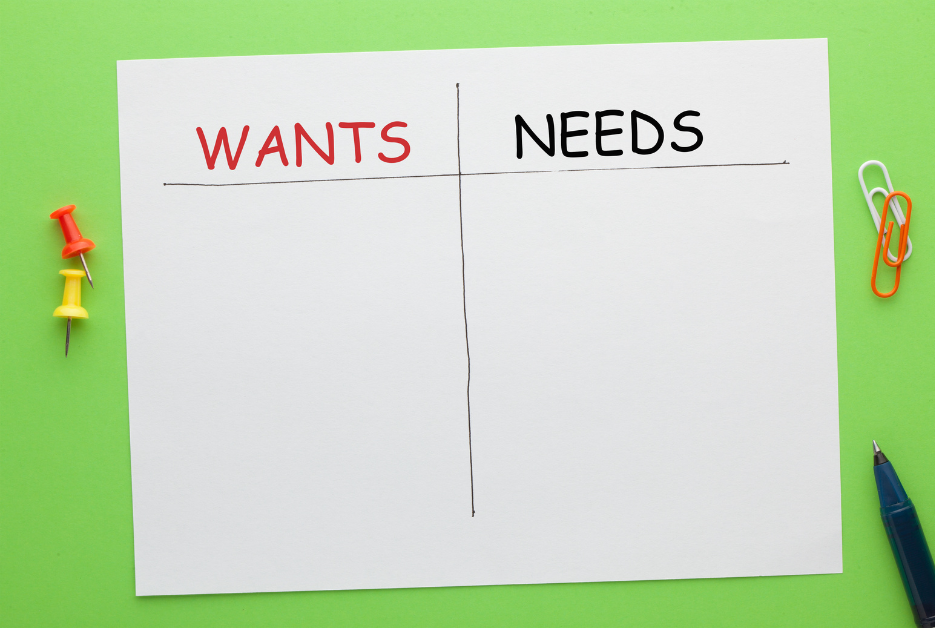 Going into the negotiation, identify your core needs or non-negotiables. These are the things you absolutely must achieve in the negotiation. These are the elements that, if missing from the final agreement, would leave you genuinely unhappy, or in fact make it impossible for you to do the project at all.
I say this a lot when I talk about negotiating with vendors. Find out what they NEED, not just what they WANT. They're two very different things! And the same goes for you too. You might want to delay settlement for 12 months, but in reality you only need 3 months.
Once you know your fixed, non-negotiable points, you then move into...
Identify Areas of Flexibility
Recognize the aspects of the negotiation where you can afford to make concessions without sacrificing your core needs or values. These issues are of lower importance to you in the final outcome.
I've already touched on this in the example above - you can be flexible with the length of a delayed settlement period. Let's take a look at how this idea of must-haves versus flexible items plays out in real life.
One of my favourite techniques is to put two offers to the vendor. In summary, the two choices are "my price, their terms" or "their price, my terms". Understanding why a vendor chooses one option over another is important, because it tells you where their area of flexibility falls.
If they choose the first, it's because terms are important. Maybe they've bought another property, and a "must-have" for them is to complete the sale in 3 months maximum. As a result, price is an area of flexibility if it gets them the terms they need.
If they choose the second, then chances are they have a number in their head and that's their must-have. Sometimes that's because they need a certain amount of money, perhaps to pay off the mortgage or secure a new place to live. Or they could just be stubborn and want a certain number! Either way, they're likely to be flexible around terms in order to get that number.
Maintain a Positive Relationship
Throughout the negotiation process, focus on maintaining a positive and respectful relationship with the other party. Building rapport and goodwill can make it easier to find mutually acceptable solutions.
Look, I get it. Sometimes you're negotiating with someone who's being a right pain in the rear end, and basically wants everything to be in their favour. Or just when you think everything is sorted, they change their mind and it all falls over.
Sometimes the best you can do is be willing to walk away, with a view to negotiating again another day if things change, rather than blowing up at them for being so unreasonable. I've had deals take years to work through the negotiation phase. I always keep the door open in case another attempt is possible.
No matter the result, if you’ve behaved in a respectful and positive manner throughout the negotiation, you can be happy with yourself for doing so.
Manage Expectations
In your negotiations, the aim is to strike a balance between your core needs and areas where you can compromise. You want to ensure you achieve your key objectives while being open to accommodating the other party's interests to some extent.
This involves managing expectations on both sides of the negotiation. The goal isn't to win - it's to reach a point where both parties are okay with the result. No outcome is perfect for both parties, otherwise why would you be negotiating? If the vendor is being unrealistic, explain to them why that's the case. With further information, you have a better chance of them adjusting their expectations around what can reasonably be achieved through negotiation.
Consider the Long-Term Perspective
Think about the long-term implications of the agreement. Sometimes, accepting certain concessions in the short term can lead to better opportunities or relationships down the road.
Also, if certain aspects of the agreement leave you "unhappy," consider negotiating for the possibility of revisiting those issues or making improvements in the future. That may even work out better for you in the long run if market conditions change in your favour.
Communication Is Key
Ensure that both parties have a clear understanding of each other's priorities, constraints, and expectations. Open and honest communication can help avoid misunderstandings. It can also make it easier to find things you have in common and can agree about, rather than just focusing on the differences.
As the negotiation progresses, be willing to adapt your approach and expectations. Sometimes, new information or unexpected factors may require you to adjust your stance. Keeping the lines of communication open and positive is key, and allows either party to adjust their position without feeling they've moved into a losing position.
In summary, the key to being "happily unhappy" in a negotiation is finding a balance between achieving your essential goals and maintaining a positive, collaborative atmosphere. It's about recognizing that perfection is rarely attainable in negotiations but that a satisfactory and mutually beneficial outcome is achievable.
As I said - you can be happily unhappy.
While the concept of negotiating to be "happily unhappy" might seem paradoxical, it can in fact be a valid and effective approach in a negotiating situation. Essentially, it means you're aiming to reach an agreement that, while it may not fully satisfy all your desired outcomes, still leaves you with a result you're happy to live with.
How do you achieve this blissful state of feeling two opposing things at the same time? I'm glad you asked!
Prioritise Your Must-Haves
Going into the negotiation, identify your core needs or non-negotiables. These are the things you absolutely must achieve in the negotiation. These are the elements that, if missing from the final agreement, would leave you genuinely unhappy, or in fact make it impossible for you to do the project at all.I say this a lot when I talk about negotiating with vendors. Find out what they NEED, not just what they WANT. They're two very different things! And the same goes for you too. You might want to delay settlement for 12 months, but in reality you only need 3 months.
Once you know your fixed, non-negotiable points, you then move into...
Identify Areas of Flexibility
Recognize the aspects of the negotiation where you can afford to make concessions without sacrificing your core needs or values. These issues are of lower importance to you in the final outcome.
I've already touched on this in the example above - you can be flexible with the length of a delayed settlement period. Let's take a look at how this idea of must-haves versus flexible items plays out in real life.
One of my favourite techniques is to put two offers to the vendor. In summary, the two choices are "my price, their terms" or "their price, my terms". Understanding why a vendor chooses one option over another is important, because it tells you where their area of flexibility falls.
If they choose the first, it's because terms are important. Maybe they've bought another property, and a "must-have" for them is to complete the sale in 3 months maximum. As a result, price is an area of flexibility if it gets them the terms they need.
If they choose the second, then chances are they have a number in their head and that's their must-have. Sometimes that's because they need a certain amount of money, perhaps to pay off the mortgage or secure a new place to live. Or they could just be stubborn and want a certain number! Either way, they're likely to be flexible around terms in order to get that number.
Maintain a Positive Relationship
Throughout the negotiation process, focus on maintaining a positive and respectful relationship with the other party. Building rapport and goodwill can make it easier to find mutually acceptable solutions.
Look, I get it. Sometimes you're negotiating with someone who's being a right pain in the rear end, and basically wants everything to be in their favour. Or just when you think everything is sorted, they change their mind and it all falls over.
Sometimes the best you can do is be willing to walk away, with a view to negotiating again another day if things change, rather than blowing up at them for being so unreasonable. I've had deals take years to work through the negotiation phase. I always keep the door open in case another attempt is possible.
No matter the result, if you’ve behaved in a
respectful and positive manner throughout the negotiation, you can be happy with yourself for doing so.Manage Expectations
In your negotiations, the aim is to strike a balance between your core needs and areas where you can compromise. You want to ensure you achieve your key objectives while being open to accommodating the other party's interests to some extent.
This involves managing expectations on both sides of the negotiation. The goal isn't to win - it's to reach a point where both parties are okay with the result. No outcome is perfect for both parties, otherwise why would you be negotiating? If the vendor is being unrealistic, explain to them why that's the case. With further information, you have a better chance of them adjusting their expectations around what can reasonably be achieved through negotiation.
Consider the Long-Term Perspective
Think about the long-term implications of the agreement. Sometimes, accepting certain concessions in the short term can lead to better opportunities or relationships down the road.
Also, if certain aspects of the agreement leave you "unhappy," consider negotiating for the possibility of revisiting those issues or making improvements in the future. That may even work out better for you in the long run if market conditions change in your favour.
Communication Is Key
Ensure that both parties have a clear understanding of each other's priorities, constraints, and expectations. Open and honest communication can help avoid misunderstandings. It can also make it easier to find things you have in common and can agree about, rather than just focusing on the differences.
As the negotiation progresses, be willing to adapt your approach and expectations. Sometimes, new information or unexpected factors may require you to adjust your stance. Keeping the lines of communication open and positive is key, and allows either party to adjust their position without feeling they've moved into a losing position.
In summary, the key to being "happily unhappy" in a negotiation is finding a balance between achieving your essential goals and maintaining a positive, collaborative atmosphere. It's about recognizing that perfection is rarely attainable in negotiations but that a satisfactory and mutually beneficial outcome is achievable.
As I said - you can be happily unhappy.