

Negotiating with builders is fun! Say it with me!
“This is just our contract.”
“Our lawyer drafted it.”
“We use this with everyone.”
Most developers assume residential building contracts are standard documents that can’t really be negotiated. Builders reinforce that idea too.
And up to a point, that’s true. But “standard” doesn’t always mean “fair,” and it certainly doesn’t mean every clause is locked in stone. Let's take a look at this from a property developer's perspective.
The reality is that experienced developers regularly negotiate amendments to residential building contracts. The key question isn’t whether changes are possible. It’s whether you approach the negotiation in a way that makes the builder willing to work with you.
Because like every relationship in property development, the outcome usually depends on the approach.
The first step is the builder sends through a lengthy agreement, usually packed with legal terminology and industry jargon, and the expectation is that you simply sign where indicated and move on.
But many clauses within a residential building contract can be negotiated if the conversation is handled properly. A lot of developers make the mistake of treating contract negotiations like a fight.
They go in looking for leverage, trying to “win” every clause, and treating the builder like an opponent instead of a project partner. That approach rarely ends well.
The builder will usually become defensive very quickly. In some cases, they may refuse amendments altogether. In others, they may quietly increase pricing to compensate for what they perceive as additional risk or future conflict.
On the other hand, developers who approach the process collaboratively often find builders are far more open to reasonable changes.
Most builders understand that experienced developers need certainty around timelines, costs, delays, and responsibilities. In fact, good builders often appreciate clients who take the time to properly understand their residential builder agreements rather than blindly signing documents they haven’t reviewed.
The goal shouldn’t be to create a one-sided contract. A good construction contract negotiation creates clarity for both parties and establishes expectations before problems arise.
Bottom line - when handled correctly, negotiating building contracts can help reduce risk, improve project timelines, and protect profitability. When handled poorly, it can damage the relationship before construction has even started.
What Can (and should!) You Negotiate?
Standard residential building contracts are drafted heavily in favour of the builder. That doesn’t necessarily mean the builder is acting unfairly. It’s often simply the result of industry association templates or legal teams trying to minimise builder exposure wherever possible.
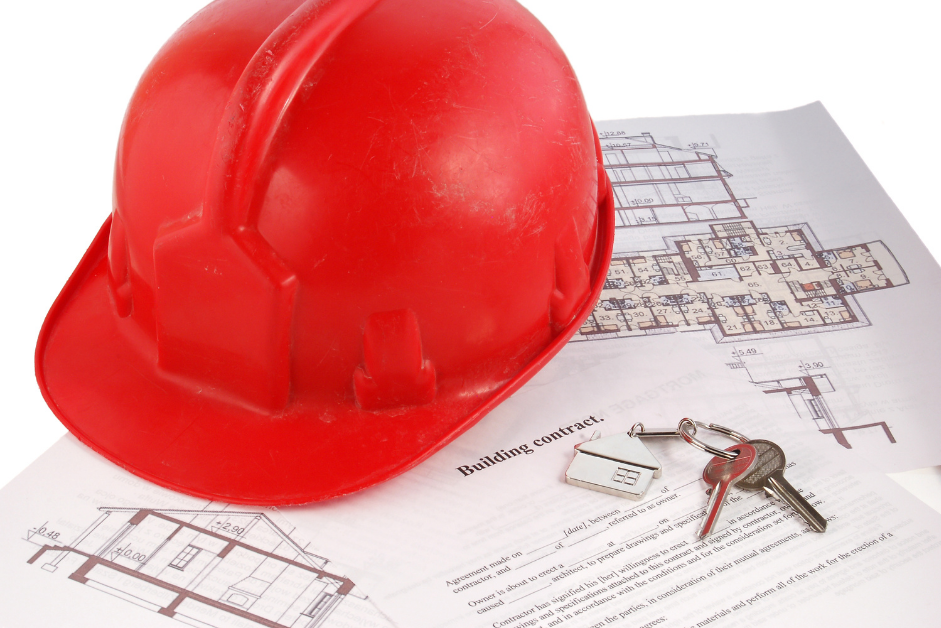 However, from a property developer’s perspective, some of these clauses can create serious financial consequences if they aren’t properly understood or negotiated upfront. Some clauses are intentionally vague. Others are written broadly enough that they give the builder significant discretion if something goes wrong.
On top of that, every extra month of construction can increase interest costs, council rates, insurance premiums, and opportunity costs for the developer. For developers operating on tight margins, those delays can significantly impact overall profitability.
That’s why understanding the risks hidden within a residential building contract is so important.
The “Start Date” Trap
One of the most misunderstood clauses in residential building contracts is the definition of the start date. Most developers assume construction starts when the builder begins work onsite. Unfortunately, that’s not always how the contract defines it.
Some contracts contain extremely complex definitions around what constitutes an official commencement date. The wording may include permits, documentation, approvals, site conditions, or various procedural requirements that must be satisfied before the contractual clock actually starts ticking.
So while the builder may already be onsite doing work, the contractual build period may not have technically commenced. From a developer’s perspective, this can become extremely dangerous.
If the project experiences delays later, the builder may argue they are still within the agreed construction timeframe because the official commencement date occurred much later than the developer expected.
And if you can’t prove the project is late, liquidated damages clauses become almost impossible to enforce. This is why developers should pay close attention to how commencement is defined in the contract. A clearer, simpler definition can eliminate enormous disputes later.
Liquidated Damages
Liquidated damages clauses are designed to compensate developers if the builder exceeds the agreed construction timeframe.
In theory, they sound straightforward. In practice, they are one of the most heavily negotiated aspects of a residential building contract.
Builders typically hate these clauses because they view them as punitive. As a result, many contracts either contain extremely small liquidated damages amounts or figures so low they’re practically meaningless compared to the actual holding costs a developer faces.
From the property developer's perspective, delays are expensive. Holding costs continue whether the project is complete or not. Interest accrues. Sales settlements may be delayed. Leasing income can be postponed. Additional consultant costs may arise. Even relatively small time overruns can materially affect project feasibility.
But developers also need to be realistic. If you simply demand massive penalty rates without context, most builders will push back immediately.
A smarter approach is to structure the clause as both a carrot and a stick.
For example, the contract may include:
This changes the tone of the negotiation significantly. Instead of the clause feeling like punishment, it becomes a shared incentive structure.
Builders are far more likely to engage constructively when they can see upside as well as downside.
 Inclement Weather
Another area developers frequently overlook during construction contract negotiation is the inclement weather clause.
Most residential building contracts allow builders to claim extensions of time due to bad weather. That’s perfectly reasonable in principle because certain stages of construction are heavily impacted by rain and site conditions.
The problem is many contracts define inclement weather far too broadly.
For example, a small amount of rainfall during excavation or slab preparation may genuinely prevent work from continuing safely. But three millimetres of rain when the roof is already on is a completely different scenario.
Yet some contracts treat all rain events equally regardless of the construction stage.
Developers should aim to negotiate more detailed definitions around inclement weather delays. For example:
This creates a much fairer framework for both parties.
The Best Time to Negotiate Is Before Problems Exist
One of the smartest things developers can do is discuss expectations early, before the contract is formally issued. By the time the agreement arrives, both parties are often emotionally committed to the deal. That’s when negotiations can become tense if unexpected amendments suddenly appear.
The better strategy is to discuss key principles early.
If those conversations happen upfront, the actual contract negotiation becomes far smoother because neither side feels blindsided.
This is particularly important for developers looking to establish long-term builder relationships rather than simply delivering a one-off project.
Understanding construction contracts is just one part of becoming a successful developer. The developers who consistently deliver profitable projects are the ones who understand risk, feasibility, negotiation, finance, and project management from day one.
That’s exactly why we created the Property Development Formula course, to help everyday Australians understand how to assess sites, structure deals, manage risk, and avoid costly mistakes throughout the development process.
Always remember - a building contract shouldn’t be about one party winning and the other losing. The best projects happen when both the developer and builder feel like the agreement is fair, transparent, and commercially workable.
Because ultimately, property development is a partnership — and the contract should reflect that.
“This is just our contract.”
“Our lawyer drafted it.”
“We use this with everyone.”
Most developers assume residential building contracts are standard documents that can’t really be negotiated. Builders reinforce that idea too.
And up to a point, that’s true. But “standard” doesn’t always mean “fair,” and it certainly doesn’t mean every clause is locked in stone. Let's take a look at this from a property developer's perspective.
The reality is that experienced developers regularly negotiate amendments to residential building contracts. The key question isn’t whether changes are possible. It’s whether you approach the negotiation in a way that makes the builder willing to work with you.
Because like every relationship in property development, the outcome usually depends on the approach.
The first step is the builder sends through a lengthy agreement, usually packed with legal terminology and industry jargon, and the expectation is that you simply sign where indicated and move on.
But many clauses within a residential building contract can be negotiated if the conversation is handled properly. A lot of developers make the mistake of treating contract negotiations like a fight.
They go in looking for leverage, trying to “win” every clause, and treating the builder like an opponent instead of a project partner. That approach rarely ends well.
The builder will usually become defensive very quickly. In some cases, they may refuse amendments altogether. In others, they may quietly increase pricing to compensate for what they perceive as additional risk or future conflict.
On the other hand, developers who approach the process collaboratively often find builders are far more open to reasonable changes.
Most builders understand that experienced developers need certainty around timelines, costs, delays, and responsibilities. In fact, good builders often appreciate clients who take the time to properly understand their residential builder agreements rather than blindly signing documents they haven’t reviewed.
The goal shouldn’t be to create a one-sided contract. A good construction contract negotiation creates clarity for both parties and establishes expectations before problems arise.
Bottom line - when handled correctly, negotiating building contracts can help reduce risk, improve project timelines, and protect profitability. When handled poorly, it can damage the relationship before construction has even started.
What Can (and should!) You Negotiate?
Standard residential building contracts are drafted heavily in favour of the builder. That doesn’t necessarily mean the builder is acting unfairly. It’s often simply the result of industry association templates or legal teams trying to minimise builder exposure wherever possible.
However, from a property developer’s perspective, some of these clauses can create serious financial consequences if they aren’t properly understood or negotiated upfront. Some clauses are intentionally vague. Others are written broadly enough that they give the builder significant discretion if something goes wrong.On top of that, every extra month of construction can increase interest costs, council rates, insurance premiums, and opportunity costs for the developer. For developers operating on tight margins, those delays can significantly impact overall profitability.
That’s why understanding the risks hidden within a residential building contract is so important.
The “Start Date” Trap
One of the most misunderstood clauses in residential building contracts is the definition of the start date. Most developers assume construction starts when the builder begins work onsite. Unfortunately, that’s not always how the contract defines it.
Some contracts contain extremely complex definitions around what constitutes an official commencement date. The wording may include permits, documentation, approvals, site conditions, or various procedural requirements that must be satisfied before the contractual clock actually starts ticking.
So while the builder may already be onsite doing work, the contractual build period may not have technically commenced. From a developer’s perspective, this can become extremely dangerous.
If the project experiences delays later, the builder may argue they are still within the agreed construction timeframe because the official commencement date occurred much later than the developer expected.
And if you can’t prove the project is late, liquidated damages clauses become almost impossible to enforce. This is why developers should pay close attention to how commencement is defined in the contract. A clearer, simpler definition can eliminate enormous disputes later.
Liquidated Damages
Liquidated damages clauses are designed to compensate developers if the builder exceeds the agreed construction timeframe.
In theory, they sound straightforward. In practice, they are one of the most heavily negotiated aspects of a residential building contract.
Builders typically hate these clauses because they view them as punitive. As a result, many contracts either contain extremely small liquidated damages amounts or figures so low they’re practically meaningless compared to the actual holding costs a developer faces.
From the property developer's perspective, delays are expensive. Holding costs continue whether the project is complete or not. Interest accrues. Sales settlements may be delayed. Leasing income can be postponed. Additional consultant costs may arise. Even relatively small time overruns can materially affect project feasibility.
But developers also need to be realistic. If you simply demand massive penalty rates without context, most builders will push back immediately.
A smarter approach is to structure the clause as both a carrot and a stick.
For example, the contract may include:
- A fair liquidated damages amount if the project runs late
- A bonus incentive if the builder finishes ahead of schedule
This changes the tone of the negotiation significantly. Instead of the clause feeling like punishment, it becomes a shared incentive structure.
Builders are far more likely to engage constructively when they can see upside as well as downside.
Inclement WeatherAnother area developers frequently overlook during construction contract negotiation is the inclement weather clause.
Most residential building contracts allow builders to claim extensions of time due to bad weather. That’s perfectly reasonable in principle because certain stages of construction are heavily impacted by rain and site conditions.
The problem is many contracts define inclement weather far too broadly.
For example, a small amount of rainfall during excavation or slab preparation may genuinely prevent work from continuing safely. But three millimetres of rain when the roof is already on is a completely different scenario.
Yet some contracts treat all rain events equally regardless of the construction stage.
Developers should aim to negotiate more detailed definitions around inclement weather delays. For example:
- Different rainfall thresholds depending on the construction stage
- Clear evidence requirements for delay claims
- Maximum allowable extension periods
- Requirements to mitigate delays where possible
This creates a much fairer framework for both parties.
The Best Time to Negotiate Is Before Problems Exist
One of the smartest things developers can do is discuss expectations early, before the contract is formally issued. By the time the agreement arrives, both parties are often emotionally committed to the deal. That’s when negotiations can become tense if unexpected amendments suddenly appear.
The better strategy is to discuss key principles early.
- Talk about timelines.
- Talk about communication expectations.
- Talk about variations.
- Talk about delays.
- Talk about how disputes will be handled.
If those conversations happen upfront, the actual contract negotiation becomes far smoother because neither side feels blindsided.
This is particularly important for developers looking to establish long-term builder relationships rather than simply delivering a one-off project.
Understanding construction contracts is just one part of becoming a successful developer. The developers who consistently deliver profitable projects are the ones who understand risk, feasibility, negotiation, finance, and project management from day one.
That’s exactly why we created the Property Development Formula course, to help everyday Australians understand how to assess sites, structure deals, manage risk, and avoid costly mistakes throughout the development process.
Always remember - a building contract shouldn’t be about one party winning and the other losing. The best projects happen when both the developer and builder feel like the agreement is fair, transparent, and commercially workable.
Because ultimately, property development is a partnership — and the contract should reflect that.