

When you build, renovate, extend, or undertake any kind of development, stormwater is often one of the least glamorous but most important considerations. It doesn’t care about fences, titles, or who owns what. It goes wherever gravity takes it unless properly managed.
That’s why Councils require a Legal Point of Discharge (LPOD): a formally recognised location where stormwater from your property can safely and legally leave the site. Understanding the legal point of discharge is critical for feasibility studies, cost planning, engineering design, and project risk management.
Let's take a deep dive into the lingo surrounding LPOD. And yes, I am mostly going to use LPOD throughout the article to save me all that extra typing!
What Is a Legal Point of Discharge?
As I already touched on, the LPOD is the official location where stormwater from your property can be released into a council-controlled drainage system.
This could include:
It is NOT simply where water already flows, nor is it a neighbour’s yard, the street footpath, or a makeshift pipe. The LPOD is legally sanctioned and ensures that stormwater is discharged without causing nuisance, flooding, erosion, or property damage.
Why the LPOD Matters
First up, it's a legal requirement. You cannot direct stormwater wherever you feel is practical or convenient. Councils enforce this to prevent disputes, damage, and unsafe conditions.
The LPOD also directly influences the cost of your project. Some connections are relatively simple and inexpensive, such as penetrating the kerb in front of the property. Others, however, can involve trenching through public land, constructing pits, installing new pipes, negotiating access to easements, or in more complex cases, installing stormwater pumps. The location of the LPOD can therefore dictate whether a drainage design costs a few thousand dollars or tens of thousands.
It also shapes the engineering design, as your site’s stormwater drainage plan, roof drainage, downpipes, onsite detention, and grading all depend on where the water ultimately goes. And if the LPOD requires works within council land or easements, approval can take weeks or months.
I'm not kidding when I say the LPOD can be the difference between a feasible project and an expensive one. Understanding it early can prevent costly surprises.
How Councils Determine the Legal Point of Discharge
 Councils follow a structured decision-making process based on engineering principles, public safety, and existing infrastructure. They begin by reviewing the existing drainage infrastructure surrounding the property. If there is a Council stormwater pipe or pit nearby, this often becomes the natural candidate. However, availability alone is not enough. Councils must also confirm whether that pipe has sufficient capacity to accept additional flows. If it doesn’t, you may be required to install upgrades or extend the network.
Topography also plays a major role. Stormwater relies on gravity, so the Council assesses which direction the land naturally falls. If the site falls towards the street, great. If the site falls to the rear, you may be directed to a rear easement or require pumping. Where no suitable gravity-based solution exists, pumping may be the only option.
Neighbouring impacts are another key consideration. Councils ensure that stormwater discharge will not burden adjoining properties or concentrate flow in a way that creates new drainage problems. In some cases, even if a pipe is technically located on neighbouring land, you may not be able to connect to it unless formal access or an easement is arranged.
When You Need an LPOD Certificate
In most jurisdictions, particularly in Victoria, an LPOD certificate may be required:
The certificate details:
Obtaining this early is crucial for accurate cost forecasting.
Common Types of Legal Points of Discharge
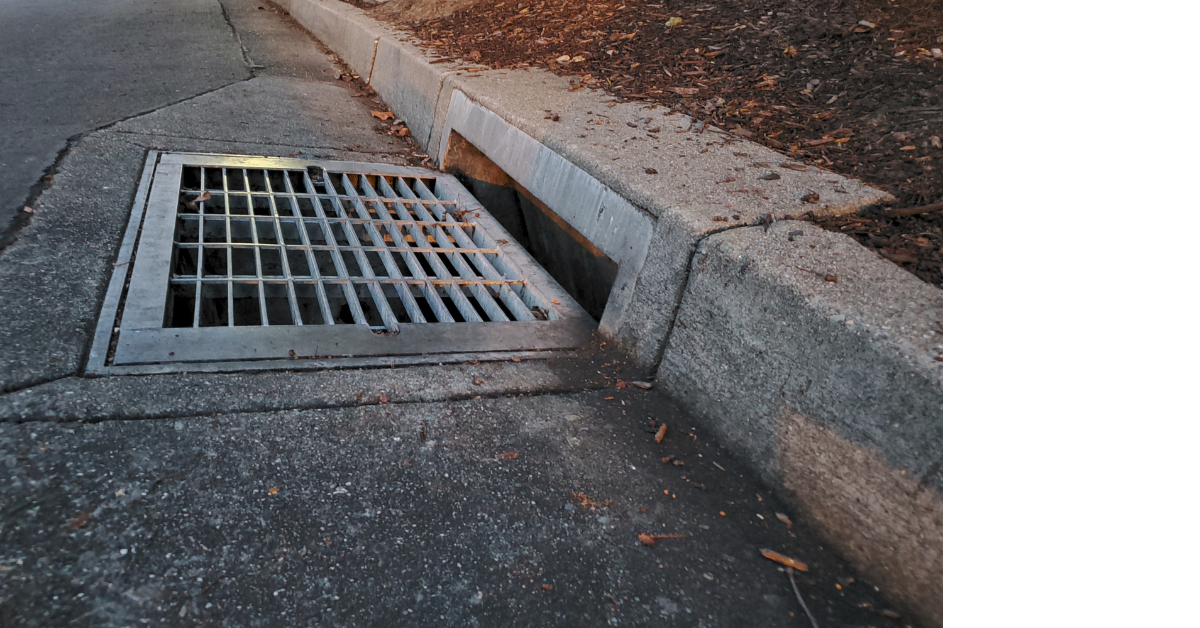 The simplest and most common LPOD is a kerb and channel connection, where a neatly drilled hole allows stormwater to discharge directly into the street gutter. This is typical for single dwellings and small renovations. Another frequent option is connecting into an existing pit or pipe on the nature strip or road reserve, particularly in established suburbs.
Properties with rear drainage easements may discharge into a pipe running behind the block. These easements were created specifically for this purpose, but the age and capacity of the pipe must still be checked. In multi-dwelling developments, the council may require you to construct a new shared drainage system within the site that ultimately connects to one approved LPOD.
In situations where gravity is not sufficient, such as on low-lying blocks or sites that fall away from council infrastructure, a pumped system may be required. Pumps add cost and ongoing maintenance obligations, but sometimes they are the only viable solution.
Challenges and Complications
Keep in mind that not all sites have easy or affordable stormwater solutions. In older areas or regional locations, there may be limited or no council drainage infrastructure nearby. In such cases, you may be required to construct new pipes or pits at your own expense.
A pipe might exist in theory but be found to be shallow, undersized, or in poor condition, creating additional engineering challenges.
Multi-unit developments also introduce more complexity. The larger roof areas and increased runoff volumes may require onsite detention systems or advanced water-sensitive urban design elements. Councils scrutinise these designs closely to ensure the public system is not overwhelmed.
Cost Implications
Stormwater works associated with the LPOD can vary enormously in cost. Straightforward kerb connections may be only a few thousand dollars. More complex scenarios, such as constructing new pits, laying pipes through public land, or installing pumps, can quickly escalate to tens of thousands.
LPOD-related costs typically include:
Understanding the LPOD early allows you to budget accurately and avoid unpleasant surprises later in the project. Reviewing council drainage maps, ordering an LPOD determination before committing to design, and conducting a detailed contour survey all provide valuable insight.
Engaging a civil engineer at the feasibility stage can also help you understand potential risks and costs before you purchase a site or begin formal applications. Being proactive here can prevent delays, redesigns, and unnecessary expenditure.
Conclusion
The legal point of discharge is one of those behind-the-scenes elements that can make or break a project. While it may seem like a technicality, it plays a critical role in ensuring stormwater is managed safely and responsibly. Understanding where your project must discharge stormwater, and what is required to reach that point, can influence everything from design to cost to overall feasibility.
Treat the LPOD as an essential part of your early due diligence, and you’ll not only avoid pitfalls but also ensure your development moves forward smoothly, compliantly, and with far fewer surprises.
That’s why Councils require a Legal Point of Discharge (LPOD): a formally recognised location where stormwater from your property can safely and legally leave the site. Understanding the legal point of discharge is critical for feasibility studies, cost planning, engineering design, and project risk management.
Let's take a deep dive into the lingo surrounding LPOD. And yes, I am mostly going to use LPOD throughout the article to save me all that extra typing!
What Is a Legal Point of Discharge?
As I already touched on, the LPOD is the official location where stormwater from your property can be released into a council-controlled drainage system.
This could include:
- A council stormwater pipe
- A pit within the drainage network
- A kerb and channel connection
- A designated easement drain
- A natural watercourse (less common, more regulated)
- A rear-of-lot drainage system connecting multiple properties
It is NOT simply where water already flows, nor is it a neighbour’s yard, the street footpath, or a makeshift pipe. The LPOD is legally sanctioned and ensures that stormwater is discharged without causing nuisance, flooding, erosion, or property damage.
Why the LPOD Matters
First up, it's a legal requirement. You cannot direct stormwater wherever you feel is practical or convenient. Councils enforce this to prevent disputes, damage, and unsafe conditions.
The LPOD also directly influences the cost of your project. Some connections are relatively simple and inexpensive, such as penetrating the kerb in front of the property. Others, however, can involve trenching through public land, constructing pits, installing new pipes, negotiating access to easements, or in more complex cases, installing stormwater pumps. The location of the LPOD can therefore dictate whether a drainage design costs a few thousand dollars or tens of thousands.
It also shapes the engineering design, as your site’s stormwater drainage plan, roof drainage, downpipes, onsite detention, and grading all depend on where the water ultimately goes. And if the LPOD requires works within council land or easements, approval can take weeks or months.
I'm not kidding when I say the LPOD can be the difference between a feasible project and an expensive one. Understanding it early can prevent costly surprises.
How Councils Determine the Legal Point of Discharge
Councils follow a structured decision-making process based on engineering principles, public safety, and existing infrastructure. They begin by reviewing the existing drainage infrastructure surrounding the property. If there is a Council stormwater pipe or pit nearby, this often becomes the natural candidate. However, availability alone is not enough. Councils must also confirm whether that pipe has sufficient capacity to accept additional flows. If it doesn’t, you may be required to install upgrades or extend the network.Topography also plays a major role. Stormwater relies on gravity, so the Council assesses which direction the land naturally falls. If the site falls towards the street, great. If the site falls to the rear, you may be directed to a rear easement or require pumping. Where no suitable gravity-based solution exists, pumping may be the only option.
Neighbouring impacts are another key consideration. Councils ensure that stormwater discharge will not burden adjoining properties or concentrate flow in a way that creates new drainage problems. In some cases, even if a pipe is technically located on neighbouring land, you may not be able to connect to it unless formal access or an easement is arranged.
When You Need an LPOD Certificate
In most jurisdictions, particularly in Victoria, an LPOD certificate may be required:
- Before submitting engineering plans
- As a permit condition
- Prior to building works commencing
The certificate details:
- The approved discharge location
- Maximum permissible flows
- Whether onsite detention is required
- Any additional infrastructure obligations
- Connection standards (pipe sizing, construction type, materials)
Obtaining this early is crucial for accurate cost forecasting.
Common Types of Legal Points of Discharge
The simplest and most common LPOD is a kerb and channel connection, where a neatly drilled hole allows stormwater to discharge directly into the street gutter. This is typical for single dwellings and small renovations. Another frequent option is connecting into an existing pit or pipe on the nature strip or road reserve, particularly in established suburbs.Properties with rear drainage easements may discharge into a pipe running behind the block. These easements were created specifically for this purpose, but the age and capacity of the pipe must still be checked. In multi-dwelling developments, the council may require you to construct a new shared drainage system within the site that ultimately connects to one approved LPOD.
In situations where gravity is not sufficient, such as on low-lying blocks or sites that fall away from council infrastructure, a pumped system may be required. Pumps add cost and ongoing maintenance obligations, but sometimes they are the only viable solution.
Challenges and Complications
Keep in mind that not all sites have easy or affordable stormwater solutions. In older areas or regional locations, there may be limited or no council drainage infrastructure nearby. In such cases, you may be required to construct new pipes or pits at your own expense.
A pipe might exist in theory but be found to be shallow, undersized, or in poor condition, creating additional engineering challenges.
Multi-unit developments also introduce more complexity. The larger roof areas and increased runoff volumes may require onsite detention systems or advanced water-sensitive urban design elements. Councils scrutinise these designs closely to ensure the public system is not overwhelmed.
Cost Implications
Stormwater works associated with the LPOD can vary enormously in cost. Straightforward kerb connections may be only a few thousand dollars. More complex scenarios, such as constructing new pits, laying pipes through public land, or installing pumps, can quickly escalate to tens of thousands.
LPOD-related costs typically include:
- Engineering design
- Council fees for certificates
- Civil drainage works
- Road opening permits
- Traffic control
- Easement creation (if needed)
- Pump systems (if unavoidable)
Understanding the LPOD early allows you to budget accurately and avoid unpleasant surprises later in the project. Reviewing council drainage maps, ordering an LPOD determination before committing to design, and conducting a detailed contour survey all provide valuable insight.
Engaging a civil engineer at the feasibility stage can also help you understand potential risks and costs before you purchase a site or begin formal applications. Being proactive here can prevent delays, redesigns, and unnecessary expenditure.
Conclusion
The legal point of discharge is one of those behind-the-scenes elements that can make or break a project. While it may seem like a technicality, it plays a critical role in ensuring stormwater is managed safely and responsibly. Understanding where your project must discharge stormwater, and what is required to reach that point, can influence everything from design to cost to overall feasibility.
Treat the LPOD as an essential part of your early due diligence, and you’ll not only avoid pitfalls but also ensure your development moves forward smoothly, compliantly, and with far fewer surprises.