

If I were to ask you for a definition of a flood, most likely you'd give me a dictionary definition such as "an overflow of a large amount of water beyond its normal limits".
Which, when you translate it into simple English, basically means a whole lot of water flowing where it shouldn't. Sounds simple, right?
It is simple, up to a point anyway. But beyond that point there's a lot more to flooding than you might think, both in terms of definition and how it affects a property you want to develop. Understanding flood risk is critical for property development.
So let's take a deep dive on this subject - and see how many water related puns I can fit into one article. No more puns? Fine...
For starters, did you know there are 5 basic types of flooding? Let's start by taking a look at those.
River Flooding
Sometimes referred to as a river "breaking its banks". A river floods after widespread, prolonged rain over a significant part of the river's catchment area.
This type of flood generally takes a little while to occur, and is often predicted in advance, although just how high the flood will be is a little trickier to gauge.
My weather app regularly pops up flood warnings for various rivers in the state, as meteorologists can see how much rain is falling in catchment areas and predict what that's going to do to the river levels.
When a big river floods, it can affect huge areas of surrounding land for extended periods, including your development site.
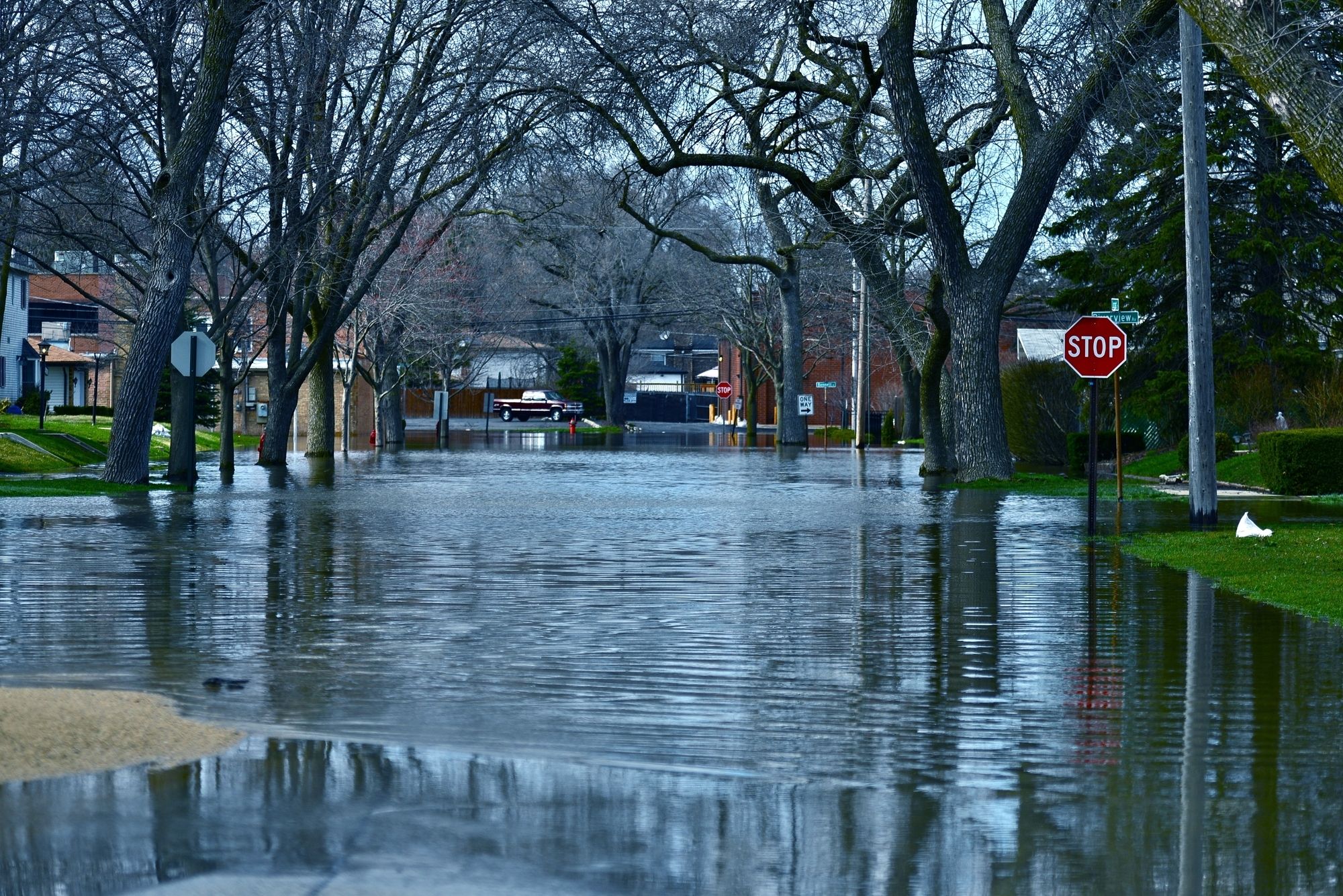
Creek/Waterway Flooding
Essentially similar in concept to river flooding, but smaller in scale. This covers creeks, streams, or any other kind of waterway, including a drainage channel.
The effects, however, are likely to be more localised. That doesn't mean they're insignificant for the areas that get flooded.
Overland Flow
This type of flooding occurs when shallow gullies or drainage depressions receive sheet flow run-off during storms. It can also occur when an element of the stormwater drainage system gets blocked. This might be due to a blocked inlet or insufficient pipe capacity.
There may well be parks near you which function as overland flow basins during heavy storms, and so can't be built on.
Tidal Inundation
This one is fairly self-explanatory - basically it's flooding that occurs as a result of high tide. Generally it's only considered a flood if the tide is particularly high (sometimes called a king tide) and the water flows further or rises higher than would be considered normal.
You've probably seen at least one video of an old house collapsing gracefully into the sea as waves pound away at the cliff below it during an unusually high tide.
Storm-Tide Flooding
Finally, there's storm-tide flooding. This is where a bad storm, often out to sea, has an effect on coastal water levels, causing inundation and storm surge tides that are particularly high and strong.
 Often these are caused by weather patterns such as cyclones or typhoons.
You can also get a tidal wave, often caused by an earthquake out in the middle of the ocean, which causes huge devastation.
The two cause different patterns, with a tidal wave being one big wave followed by reducing wave levels. A storm-tide is more ongoing, with the wild weather causing the tide to be much higher and stronger for an extended period.
Now you're an expert on the types of floods, I'm sure you're asking why does the type of flood matter? Lots of water in places it shouldn't be. Seems pretty simple.
Well, yes, but as a developer the type of flood likely on your site makes a huge difference in terms of what you can build there and how you build it. Because each type of flood has a different behaviour, and potentially needs different types of design in order to prepare for the arrival of a flood. Bottom line - flood type influences development design decisions.
It's all about the behaviour of the water during the flooding event. I've identified 6 variables, but there may well be more! Here's the ones I think about:
Looking at all those elements, you can start to see that different types of floods behave quite differently.
A storm tide, for example, is quick to come and go, unlikely to leave water sitting in place for days or weeks, but can be highly impactful to any structure it comes in contact with.
River floods, however, can usually be anticipated well in advance, generally take a while to reach their peak, but can take quite a while to recede, with water staying in place sometimes for weeks.
This is why it's so important to understand what type of flooding you're dealing with. Take a scenario where flooding, when it happens, is likely to last for a substantial period. How will emergency services reach the house? Do you need to look at room placement to avoid vital rooms going underwater for extended periods? Maybe easy roof access to assist in rescue efforts. The list goes on.
When fast moving, rapid floods occur, they often carry a lot of debris with them, leading to a risk of impact damage. So you may need to have an engineer increase the strength of the bottom section of your dwelling.
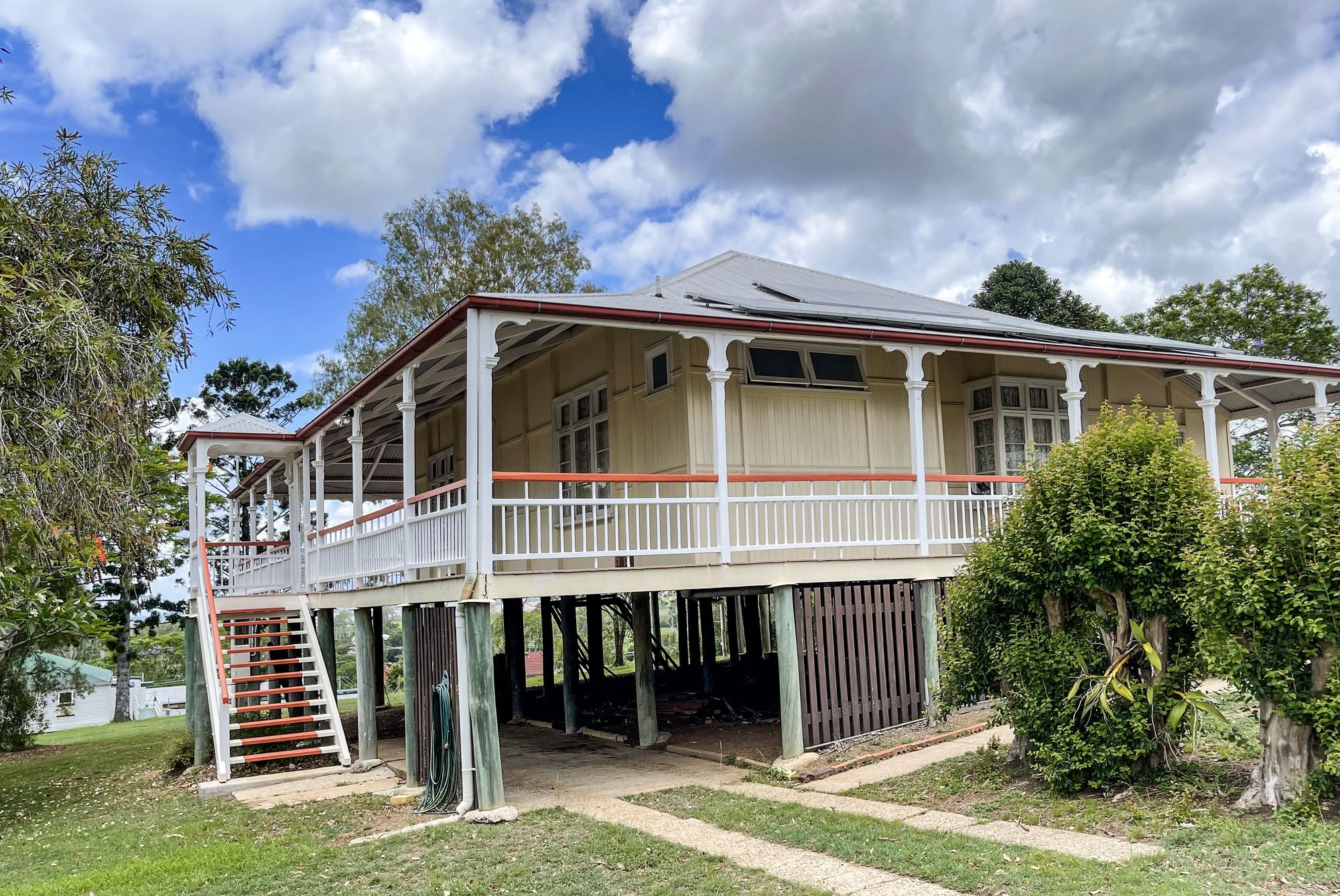
Depending on how frequently the block floods, you may be required (or just choose) to either leave the underside of the house open or have ways of opening up space to allow water to pass through, rather than creating pressure against the house with debris getting trapped.
From a regulation perspective, for this type of flooding event authorities generally assume the height of a 1 in 100 year flood, and add a margin for error. Anything below that height can't be a habitable space. So do your research to determine the minimum required.
Inside our Property Development Formula course, we explain how overlays, constraints and site risks like flooding affect feasibility and design decisions.
Having an understanding of the flood overlays or zones in your area, thinking through how the water is likely to behave during the type of flood expected and reading all the relevant regulations all add up to your dwelling being more likely to come through a flood damp but intact.
Which, when you translate it into simple English, basically means a whole lot of water flowing where it shouldn't. Sounds simple, right?
It is simple, up to a point anyway. But beyond that point there's a lot more to flooding than you might think, both in terms of definition and how it affects a property you want to develop. Understanding flood risk is critical for property development.
So let's take a deep dive on this subject - and see how many water related puns I can fit into one article. No more puns? Fine...
For starters, did you know there are 5 basic types of flooding? Let's start by taking a look at those.
River Flooding
Sometimes referred to as a river "breaking its banks". A river floods after widespread, prolonged rain over a significant part of the river's catchment area.
This type of flood generally takes a little while to occur, and is often predicted in advance, although just how high the flood will be is a little trickier to gauge.
My weather app regularly pops up flood warnings for various rivers in the state, as meteorologists can see how much rain is falling in catchment areas and predict what that's going to do to the river levels.
When a big river floods, it can affect huge areas of surrounding land for extended periods, including your development site.
Creek/Waterway Flooding
Essentially similar in concept to river flooding, but smaller in scale. This covers creeks, streams, or any other kind of waterway, including a drainage channel.
The effects, however, are likely to be more localised. That doesn't mean they're insignificant for the areas that get flooded.
Overland Flow
This type of flooding occurs when shallow gullies or drainage depressions receive sheet flow run-off during storms. It can also occur when an element of the stormwater drainage system gets blocked. This might be due to a blocked inlet or insufficient pipe capacity.
There may well be parks near you which function as overland flow basins during heavy storms, and so can't be built on.
Tidal Inundation
This one is fairly self-explanatory - basically it's flooding that occurs as a result of high tide. Generally it's only considered a flood if the tide is particularly high (sometimes called a king tide) and the water flows further or rises higher than would be considered normal.
You've probably seen at least one video of an old house collapsing gracefully into the sea as waves pound away at the cliff below it during an unusually high tide.
Storm-Tide Flooding
Finally, there's storm-tide flooding. This is where a bad storm, often out to sea, has an effect on coastal water levels, causing inundation and storm surge tides that are particularly high and strong.
Often these are caused by weather patterns such as cyclones or typhoons.You can also get a tidal wave, often caused by an earthquake out in the middle of the ocean, which causes huge devastation.
The two cause different patterns, with a tidal wave being one big wave followed by reducing wave levels. A storm-tide is more ongoing, with the wild weather causing the tide to be much higher and stronger for an extended period.
Now you're an expert on the types of floods, I'm sure you're asking why does the type of flood matter? Lots of water in places it shouldn't be. Seems pretty simple.
Well, yes, but as a developer the type of flood likely on your site makes a huge difference in terms of what you can build there and how you build it. Because each type of flood has a different behaviour, and potentially needs different types of design in order to prepare for the arrival of a flood. Bottom line - flood type influences development design decisions.
It's all about the behaviour of the water during the flooding event. I've identified 6 variables, but there may well be more! Here's the ones I think about:
- how high is the flood water
- how quickly does it rise
- how quickly does it recede
- how fast does it flow
- how long does it stay at peak levels
- how often will it flood
Looking at all those elements, you can start to see that different types of floods behave quite differently.
A storm tide, for example, is quick to come and go, unlikely to leave water sitting in place for days or weeks, but can be highly impactful to any structure it comes in contact with.
River floods, however, can usually be anticipated well in advance, generally take a while to reach their peak, but can take quite a while to recede, with water staying in place sometimes for weeks.
This is why it's so important to understand what type of flooding you're dealing with. Take a scenario where flooding, when it happens, is likely to last for a substantial period. How will emergency services reach the house? Do you need to look at room placement to avoid vital rooms going underwater for extended periods? Maybe easy roof access to assist in rescue efforts. The list goes on.
When fast moving, rapid floods occur, they often carry a lot of debris with them, leading to a risk of impact damage. So you may need to have an engineer increase the strength of the bottom section of your dwelling.
Depending on how frequently the block floods, you may be required (or just choose) to either leave the underside of the house open or have ways of opening up space to allow water to pass through, rather than creating pressure against the house with debris getting trapped.
From a regulation perspective, for this type of flooding event authorities generally assume the height of a 1 in 100 year flood, and add a margin for error. Anything below that height can't be a habitable space. So do your research to determine the minimum required.
Inside our Property Development Formula course, we explain how overlays, constraints and site risks like flooding affect feasibility and design decisions.
Having an understanding of the flood overlays or zones in your area, thinking through how the water is likely to behave during the type of flood expected and reading all the relevant regulations all add up to your dwelling being more likely to come through a flood damp but intact.