

When most people think of property development profits, they picture slick renders, cranes, and brand-new buildings. But there’s often untapped value sitting right in front of you (or under your feet!) on the development site itself. Your site likely contains a range of features that can be monetised, reused, or offset against development costs.
So whether you’re holding the property during the planning phase, waiting for permits, or gearing up for demolition, here’s how to extract real value from what’s already on site.
Some are quite obvious. For example, renting out an existing home on the property while you're getting a planning permit.
But how about selling the house? There are people who buy old houses, remove them from your site, relocate them somewhere else and then renovate. It's a great way to get a "new" house for a lower cost than building from scratch. If you have a house on stumps, in particular, this can be a great way to make some extra cash.
Strip and Sell Construction Materials
If your site has an existing house, shed, or structure due to be demolished, and removal isn't an option, don’t treat it as waste. It’s a treasure chest of resale value.
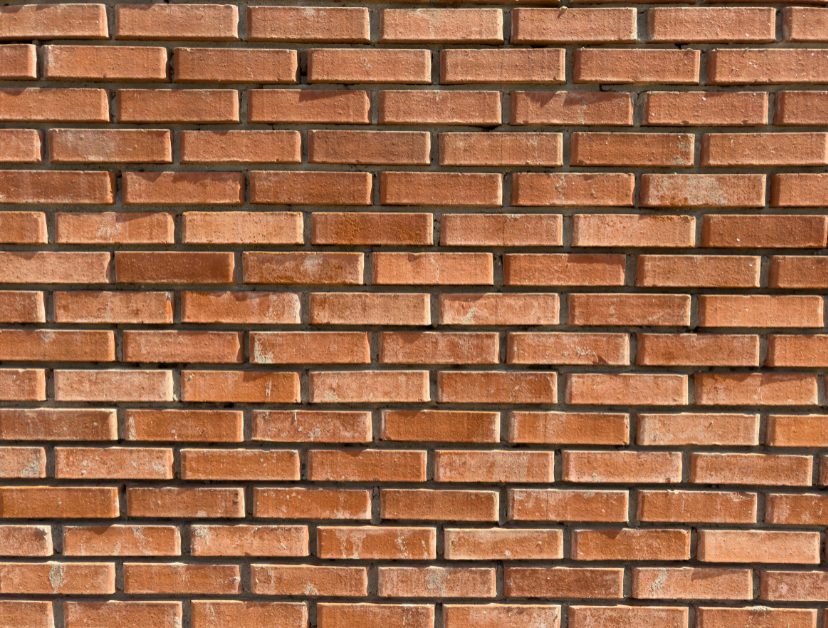 Salvageable materials include:
Local salvage yards and renovators often pay for these items. At a minimum, you can offer them for free pickup, which saves on tipping fees and labour. This can be particularly lucrative for older, character homes.
One option is to sell the items online, using places like Marketplace or Gumtree. Or you can sell to second-hand yards.
There are also salvage companies that can deconstruct the house for low or no cost in exchange for the materials.
Also, some demolition companies have sorting facilities in their yards that they use to split out the salvageable items with value, and will reduce their fee in return.
Scrap Metal
That rusty old garage or tin shed in the backyard might look like junk, but with the right eye, it’s reusable infrastructure or has scrap value. There may be significant amounts of salvageable metal in:
Copper and aluminium are especially valuable. Depending on quantity, scrap metal can fetch hundreds to thousands of dollars. Check current scrap metal rates. Some recyclers will even provide skips and pick up the material.
Sell Valuable Trees and Landscaping Items
One of the most overlooked sources of value on a block is mature trees. Certain species, particularly hardwoods, palms, or sculptural natives, are prized by landscapers, nurseries, and even private buyers. If your site includes mature trees, you could be sitting on thousands of dollars' worth of value.
Engage a landscape contractor or plant relocation specialist. Many will assess the site and offer to remove trees at their own cost in exchange for resale. Some will even pay you for them.
You may also be able to sell hedges, agaves, succulents, or larger shrubs to local gardeners or via Facebook Marketplace.
But don't stop there!
Developers often pay to import topsoil, but if your site has nutrient-rich, clean soil or natural fill, you may be able to sell it to landscapers or other developers, especially in greenfield areas.
As a minimum, you can avoid dumping fees by giving it away with “free fill, you collect” ads online. Just make sure any material being reused offsite is uncontaminated, and follow EPA and council guidelines.
Beyond trees, your site may have other marketable plants and landscaping features such as:
These can be sold, reused on another site, or offered for free pick-up, saving you tip fees and labour.
 Vacant Land
Maybe your site doesn't have a house, or you've demolished in preparation for building but the work has been delayed. There's still ways to make money!
For example, you can lease the land on a short-term basis for car parking, especially if your site is near train stations or hospitals. It might also be convenient parking for local events or weekend pop-up stalls.
The site can also be used for tradie parking and storage (equipment, trailers, materials). Sometimes when tradies are working in an area for a while, it's simpler to park their big equipment nearby rather than transport it every day.
If there's still a shed or two on site that opens up more possibilities for secure, weatherproof tradie storage.
Do your due diligence - make sure access is secure, insurance is in place, and your council doesn’t restrict temporary commercial use. Check whether these arrangements should be formalised with a short-term licence agreement to cover liability and timeframes.
And if you have a grassy, secure space, consider renting it out for agisting animals.
Making money from your development site doesn’t always require subdivision, construction, or flashy staging. Sometimes, the low-hanging fruit is right there: in the trees, the bricks, the sheds, and the soil.
In a tight market, where costs are rising and margins are squeezed, small wins add up. The time you invest in identifying these opportunities is money in your pocket. Your site may pay for itself in ways you never expected.
So whether you’re holding the property during the planning phase, waiting for permits, or gearing up for demolition, here’s how to extract real value from what’s already on site.
Some are quite obvious. For example, renting out an existing home on the property while you're getting a planning permit.
But how about selling the house? There are people who buy old houses, remove them from your site, relocate them somewhere else and then renovate. It's a great way to get a "new" house for a lower cost than building from scratch. If you have a house on stumps, in particular, this can be a great way to make some extra cash.
Strip and Sell Construction Materials
If your site has an existing house, shed, or structure due to be demolished, and removal isn't an option, don’t treat it as waste. It’s a treasure chest of resale value.
Salvageable materials include:
- Bricks (particularly vintage bricks)
- Floorboards and structural timbers
- Timber windows, doors, and architraves
- Clawfoot bathtubs, sinks, taps, and fittings
- Corrugated iron, slate, terracotta or concrete roof tiles
- Fireplaces, cornices, and heritage architectural features
- Air conditioning and heating systems
- Solar panels
Local salvage yards and renovators often pay for these items. At a minimum, you can offer them for free pickup, which saves on tipping fees and labour. This can be particularly lucrative for older, character homes.
One option is to sell the items online, using places like Marketplace or Gumtree. Or you can sell to second-hand yards.
There are also salvage companies that can deconstruct the house for low or no cost in exchange for the materials.
Also, some demolition companies have sorting facilities in their yards that they use to split out the salvageable items with value, and will reduce their fee in return.
Scrap Metal
That rusty old garage or tin shed in the backyard might look like junk, but with the right eye, it’s reusable infrastructure or has scrap value. There may be significant amounts of salvageable metal in:
- Hot water systems
- Metal fences and roof sheets
- Guttering and downpipes
- Car bodies or industrial junk
- Electrical wiring (copper), steel beams or mesh
Copper and aluminium are especially valuable. Depending on quantity, scrap metal can fetch hundreds to thousands of dollars. Check current scrap metal rates. Some recyclers will even provide skips and pick up the material.
Sell Valuable Trees and Landscaping Items
One of the most overlooked sources of value on a block is mature trees. Certain species, particularly hardwoods, palms, or sculptural natives, are prized by landscapers, nurseries, and even private buyers. If your site includes mature trees, you could be sitting on thousands of dollars' worth of value.
Engage a landscape contractor or plant relocation specialist. Many will assess the site and offer to remove trees at their own cost in exchange for resale. Some will even pay you for them.
You may also be able to sell hedges, agaves, succulents, or larger shrubs to local gardeners or via Facebook Marketplace.
But don't stop there!
Developers often pay to import topsoil, but if your site has nutrient-rich, clean soil or natural fill, you may be able to sell it to landscapers or other developers, especially in greenfield areas.
As a minimum, you can avoid dumping fees by giving it away with “free fill, you collect” ads online. Just make sure any material being reused offsite is uncontaminated, and follow EPA and council guidelines.
Beyond trees, your site may have other marketable plants and landscaping features such as:
- Raised garden beds
- Stone paths or edging
- Garden ornaments
- Water tanks
- Compost systems
- Large areas of established grass
These can be sold, reused on another site, or offered for free pick-up, saving you tip fees and labour.
Vacant LandMaybe your site doesn't have a house, or you've demolished in preparation for building but the work has been delayed. There's still ways to make money!
For example, you can lease the land on a short-term basis for car parking, especially if your site is near train stations or hospitals. It might also be convenient parking for local events or weekend pop-up stalls.
The site can also be used for tradie parking and storage (equipment, trailers, materials). Sometimes when tradies are working in an area for a while, it's simpler to park their big equipment nearby rather than transport it every day.
If there's still a shed or two on site that opens up more possibilities for secure, weatherproof tradie storage.
Do your due diligence - make sure access is secure, insurance is in place, and your council doesn’t restrict temporary commercial use. Check whether these arrangements should be formalised with a short-term licence agreement to cover liability and timeframes.
And if you have a grassy, secure space, consider renting it out for agisting animals.
Making money from your development site doesn’t always require subdivision, construction, or flashy staging. Sometimes, the low-hanging fruit is right there: in the trees, the bricks, the sheds, and the soil.
In a tight market, where costs are rising and margins are squeezed, small wins add up. The time you invest in identifying these opportunities is money in your pocket. Your site may pay for itself in ways you never expected.