
If there's one thing I talk about a LOT when it comes to property development, it's doing the numbers. If the numbers don't work, walk away.
And while that sounds really easy, there's one little glitch that I'm constantly having pointed out to me by budding property developers. How do you get realistic numbers for building costs to put into your calculations?
Which is a valid point. Your feasibility is going to be worthless if you just make stuff up. So how do you fill in the blanks?
Well, I'm going to go back to one of the other things I talk about a lot - doing your research. Okay, okay, don't groan. I know you've heard it before. Tough, I'm going to say it again! Your first step is to work out who your market is, and what they want.
Why? Think about it. How can you do a feasibility if you don't know what end result you're working towards? There's a big difference between a small single-storey unit and a spacious double-storey unit both in terms of build cost and sale price. Those differences will make a massive difference to your bottom line.
So start with size and layout. How many bedrooms? Bathrooms? Are we talking a McMansion or something smaller? All of these questions can be answered by finding out what your target market wants.
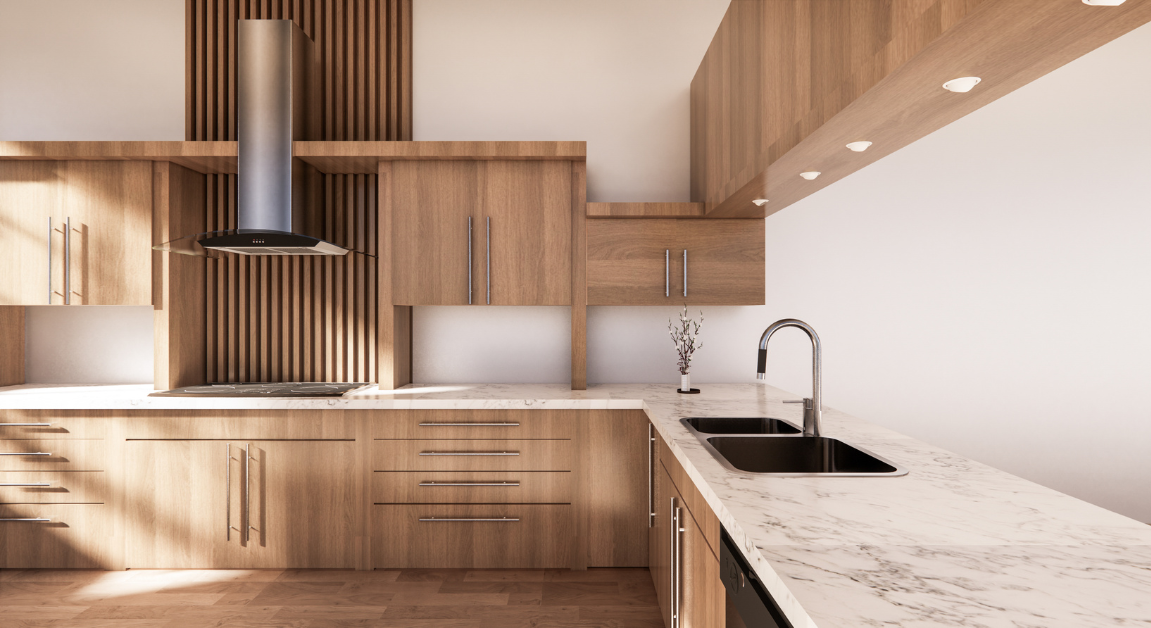 You'll also need to know the level of quality required for the build. Are you in a cheaper area and wanting something simple and durable because the end product is likely to be purchased by an investor as a rental? Or are you in an area where people have money to spend and want a high quality finish?
Think about the type of facade that will suit the area. A simple rectangular box design is cheaper to build than something with angles, corners and multiple types of surfaces. Check out the area and see what's selling well and you'll get some idea of the direction to choose for this element.
Your location is also important. No, no, not the old "location location location" concept. I mean where you are in the country. Prices can vary a lot from metropolitan to regional, even town to town. Some areas have plenty of tradies which results in competitive pricing. But if good tradies are hard to get, you may have to allow top dollar for their services.
Once you know what type of dwelling you need, find builders who are building that. Done.
Okay, maybe not. A common complaint I get from students and other members of the community is that builders aren't willing to give numbers. And I get it. The last thing a builder wants to do is put a number out there as a guesstimate, only to have it come back to bite them on the bum when it turns out there are elements of the build that are going to make it more expensive.
So inevitably they're reluctant to give you a number. And if you want a reasonably accurate quote, it takes them time to pull together. You can't blame them for not wanting to take that on. One solution is to offer to pay them something to do a quote. Again, if you're still only at concept stage, that's a big ask. You're only going to get a realistic quote when you have working drawings.
 Frustrated and ready to give up? I'm not done yet. Now you know what you need to build, get online and start looking for builders with that type of product available. A lot of builders put floorplans online nowadays, so start searching for one that fits your needs.
You can't always get costs online as well, but you can go to a display home, or ring the company, and ask for pricing to build that house design. Just be aware that they generally give you a starter price, so it's always worth asking how much extra people generally spend on add-ons to get a better idea of what it's likely to cost.
Another idea is to check out your neighbourhood and see if you can find a builder close to finishing a build that's similar to what you want. If you explain that you're looking to build something similar, hopefully the builder will be willing to share what the current build is costing. It's worth a chat!
Finally, paying a quantity surveyor is another way to get an idea of civil and build costs for your development. Again, they're not going to be able to give you anything useful unless you have plans to work from. Shop around, and hopefully you can find one who is willing to give you a ballpark figure based on a floorplan along with your required quality level and facade.
As a side note, you need to know how many dwellings/lots you can achieve on the site. Do some research with a town planner or read through the zone guidelines to answer that question. Some builders can do a better price if they're building multiple dwellings on a site.
All of this is going to take time and work to pull together. But if you're serious about becoming a property developer, then get used to it. If you want results, you have to do what it takes to make it happen.
And while that sounds really easy, there's one little glitch that I'm constantly having pointed out to me by budding property developers. How do you get realistic numbers for building costs to put into your calculations?
Which is a valid point. Your feasibility is going to be worthless if you just make stuff up. So how do you fill in the blanks?
Well, I'm going to go back to one of the other things I talk about a lot - doing your research. Okay, okay, don't groan. I know you've heard it before. Tough, I'm going to say it again! Your first step is to work out who your market is, and what they want.
Why? Think about it. How can you do a feasibility if you don't know what end result you're working towards? There's a big difference between a small single-storey unit and a spacious double-storey unit both in terms of build cost and sale price. Those differences will make a massive difference to your bottom line.
So start with size and layout. How many bedrooms? Bathrooms? Are we talking a McMansion or something smaller? All of these questions can be answered by finding out what your target market wants.
You'll also need to know the level of quality required for the build. Are you in a cheaper area and wanting something simple and durable because the end product is likely to be purchased by an investor as a rental? Or are you in an area where people have money to spend and want a high quality finish?Think about the type of facade that will suit the area. A simple rectangular box design is cheaper to build than something with angles, corners and multiple types of surfaces. Check out the area and see what's selling well and you'll get some idea of the direction to choose for this element.
Your location is also important. No, no, not the old "location location location" concept. I mean where you are in the country. Prices can vary a lot from metropolitan to regional, even town to town. Some areas have plenty of tradies which results in competitive pricing. But if good tradies are hard to get, you may have to allow top dollar for their services.
Once you know what type of dwelling you need, find builders who are building that. Done.
Okay, maybe not. A common complaint I get from students and other members of the community is that builders aren't willing to give numbers. And I get it. The last thing a builder wants to do is put a number out there as a guesstimate, only to have it come back to bite them on the bum when it turns out there are elements of the build that are going to make it more expensive.
So inevitably they're reluctant to give you a number. And if you want a reasonably accurate quote, it takes them time to pull together. You can't blame them for not wanting to take that on. One solution is to offer to pay them something to do a quote. Again, if you're still only at concept stage, that's a big ask. You're only going to get a realistic quote when you have working drawings.
Frustrated and ready to give up? I'm not done yet. Now you know what you need to build, get online and start looking for builders with that type of product available. A lot of builders put floorplans online nowadays, so start searching for one that fits your needs.You can't always get costs online as well, but you can go to a display home, or ring the company, and ask for pricing to build that house design. Just be aware that they generally give you a starter price, so it's always worth asking how much extra people generally spend on add-ons to get a better idea of what it's likely to cost.
Another idea is to check out your neighbourhood and see if you can find a builder close to finishing a build that's similar to what you want. If you explain that you're looking to build something similar, hopefully the builder will be willing to share what the current build is costing. It's worth a chat!
Finally, paying a quantity surveyor is another way to get an idea of civil and build costs for your development. Again, they're not going to be able to give you anything useful unless you have plans to work from. Shop around, and hopefully you can find one who is willing to give you a ballpark figure based on a floorplan along with your required quality level and facade.
As a side note, you need to know how many dwellings/lots you can achieve on the site. Do some research with a town planner or read through the zone guidelines to answer that question. Some builders can do a better price if they're building multiple dwellings on a site.
All of this is going to take time and work to pull together. But if you're serious about becoming a property developer, then get used to it. If you want results, you have to do what it takes to make it happen.