

When you're starting out as a property developer, chances are your first project will be a small one. It's certainly what I recommend to my students.
Once you've got some experience, though, the next step is to grow the size of your projects until you hit the magic number of 6.
And that's where site amalgamation can be a great solution.
I can already see you scratching your head and wondering what the heck the magic number of 6 means.
When I ask developers what percentage return they need to get from a project, they will almost always shout as one "20%"!
Using that rate of return, if I develop a site into 6 lots or homes, then at that point I should be able to keep one of those properties debt-free at the end of the development. And that's the magic number of 6.
Okay, now we can move on!
There is a slight catch with that concept though. If you're working on infill developments (essentially knocking down an old house and replacing it with new ones) then you're also likely to be working with standard suburban blocks.
In many areas, lot sizes are constrained by historical subdivisions. Individually, these blocks may be too small to allow efficient or profitable development. Combining two or more can help meet minimum requirements for height, floor area ratio (FAR), setbacks, car parking and open space. It can also unlock higher densities or more flexible building layouts.
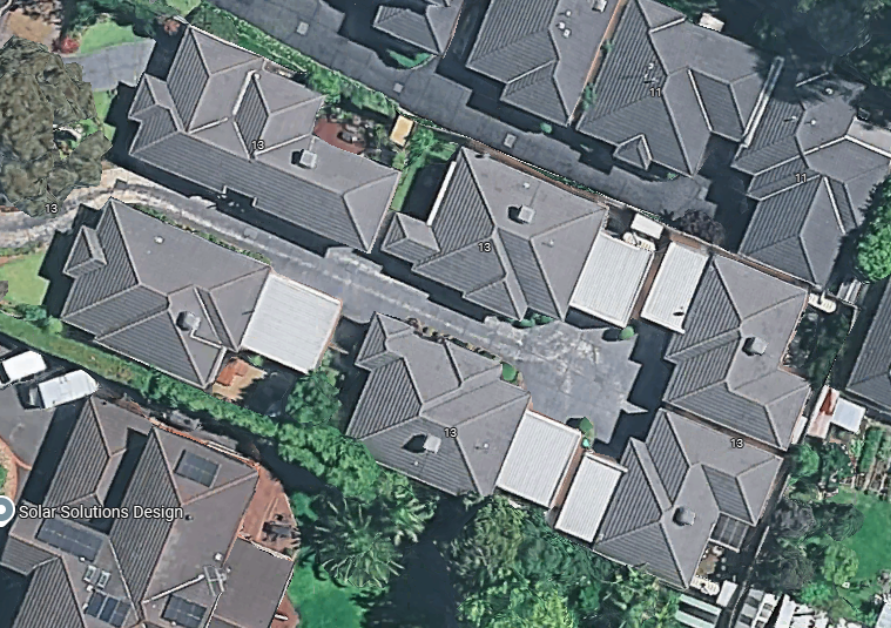 Put simply, although some zones might allow you to put 6 on a standard lot, quite often they don't. That's where amalgamating sites is a great way to obtain enough land.
To put it simply: bigger blocks open bigger doors.
While site amalgamation can be more complex than purchasing a single lot, the rewards can be significant.
With larger land parcels, you may:
As an example, a single lot in a suburban area might only allow for a single dwelling or duplex. But combine it with a neighbour’s block and suddenly you might meet the criteria for a 6-townhouse project. That’s not just a bigger number of townhouses to sell, it’s a bigger margin.
Even better, sometimes you can take 2 blocks that could potentially have 3 townhouses each and combine them into a 7-townhouse site because of the extra space gained by only needing one driveway.
The key thing to remember here is that site amalgamation only works when the combined site offers a greater development outcome than the individual blocks could achieve alone.
A common mistake is assuming that “bigger is better” without doing the numbers. Sometimes the uplift isn’t as strong as it seems on paper, especially if significant infrastructure works or demolition are required.
Let's go back to my previous example. If you can already get 3 townhouses on each site, and combining them still only ends up with 6 townhouses on the combined site, it may not be worth the extra cost and hassle of amalgamating.
Challenges
Site amalgamation is not without its risks or difficulties. Understanding these in advance can help you avoid costly mistakes.
Buying multiple properties from different owners can be tricky. Some may be unwilling to sell, or may demand a premium once they realise their property is essential to your plans. This can kill your feasibility or timeline.
Reality is, if you secure one lot but not the others, you may be stuck with a site that doesn’t meet your development objectives. This is where using options, delayed settlements, or subject-to-approval clauses can reduce risk.
Combining sites may trigger a range of different planning overlays or infrastructure contributions. You’ll need to consider zoning, lot orientation, heritage restrictions, access issues, drainage, and bushfire or flooding overlays.
More lots usually also means more stamp duty, more land tax, and higher interest costs. It’s critical that your feasibility accounts for these and for the increased timeline between acquisition and permit approval.
 Secret Sauce
Okay, so I think it's clear from everything I've written so far that amalgamating sites is a great idea. That's on the basis that you do your feasibility and due diligence thoroughly to make sure there are definite gains to be achieved.
So what's my secret sauce on this topic? Start in the middle. Simple, right? And it makes sense. If you need to combine 2 sites, then start with a site in the middle of two others. Now you have two options to work with. That makes it a lot harder for one of those two options to hold you to ransom!
If you start at the end of the row and the only neighbour says no, or puts an extortionate price on their land, game over.
Bottom line, site amalgamation is one of the most powerful strategies in a developer’s toolkit, but it’s not one to rush into blindly. It requires vision, negotiating finesse, capital strength, and a good grasp of planning controls.
For developers seeking to grow their pipeline or move into higher value projects, it’s a strategy worth mastering. As cities densify and land becomes scarcer, the ability to stitch together parcels and see beyond individual lots will become a definite advantage.
Success lies in knowing the value you can create, not just the land you can combine.
And the reality is, sometimes you’ll need to wait. Owners change their minds, financial needs evolve, and neighbouring properties will come to market down the track. This is often a long game, so you need to be ready to play.
Once you've got some experience, though, the next step is to grow the size of your projects until you hit the magic number of 6.
And that's where site amalgamation can be a great solution.
I can already see you scratching your head and wondering what the heck the magic number of 6 means.
When I ask developers what percentage return they need to get from a project, they will almost always shout as one "20%"!
Using that rate of return, if I develop a site into 6 lots or homes, then at that point I should be able to keep one of those properties debt-free at the end of the development. And that's the magic number of 6.
Okay, now we can move on!
There is a slight catch with that concept though. If you're working on infill developments (essentially knocking down an old house and replacing it with new ones) then you're also likely to be working with standard suburban blocks.
In many areas, lot sizes are constrained by historical subdivisions. Individually, these blocks may be too small to allow efficient or profitable development. Combining two or more can help meet minimum requirements for height, floor area ratio (FAR), setbacks, car parking and open space. It can also unlock higher densities or more flexible building layouts.
Put simply, although some zones might allow you to put 6 on a standard lot, quite often they don't. That's where amalgamating sites is a great way to obtain enough land.To put it simply: bigger blocks open bigger doors.
While site amalgamation can be more complex than purchasing a single lot, the rewards can be significant.
With larger land parcels, you may:
- Unlock higher density development (e.g. townhouses, apartments)
- Meet minimum lot size thresholds for rezoning or subdivision
- Optimise building design and achieve better layouts
- Increase street frontage or achieve dual access points
- Add significant value through planning uplift
As an example, a single lot in a suburban area might only allow for a single dwelling or duplex. But combine it with a neighbour’s block and suddenly you might meet the criteria for a 6-townhouse project. That’s not just a bigger number of townhouses to sell, it’s a bigger margin.
Even better, sometimes you can take 2 blocks that could potentially have 3 townhouses each and combine them into a 7-townhouse site because of the extra space gained by only needing one driveway.
The key thing to remember here is that site amalgamation only works when the combined site offers a greater development outcome than the individual blocks could achieve alone.
A common mistake is assuming that “bigger is better” without doing the numbers. Sometimes the uplift isn’t as strong as it seems on paper, especially if significant infrastructure works or demolition are required.
Let's go back to my previous example. If you can already get 3 townhouses on each site, and combining them still only ends up with 6 townhouses on the combined site, it may not be worth the extra cost and hassle of amalgamating.
Challenges
Site amalgamation is not without its risks or difficulties. Understanding these in advance can help you avoid costly mistakes.
Buying multiple properties from different owners can be tricky. Some may be unwilling to sell, or may demand a premium once they realise their property is essential to your plans. This can kill your feasibility or timeline.
Reality is, if you secure one lot but not the others, you may be stuck with a site that doesn’t meet your development objectives. This is where using options, delayed settlements, or subject-to-approval clauses can reduce risk.
Combining sites may trigger a range of different planning overlays or infrastructure contributions. You’ll need to consider zoning, lot orientation, heritage restrictions, access issues, drainage, and bushfire or flooding overlays.
More lots usually also means more stamp duty, more land tax, and higher interest costs. It’s critical that your feasibility accounts for these and for the increased timeline between acquisition and permit approval.
Secret SauceOkay, so I think it's clear from everything I've written so far that amalgamating sites is a great idea. That's on the basis that you do your feasibility and due diligence thoroughly to make sure there are definite gains to be achieved.
So what's my secret sauce on this topic? Start in the middle. Simple, right? And it makes sense. If you need to combine 2 sites, then start with a site in the middle of two others. Now you have two options to work with. That makes it a lot harder for one of those two options to hold you to ransom!
If you start at the end of the row and the only neighbour says no, or puts an extortionate price on their land, game over.
Bottom line, site amalgamation is one of the most powerful strategies in a developer’s toolkit, but it’s not one to rush into blindly. It requires vision, negotiating finesse, capital strength, and a good grasp of planning controls.
For developers seeking to grow their pipeline or move into higher value projects, it’s a strategy worth mastering. As cities densify and land becomes scarcer, the ability to stitch together parcels and see beyond individual lots will become a definite advantage.
Success lies in knowing the value you can create, not just the land you can combine.
And the reality is, sometimes you’ll need to wait. Owners change their minds, financial needs evolve, and neighbouring properties will come to market down the track. This is often a long game, so you need to be ready to play.