

Contingency is the secret sauce of every decent property development feasibility. It’s the buffer that keeps your spreadsheet from having a meltdown the moment something unexpected pops up, which, let’s be honest, is at least once a week in development!
If you’ve ever stared at your feasibility wondering, “Is 5% enough? Should I go 10%? Would 20% make me look paranoid?", you’re not alone. Determining the right contingency is one of the most important numbers in your entire deal, and it deserves more thought than simply picking your favourite number on the day.
Let’s walk through how to get it right without relying on blind faith, good luck, or the property gods.
What Is Contingency?
Contingency is the financial buffer you build into your property development feasibility to protect the project against the inevitable surprises, variations and cost increases that arise along the way.
No matter how well you plan, development always carries unknowns. Contingency isn’t a luxury; it’s the safety net that stops these surprises from eroding your profit or pushing your feasibility into the danger zone.
In simple terms, contingency represents a percentage allowance applied to your project's costs. It’s a deliberate acknowledgement that real-world delivery rarely matches the neat, orderly numbers on a spreadsheet.
By setting aside this buffer upfront, you’re ensuring the feasibility reflects true project risk, lenders feel confident in your numbers, and you have the financial resilience to deal with the unexpected without derailing the development. Contingency is simply smart risk management, protecting your margin before you even break ground. A well-structure contingency plan strengthens your development feasibility.
And if you don't need it, that's more money in your pocket at the end of the deal!
Types of Contingency
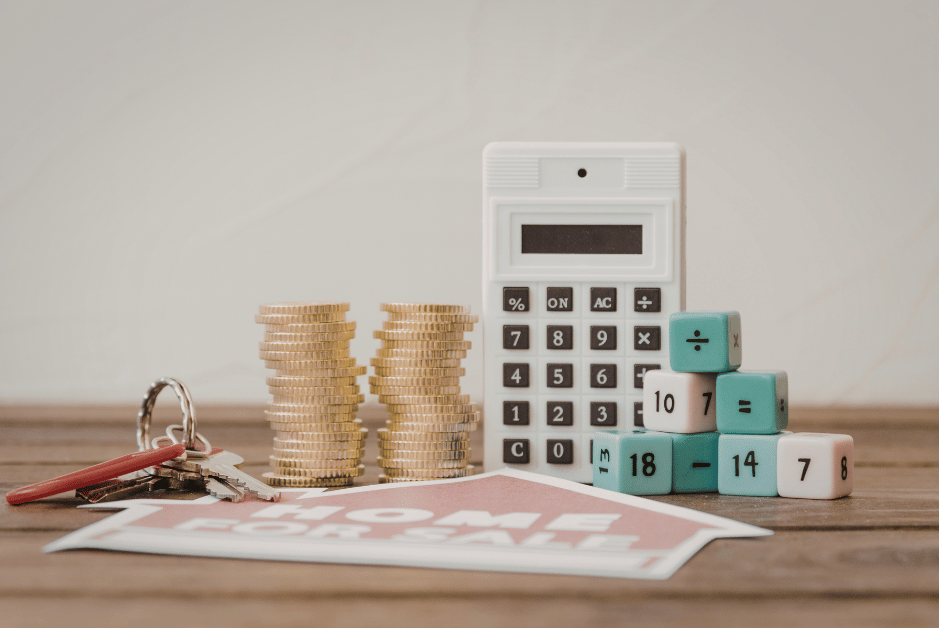 While every project is unique, typical contingency allowances fall into the following ranges:
Construction Contingency
Builders apply their own margin and sometimes their own internal contingency, but the developer’s contingency still matters, especially if you are building under a fixed-price contract that includes provisional sums or exclusions. A construction contingency protects against cost overruns.
Soft-Cost Contingency
This covers additional reports requested by council, extra meetings, extended design development, or specialists like traffic engineers, landscape upgrades, cultural heritage advisors or arborists.
If you already know what's going to be required and how much it will cost, you may not need to add a contingency here, but if not, the contingency for this doesn't need to be massive.
Fixed Costs
The good news is that there's no need to put contingency on fixed costs - yay! This is an example of fat-on-fat. Purchase price, stamp duty, certain fees and more fall into this category.
Developer Experience
This is an element that's not considered very often, but should play in to how much contingency you allow on a project.
How experienced are you as a developer? And how experienced are you with completing the size of project you're working on?
If the answer is you're highly experienced on both fronts, then you probably don't need to worry about adding more for this category.
But if you're not, then seriously consider adding a bit of extra contingency as a safeguard. For example, if you're doing a low risk project (5%) but you have little experience, you should probably bump that up to 7.5% or even 10%.
As an overall comment, keep in mind that banks often expect a minimum of 5%–10% contingency depending on the project scale and risk profile. So don't think that being experienced and doing a low risk project automatically lets you off the hook! Banks will still contingency in your development feasibility.
Inside the Property Development Formula, we show how to structure feasibility assumptions, contingency buffers and lender-ready numbers.
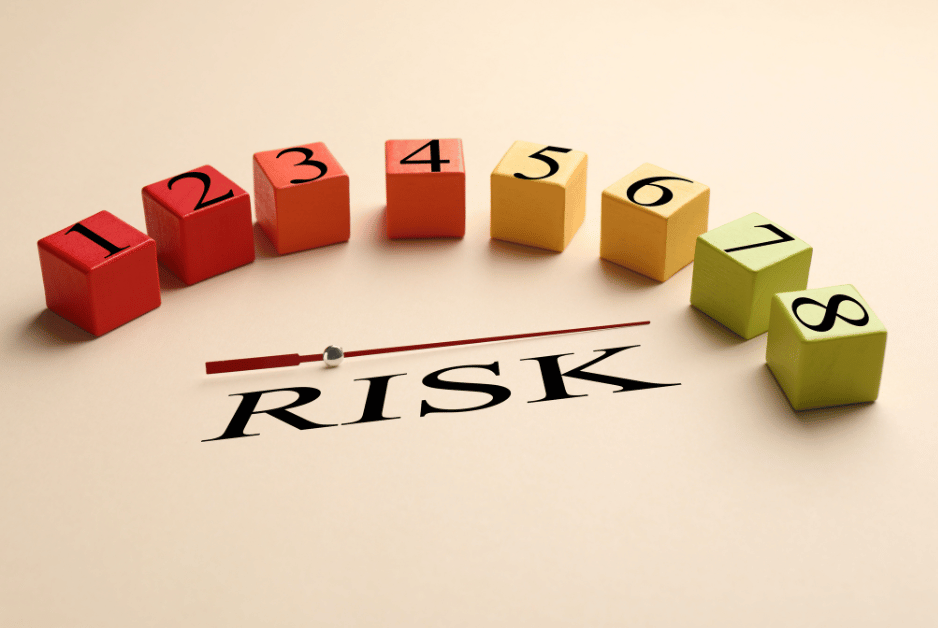 The Contingency Dating Game - What's The Risk?
I've already mentioned the importance of using the project's risk level in order to determine how much contingency you should factor into your feasibility. But your overall contingency rate is a moving target, because every deal is different.
It's a little bit like dating. The real magic happens when you match your contingency to your site and circumstances. Here’s some things to think about.
Good, clean, well-behaved sites sit at the lower end. Anything messy, mysterious, or moody? Add more.
Every council has a reputation. Some are predictable and efficient, others make you reconsider your life choices. Adjust risk accordingly.
Your builder can make or break your budget faster than almost anything else. If you've never worked with them before, proceed with both optimism and caution.
Construction costs rarely stay still. If pricing is as stable as a toddler on espresso, you’ll want a higher construction contingency.
Be honest about your own attractiveness and experience as a developer and how that affects the risk level.
If your feasibility falls apart with the slightest nudge, your contingency might be too low, or your purchase price too high.
Quantity surveyors and builders have seen enough budget blowouts to write a soap opera. Tap into their wisdom early and adjust your contingency based on the on site risk factors they identify.
Red Flags
Just like when you're starting a new relationship, it's important to keep your eyes open for red flags. Here's a list to get you started:
These are some of the areas where projects commonly go over budget. Each one is a risk magnet attached to a very big waving red flag. Adjust your risk level accordingly.
Most Common Contingency Mistake
As a mentor I see plenty of feasibilities, and there's one common mistake I see students make when it comes to contingency. They look at their numbers, make them as conservative as possible, and then add contingency on top of that.
In essence, they're adding fat on top of fat. Guess what - you're rarely going to find a deal that stacks up if you're doing this.
The trick here is to be realistic with your feaso numbers, knowing your contingency will be there for any variations along the way. If you've been given a price range for an item on the feasibility, pick the middle number. For example, between $5k and $10k, use $7.5k.
Also keep in mind the magic of overs and unders. With most projects you'll find that some numbers go over what you expected, but others will come in under. Over the whole project these two things tend to even out. And if they don't? That's what your contingency is for.
Always remember, excessive contingency can make an otherwise good project appear unviable, causing you to pass on opportunities that experienced developers would comfortably proceed with. The trick is not to eliminate all risk - development doesn’t work that way - but to price the risk appropriately.
If your contingency is too conservative:
Contingency is about being accurate, not anxious.
The Bottom Line
Contingency is not a random percentage thrown in at the end of a feasibility. It’s a calculated allowance that reflects the real, site-specific, market-specific, developer-specific and builder-specific risks inherent in your project. Getting this right protects your profit margin, reassures your partners and lenders, and provides professional discipline to your feasibility process.
For most small-to-medium residential developments in Australia, 5%–10% total development contingency is the sweet spot. More complex projects get more padding. Simpler ones get less. Too easy!
Get this number right, and your feasibility stays healthy, realistic and bank-ready. Get it wrong, and… well, that’s what contingency was meant to fix in the first place.
If you’ve ever stared at your feasibility wondering, “Is 5% enough? Should I go 10%? Would 20% make me look paranoid?", you’re not alone. Determining the right contingency is one of the most important numbers in your entire deal, and it deserves more thought than simply picking your favourite number on the day.
Let’s walk through how to get it right without relying on blind faith, good luck, or the property gods.
What Is Contingency?
Contingency is the financial buffer you build into your property development feasibility to protect the project against the inevitable surprises, variations and cost increases that arise along the way.
No matter how well you plan, development always carries unknowns. Contingency isn’t a luxury; it’s the safety net that stops these surprises from eroding your profit or pushing your feasibility into the danger zone.
In simple terms, contingency represents a percentage allowance applied to your project's costs. It’s a deliberate acknowledgement that real-world delivery rarely matches the neat, orderly numbers on a spreadsheet.
By setting aside this buffer upfront, you’re ensuring the feasibility reflects true project risk, lenders feel confident in your numbers, and you have the financial resilience to deal with the unexpected without derailing the development. Contingency is simply smart risk management, protecting your margin before you even break ground. A well-structure contingency plan strengthens your development feasibility.
And if you don't need it, that's more money in your pocket at the end of the deal!
Types of Contingency
While every project is unique, typical contingency allowances fall into the following ranges:Construction Contingency
- Low-risk projects (simple townhouses, standard builds, flat sites): 5%
- Medium-risk projects (moderate complexity, sloping sites, tricky services): 7.5%
- High-risk projects (basements, mixed-use, inner-city constraints): 10%+
Builders apply their own margin and sometimes their own internal contingency, but the developer’s contingency still matters, especially if you are building under a fixed-price contract that includes provisional sums or exclusions. A construction contingency protects against cost overruns.
Soft-Cost Contingency
This covers additional reports requested by council, extra meetings, extended design development, or specialists like traffic engineers, landscape upgrades, cultural heritage advisors or arborists.
If you already know what's going to be required and how much it will cost, you may not need to add a contingency here, but if not, the contingency for this doesn't need to be massive.
Fixed Costs
The good news is that there's no need to put contingency on fixed costs - yay! This is an example of fat-on-fat. Purchase price, stamp duty, certain fees and more fall into this category.
Developer Experience
This is an element that's not considered very often, but should play in to how much contingency you allow on a project.
How experienced are you as a developer? And how experienced are you with completing the size of project you're working on?
If the answer is you're highly experienced on both fronts, then you probably don't need to worry about adding more for this category.
But if you're not, then seriously consider adding a bit of extra contingency as a safeguard. For example, if you're doing a low risk project (5%) but you have little experience, you should probably bump that up to 7.5% or even 10%.
As an overall comment, keep in mind that banks often expect a minimum of 5%–10% contingency depending on the project scale and risk profile. So don't think that being experienced and doing a low risk project automatically lets you off the hook! Banks will still contingency in your development feasibility.
Inside the Property Development Formula, we show how to structure feasibility assumptions, contingency buffers and lender-ready numbers.
The Contingency Dating Game - What's The Risk?I've already mentioned the importance of using the project's risk level in order to determine how much contingency you should factor into your feasibility. But your overall contingency rate is a moving target, because every deal is different.
It's a little bit like dating. The real magic happens when you match your contingency to your site and circumstances. Here’s some things to think about.
Good, clean, well-behaved sites sit at the lower end. Anything messy, mysterious, or moody? Add more.
Every council has a reputation. Some are predictable and efficient, others make you reconsider your life choices. Adjust risk accordingly.
Your builder can make or break your budget faster than almost anything else. If you've never worked with them before, proceed with both optimism and caution.
Construction costs rarely stay still. If pricing is as stable as a toddler on espresso, you’ll want a higher construction contingency.
Be honest about your own attractiveness and experience as a developer and how that affects the risk level.
If your feasibility falls apart with the slightest nudge, your contingency might be too low, or your purchase price too high.
Quantity surveyors and builders have seen enough budget blowouts to write a soap opera. Tap into their wisdom early and adjust your contingency based on the on site risk factors they identify.
Red Flags
Just like when you're starting a new relationship, it's important to keep your eyes open for red flags. Here's a list to get you started:
- Basements or embedded retaining walls
- Steep or irregular sites
- Tight inner-city access
- Significant civil works
- Unresolved planning risks
- Heritage or character overlays
- High likelihood of neighbour objections
- Mixed-use or non-standard construction
- Extensive Provisional Sums in the builder quote
These are some of the areas where projects commonly go over budget. Each one is a risk magnet attached to a very big waving red flag. Adjust your risk level accordingly.
Most Common Contingency Mistake
As a mentor I see plenty of feasibilities, and there's one common mistake I see students make when it comes to contingency. They look at their numbers, make them as conservative as possible, and then add contingency on top of that.
In essence, they're adding fat on top of fat. Guess what - you're rarely going to find a deal that stacks up if you're doing this.
The trick here is to be realistic with your feaso numbers, knowing your contingency will be there for any variations along the way. If you've been given a price range for an item on the feasibility, pick the middle number. For example, between $5k and $10k, use $7.5k.
Also keep in mind the magic of overs and unders. With most projects you'll find that some numbers go over what you expected, but others will come in under. Over the whole project these two things tend to even out. And if they don't? That's what your contingency is for.
Always remember, excessive contingency can make an otherwise good project appear unviable, causing you to pass on opportunities that experienced developers would comfortably proceed with. The trick is not to eliminate all risk - development doesn’t work that way - but to price the risk appropriately.
If your contingency is too conservative:
- Your feasibility stops stacking up
- Your returns look sad
- Lenders start asking questions
- You miss out on deals more confident developers happily take
Contingency is about being accurate, not anxious.
The Bottom Line
Contingency is not a random percentage thrown in at the end of a feasibility. It’s a calculated allowance that reflects the real, site-specific, market-specific, developer-specific and builder-specific risks inherent in your project. Getting this right protects your profit margin, reassures your partners and lenders, and provides professional discipline to your feasibility process.
For most small-to-medium residential developments in Australia, 5%–10% total development contingency is the sweet spot. More complex projects get more padding. Simpler ones get less. Too easy!
Get this number right, and your feasibility stays healthy, realistic and bank-ready. Get it wrong, and… well, that’s what contingency was meant to fix in the first place.