

Something I talk about a lot regarding becoming a Property Developer is the importance of being an expert. One strategy (Strategy Expert), one Council (Council Expert) and three suburbs (Suburb Expert).
And yet what I often see is people spending countless hours trawling websites like Domain and Realestate.com.au looking for potential development deals anywhere and everywhere.
The problem with that approach is you end up chewing through lots of valuable time because whenever you find a deal that "might" stack up, you then have to start from scratch doing all the background research.
The other problem is that you might find a cracker of a development deal, only to realise it doesn't suit your personal situation. Sure, you can potentially pass it on to someone else for a deal finder's fee, but then you have to start again.
It's much more efficient to know which property development strategy suits your circumstances, and find deals in areas where you know that strategy is profitable. Choosing the right property development strategy is one of the most important early decisions for new developers.
Choosing the right strategy is also very personal, so let's take a look at some of the factors you need to weigh up.
What is Your End Goal?
What do you want to achieve as a Property Developer? It's very easy to just say "financial freedom!" and believe me, I hear that a LOT! But be more specific - what does financial freedom look like to you? Is it a large slab of money in the bank? A portfolio of mortgage-free properties bringing in more than enough cashflow each month for you to live the life you choose to live? Other investments that generate cashflow for you? Do you want to do enough to set yourself up with a retirement income, or do you want to stay actively involved in Property Development?

It's a lot easier to draw up a road map when you know your final destination. For example, if you're keen to have a portfolio of investment properties for income, then you may want to focus on a strategy that involves turning one site into multiple dwellings so you can keep one, some or all of them as rental properties. Your end goal also dictates the type of structure you use for your strategy (but that's a whole other blog post!).
What's Your Current Position?
Sit down and assess your current financial position. We do this with you as part of Property Development Formula, but you can do it for yourself. Understanding your financial position is a critical step in property development planning and feasibility. What are your current assets and liabilities? Do you have equity available in any properties you already own? Do you own any assets that are underperforming, which you might be better off selling?
At this point it may also be worthwhile having a chat with a Mortgage Broker who understands finance for developments. They can give you some idea of what your current borrowing capacity is. Knowing this is essential for structuring property development finance.
Do a Budget!
Okay, I know the word "budget" makes most people either go cold with fear or fall asleep in their chair. Sorry, but you still need to do one! How else are you going to understand your capacity to service a new loan? Your Mortgage Broker is going to want to know your budget numbers too, so grit your teeth and get it done. And for those people who clapped their hands together with glee at the thought of doing a budget? Everyone else thinks you're crazy, but at least you're ahead of the game on this one.
Here are some numbers to include, just to get you started:
What Resources Do You Have or Need?
This is a fairly broad category, and has two basic subcategories - useful tools and your personal resources. So essentially internal and external resources. External resources could be as basic as getting a subscription to a property data service. But it can also incorporate looking at what professionals you're going to need on your "dream team" of consultants moving forward, and taking steps to access them on an ongoing basis. For example, an accountant, a property lawyer, surveyor etc.
 From an internal perspective, be realistic! If you have a highly demanding job which sees you regularly working 60 or 70 hours a week, then it doesn't make sense to choose a strategy which is hugely time intensive, unless you're willing to work with a joint venture partner. Equally, strategies can take anywhere from a couple of months to years - how long can you afford to wait before you get paid? How long can you cover negative cashflow on a project?
My favourite approach, once you've chosen your strategy, is to start small and grow into bigger projects as you gain experience. This is a great way to grow your skills base. But if you're coming into this with relevant personal or job experience, then potentially you can jump to bigger projects quicker, and that experience may mean it makes more sense to choose one development strategy over another. Build on your strengths!
Your Risk Profile
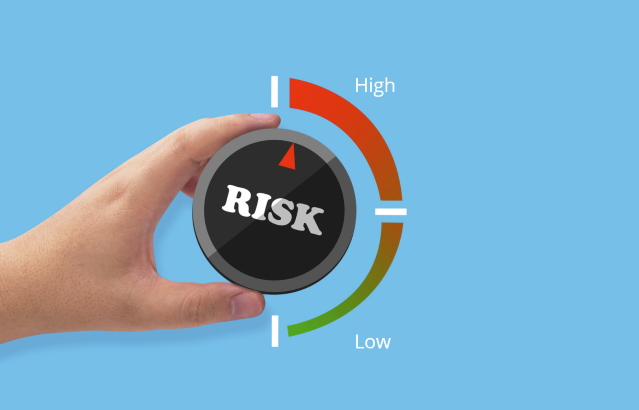
Finally, what's your risk profile or appetite? If it's low, then choosing a strategy which is as low risk as possible is obviously a good idea. Don't feel like you have to choose a high-risk strategy just for the sake of it - you still need to sleep at night. It might mean it takes you a little longer, or a few more deals, to reach your goals, but at least you won't be a stressed out nervous wreck. Understanding your property development risk profile will guide your strategy selection.
Essentially, if you've got lots of cash and lots of skill, then your ability to take on risk is much higher. But if your cash reserves are low, you're still learning and you're a bit nervous in general about Property Development (all of which are very common amongst new Property Developers!), then low risk is definitely the way to go.
And remember - if you have a partner, then take their risk profile into account as well. This is particularly important on your first deal. If you take on a high-risk deal which is hugely stressful, chews up every spare minute you have so you barely see your kids and leaves you tense and irritable, there's a chance your low-risk partner will still see property developing as a bad thing, even if it's profitable.
So there you have it - a whole lot of homework for you to do so that you can choose the Property Development strategy which is best suited to you, your resources and your needs. Taking the time to plan properly will significantly improve your chances of success in property development.
There’s no stopping you now from taking the next step!
And yet what I often see is people spending countless hours trawling websites like Domain and Realestate.com.au looking for potential development deals anywhere and everywhere.
The problem with that approach is you end up chewing through lots of valuable time because whenever you find a deal that "might" stack up, you then have to start from scratch doing all the background research.
The other problem is that you might find a cracker of a development deal, only to realise it doesn't suit your personal situation. Sure, you can potentially pass it on to someone else for a deal finder's fee, but then you have to start again.
It's much more efficient to know which property development strategy suits your circumstances, and find deals in areas where you know that strategy is profitable. Choosing the right property development strategy is one of the most important early decisions for new developers.
Choosing the right strategy is also very personal, so let's take a look at some of the factors you need to weigh up.
What is Your End Goal?
What do you want to achieve as a Property Developer? It's very easy to just say "financial freedom!" and believe me, I hear that a LOT! But be more specific - what does financial freedom look like to you? Is it a large slab of money in the bank? A portfolio of mortgage-free properties bringing in more than enough cashflow each month for you to live the life you choose to live? Other investments that generate cashflow for you? Do you want to do enough to set yourself up with a retirement income, or do you want to stay actively involved in Property Development?
It's a lot easier to draw up a road map when you know your final destination. For example, if you're keen to have a portfolio of investment properties for income, then you may want to focus on a strategy that involves turning one site into multiple dwellings so you can keep one, some or all of them as rental properties. Your end goal also dictates the type of structure you use for your strategy (but that's a whole other blog post!).
What's Your Current Position?
Sit down and assess your current financial position. We do this with you as part of Property Development Formula, but you can do it for yourself. Understanding your financial position is a critical step in property development planning and feasibility. What are your current assets and liabilities? Do you have equity available in any properties you already own? Do you own any assets that are underperforming, which you might be better off selling?
At this point it may also be worthwhile having a chat with a Mortgage Broker who understands finance for developments. They can give you some idea of what your current borrowing capacity is. Knowing this is essential for structuring property development finance.
Do a Budget!
Okay, I know the word "budget" makes most people either go cold with fear or fall asleep in their chair. Sorry, but you still need to do one! How else are you going to understand your capacity to service a new loan? Your Mortgage Broker is going to want to know your budget numbers too, so grit your teeth and get it done. And for those people who clapped their hands together with glee at the thought of doing a budget? Everyone else thinks you're crazy, but at least you're ahead of the game on this one.
Here are some numbers to include, just to get you started:
- Electricity / Gas / Water
- Rent or Mortgage
- Rates
- Loan payments
- Credit Card payments
- School fees
- Clothes
- Weekly groceries
- Fun money eg going out for dinner regularly
- Mobile phone
- Streaming services
- Income - business, wage, rent etc
What Resources Do You Have or Need?
This is a fairly broad category, and has two basic subcategories - useful tools and your personal resources. So essentially internal and external resources. External resources could be as basic as getting a subscription to a property data service. But it can also incorporate looking at what professionals you're going to need on your "dream team" of consultants moving forward, and taking steps to access them on an ongoing basis. For example, an accountant, a property lawyer, surveyor etc.
From an internal perspective, be realistic! If you have a highly demanding job which sees you regularly working 60 or 70 hours a week, then it doesn't make sense to choose a strategy which is hugely time intensive, unless you're willing to work with a joint venture partner. Equally, strategies can take anywhere from a couple of months to years - how long can you afford to wait before you get paid? How long can you cover negative cashflow on a project?My favourite approach, once you've chosen your strategy, is to start small and grow into bigger projects as you gain experience. This is a great way to grow your skills base. But if you're coming into this with relevant personal or job experience, then potentially you can jump to bigger projects quicker, and that experience may mean it makes more sense to choose one development strategy over another. Build on your strengths!
Your Risk Profile
Finally, what's your risk profile or appetite? If it's low, then choosing a strategy which is as low risk as possible is obviously a good idea. Don't feel like you have to choose a high-risk strategy just for the sake of it - you still need to sleep at night. It might mean it takes you a little longer, or a few more deals, to reach your goals, but at least you won't be a stressed out nervous wreck. Understanding your property development risk profile will guide your strategy selection.
Essentially, if you've got lots of cash and lots of skill, then your ability to take on risk is much higher. But if your cash reserves are low, you're still learning and you're a bit nervous in general about Property Development (all of which are very common amongst new Property Developers!), then low risk is definitely the way to go.
And remember - if you have a partner, then take their risk profile into account as well. This is particularly important on your first deal. If you take on a high-risk deal which is hugely stressful, chews up every spare minute you have so you barely see your kids and leaves you tense and irritable, there's a chance your low-risk partner will still see property developing as a bad thing, even if it's profitable.
So there you have it - a whole lot of homework for you to do so that you can choose the Property Development strategy which is best suited to you, your resources and your needs. Taking the time to plan properly will significantly improve your chances of success in property development.
There’s no stopping you now from taking the next step!