

As Property Developers, it's very easy to think that asbestos isn't really something to worry about. After all, if you're going to knock over the existing house, it's the demolition company's issue, right?
Well, up to a point, that's true. But in fact there's a lot more to asbestos than that, and the more you understand about it, the better prepared you'll be to deal with it.
Because if you're not, it might just deliver you some very big bills you weren't expecting and completely undermine your property development feasibility.
Before it was banned in 2003, asbestos was used in around 3,000 different products. Read that number again. 3,000!! That's a lot of different products. In fact, it's estimated that 1 in 3 Australian homes contains asbestos in some form.
Some of the most common include:
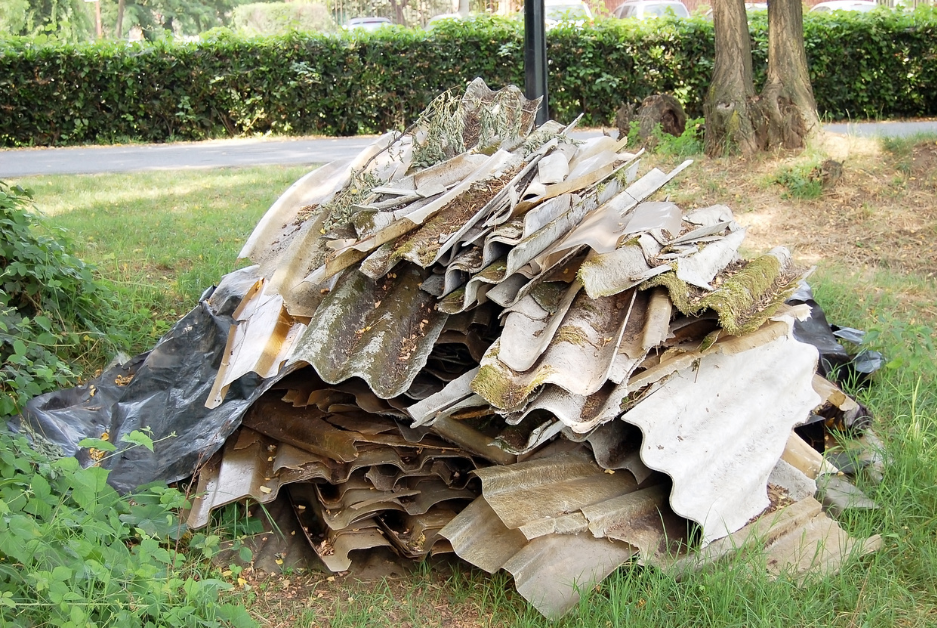
A naturally occurring mineral, asbestos was quarried and converted into all sorts of building materials. It's both heat and water resistant, making it very popular for a wide range of end uses.
Why Is It So Dangerous?
On the surface, asbestos looks harmless enough. And if you don't touch or disturb it, then it's safe to be around.
The problem is when it's disturbed and the asbestos fibres are released into the air. When you look at those fibres under a microscope, they're jagged and razor sharp.
Breathing in some of that cloud of innocent looking dust is actually like breathing a whole bunch of tiny razor blades into your nice, soft lungs. That's not going to end well.
Repeated exposure leads to conditions such as:
In fact, it's believed asbestos contributes to something like 4,000 deaths a year. On a personal note, my dad has suffered from asbestos-related health issues for 40 years, and I wouldn't wish that on my worst enemy.
How Do I Know It's Asbestos?
Some of the more common building products made from asbestos are easy enough to spot, such as sheeting. But the only approved method for identifying asbestos is having something tested by an NATA accredited laboratory.
So if you have any suspicion at all that a product might contain asbestos, get it tested as part of your property development site analysis.
Bonded (Non-Friable) Asbestos
This is the type of asbestos most people are familiar with. Asbestos fibres are bound together with other materials to form products such as cement sheeting.
And if you don't disturb it in any way, the fibres can't escape and become airborne, so it's safe. Unfortunately property developing does tend to result in things getting demolished or damaged, so you do need to deal with it safely.
The usual management of bonded asbestos involves enclosing it inside a safe material and disposing of it. Check your state regulations, as you may be able to dispose of small amounts yourself if you use the correct procedure. Larger amounts require a licensed contractor.
Friable Asbestos
This is when asbestos gets nasty - the fibres are readily inhalable. Some of the older "blow in" roof insulation falls into this category.
But be aware that as soon as you drill or damage bonded asbestos, it's also considered friable.
Either way, this is not something you should deal with yourself. Definitely a job for a qualified asbestos removalist. Verify both their licence and insurance.
Our Property Development Formula course covers the broader process of assessing development site, building your professional team and managing risks before they become expensive project problems.
The Risks Of Asbestos
I've already covered the health risks of asbestos, but there are other property development risks if there's asbestos on your development site.
If you have a small amount of asbestos to deal with, yes, it's going to cost you something to get it removed professionally, but in the overall scheme of things it's not expensive.
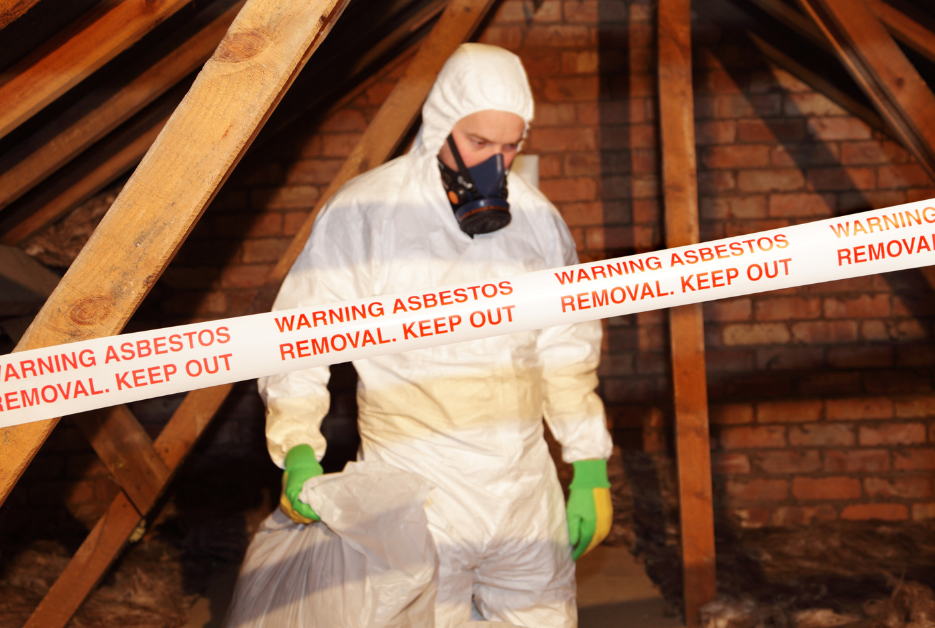 But if you have a larger development site, and discover there's asbestos buried in the soil over a big area, that bill can get large very, very quickly. That's a headache you don't need, particularly if an allowance wasn't included in your property development construction costs.
There's also the risk of contamination to other parts of your site or even a neighbouring property. Once asbestos is airborne, a good breeze will get it spreading quite surprising distances. That's why it's so important to handle it correctly.
If you or your contractor does cause asbestos contamination, it's going to hurt. You're looking at clean up notices, fines, liability claims for others who are exposed - and the list goes on.
But even worse - once other bodies start to get involved in order to investigate, that means DELAYS. That's a whole lot of costs and stress you don't need, and you can avoid it if you do things correctly from the start.
I Think There's Asbestos On My Development Site - Now What?
First up, don't panic. Yes, it would be better if it wasn't there, but if you take the right steps, it doesn't necessarily mean you have a huge problem on the site. A lot of the time it's relatively cheap and quick to remove.
Start with getting an asbestos report, along with a risk evaluation, prior to demolition. Make sure you use licensed contractors. Safe removal is the priority, not getting the cheapest price you can!
If you suspect there may have been fill used on the site, or prior buildings demolished and buried, then soil testing is also a very good idea when assessing your property development site. Once you start bringing machinery onto site, any submerged asbestos may be exposed. So it may be necessary to remove it.
Depending on the size of the problem, it may also be good to have air monitoring conducted by a hygienist along the way, and obtain clearance before allowing other workers back on site.
Does asbestos present a very definite health hazard? Yes. Should I panic and run away screaming? No.
But you do need to make sure you identify the extent of the problem, use the right people to identify and remove the asbestos from your development site, and tick all the boxes as you go. If you do that, you may be surprised to find it's not as big and expensive a problem as you first thought.
Well, up to a point, that's true. But in fact there's a lot more to asbestos than that, and the more you understand about it, the better prepared you'll be to deal with it.
Because if you're not, it might just deliver you some very big bills you weren't expecting and completely undermine your property development feasibility.
Before it was banned in 2003, asbestos was used in around 3,000 different products. Read that number again. 3,000!! That's a lot of different products. In fact, it's estimated that 1 in 3 Australian homes contains asbestos in some form.
Some of the most common include:
- Cladding
- Roof tiles/sheeting
- Shower linings
- Vinyl tiles
- Roof insulation
- Underneath a concrete slab
- Insulation
A naturally occurring mineral, asbestos was quarried and converted into all sorts of building materials. It's both heat and water resistant, making it very popular for a wide range of end uses.
Why Is It So Dangerous?
On the surface, asbestos looks harmless enough. And if you don't touch or disturb it, then it's safe to be around.
The problem is when it's disturbed and the asbestos fibres are released into the air. When you look at those fibres under a microscope, they're jagged and razor sharp.
Breathing in some of that cloud of innocent looking dust is actually like breathing a whole bunch of tiny razor blades into your nice, soft lungs. That's not going to end well.
Repeated exposure leads to conditions such as:
- Mesothelioma (Lung cancer) - fast-growing cancer frequently caused by exposure to asbestos
- Asbestosis - scar tissue forms inside the lungs and makes breathing difficult
- Pleural plaques - asbestos fibres cause thickened patches of scar tissue on the lung lining
In fact, it's believed asbestos contributes to something like 4,000 deaths a year. On a personal note, my dad has suffered from asbestos-related health issues for 40 years, and I wouldn't wish that on my worst enemy.
How Do I Know It's Asbestos?
Some of the more common building products made from asbestos are easy enough to spot, such as sheeting. But the only approved method for identifying asbestos is having something tested by an NATA accredited laboratory.
So if you have any suspicion at all that a product might contain asbestos, get it tested as part of your property development site analysis.
Bonded (Non-Friable) Asbestos
This is the type of asbestos most people are familiar with. Asbestos fibres are bound together with other materials to form products such as cement sheeting.
And if you don't disturb it in any way, the fibres can't escape and become airborne, so it's safe. Unfortunately property developing does tend to result in things getting demolished or damaged, so you do need to deal with it safely.
The usual management of bonded asbestos involves enclosing it inside a safe material and disposing of it. Check your state regulations, as you may be able to dispose of small amounts yourself if you use the correct procedure. Larger amounts require a licensed contractor.
Friable Asbestos
This is when asbestos gets nasty - the fibres are readily inhalable. Some of the older "blow in" roof insulation falls into this category.
But be aware that as soon as you drill or damage bonded asbestos, it's also considered friable.
Either way, this is not something you should deal with yourself. Definitely a job for a qualified asbestos removalist. Verify both their licence and insurance.
Our Property Development Formula course covers the broader process of assessing development site, building your professional team and managing risks before they become expensive project problems.
The Risks Of Asbestos
I've already covered the health risks of asbestos, but there are other property development risks if there's asbestos on your development site.
If you have a small amount of asbestos to deal with, yes, it's going to cost you something to get it removed professionally, but in the overall scheme of things it's not expensive.
But if you have a larger development site, and discover there's asbestos buried in the soil over a big area, that bill can get large very, very quickly. That's a headache you don't need, particularly if an allowance wasn't included in your property development construction costs.There's also the risk of contamination to other parts of your site or even a neighbouring property. Once asbestos is airborne, a good breeze will get it spreading quite surprising distances. That's why it's so important to handle it correctly.
If you or your contractor does cause asbestos contamination, it's going to hurt. You're looking at clean up notices, fines, liability claims for others who are exposed - and the list goes on.
But even worse - once other bodies start to get involved in order to investigate, that means DELAYS. That's a whole lot of costs and stress you don't need, and you can avoid it if you do things correctly from the start.
I Think There's Asbestos On My Development Site - Now What?
First up, don't panic. Yes, it would be better if it wasn't there, but if you take the right steps, it doesn't necessarily mean you have a huge problem on the site. A lot of the time it's relatively cheap and quick to remove.
Start with getting an asbestos report, along with a risk evaluation, prior to demolition. Make sure you use licensed contractors. Safe removal is the priority, not getting the cheapest price you can!
If you suspect there may have been fill used on the site, or prior buildings demolished and buried, then soil testing is also a very good idea when assessing your property development site. Once you start bringing machinery onto site, any submerged asbestos may be exposed. So it may be necessary to remove it.
Depending on the size of the problem, it may also be good to have air monitoring conducted by a hygienist along the way, and obtain clearance before allowing other workers back on site.
Does asbestos present a very definite health hazard? Yes. Should I panic and run away screaming? No.
But you do need to make sure you identify the extent of the problem, use the right people to identify and remove the asbestos from your development site, and tick all the boxes as you go. If you do that, you may be surprised to find it's not as big and expensive a problem as you first thought.