
The phone rings, and your heart leaps with joy when you realise it's a property owner, ringing to find out more about your offer to buy their property.
Then they ask the dreaded question "how much will you pay me for my property?" It's almost the first question every vendor asks. It's also vital that you answer it the right way - and that's not by naming a price. Your negotiation strategy is critical in securing property development deals.
So what do you need to do and say to move beyond hearing the dial tone in your ear when you don't say the price they want to hear?
Answer Later
If there's one thing I've learnt, it's this - don't answer straightaway. Why? Because they've caught you in the middle of something else, which means you've got half a dozen uncompleted tasks floating around in your head. You're not fully focussed. It might have been weeks or even months since you looked at their property.
In those conditions, answering with a price is the worst thing you can do. The best thing is to defer the conversation until later. You're not at your desk. You're just going into a meeting. You've just picked your kids up from school and need to focus on them. Take your pick.
The main idea here is to buy yourself some time. Because while they probably think theirs is the only potential development property on your list and therefore you should know every detail about it off the top of your head, you know that's not the case. Their property might have passed through my Rapid Elimination Method check, but you still need to do a couple of hours of due diligence in order to formulate a price. Due diligence always comes before pricing.
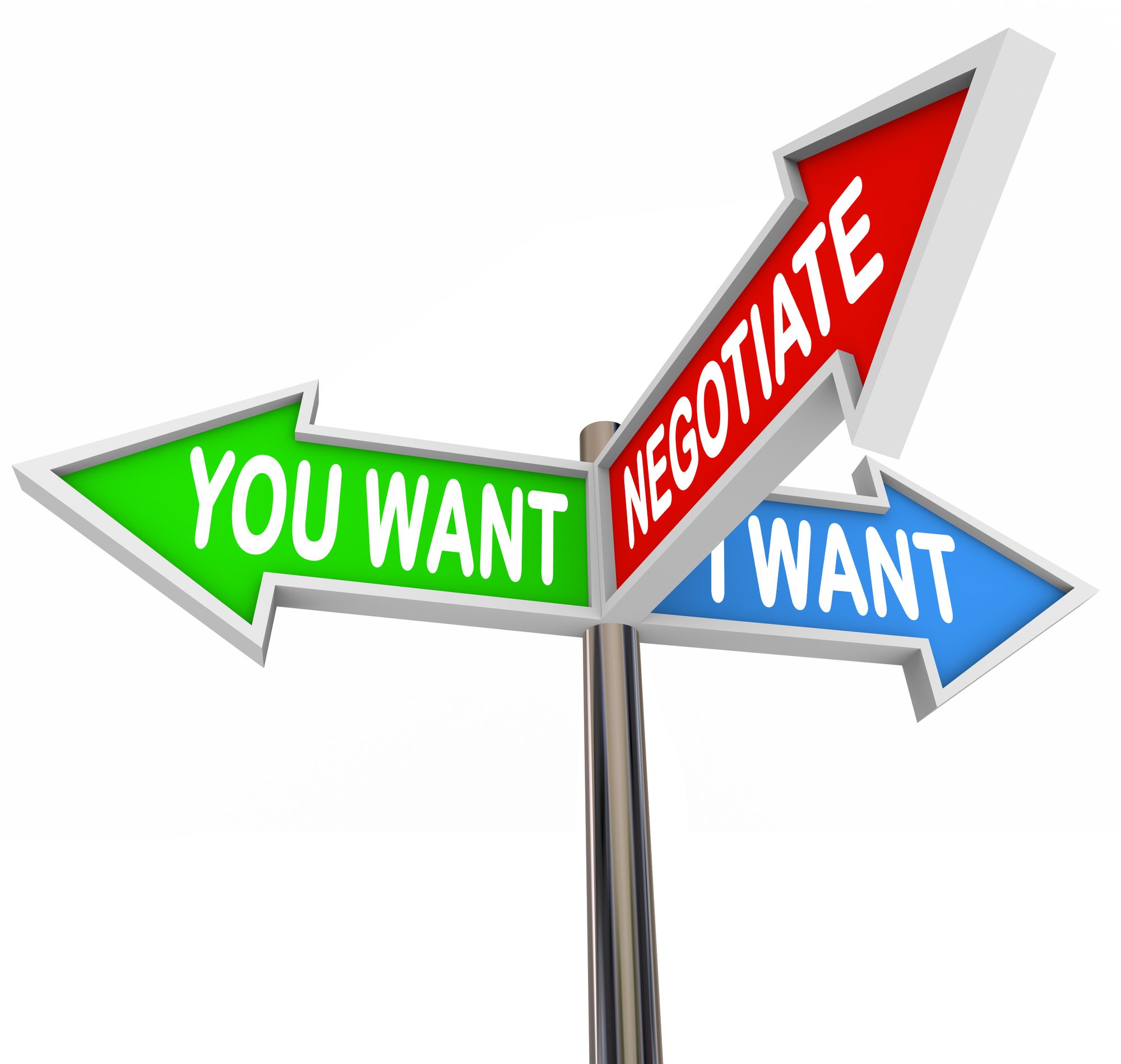
Next, suggest an alternate time to talk. It's always best to set up a meeting in person if you possibly can, but at the very least, pick a time for you to call them back. Give yourself enough time to do the required due diligence checks, but don't make them wait a month either. You want to pursue the opportunity as soon as you can so they don't lose interest.
Do Your Research
Once you've agreed on a time to catch up properly, get researching. Do the required checks to confirm that the property really is developable. Look at comparables in the marketplace so you get an idea of price. And do the rough feasibility numbers using a tool like QwikFeaso so you're clear on whether the deal is a profitable development deal for you. Your property development feasibility will guide your negotiation.
Price vs Terms
Now, I know a lot of people say you make your money when you buy, and then assume it's all about price. Personally, I think there's two big factors at play when you're negotiating on a property - price and terms. I think of it this way:
This is why it's so important to find out what the vendor needs from the sale. Because although we're all schooled to think it's all about price, there's vendors out there who are more interested in terms. Knowing this can have a big impact on your property negotiation.
Think of it this way. Say the person who's rung recently lost their elderly parent, and they now want to sell the old family home. It's currently vacant and in poor condition. They know it is big enough to be developed, but also know that in order to put it up for sale they're going to have to do a whole bunch of work to get it ready. They're busy and can't be bothered - they just want a clean sale.
 Current market value for the property, as is, would be $1 million. They've already talked to agents, so they know that. What they don't want is for you to come in and say you want to delay settlement for 12 months while you get development approvals.
In that scenario, they've got an empty house sitting there which is a risk. Insurance companies won't cover it, squatters might move in, and the list goes on. They certainly don't want to pay money to clean it up so it can be rented out for the next 12 months.
So although you might save money in terms of holding costs for 12 months, which means you can pay $1.05 million for the property, there's a strong possibility they'll still say no.
But if you say look, I can buy it and settle in 30 days, but to do that I'm going to pay an extra $50,000 in interest to hold it while I'm getting the necessary permits to develop. How about I pay you $950,000 to take it off your hands? You'll still save yourself the agent's commission and the hassle of going through the sales process.
If you were that vendor, what would you do? In that situation, a lot of vendors will just say yes, take the money and move on.
Now, notice what I did here. I didn't wade in upfront with an offer of $950,000 in answer to their "how much will you pay for my property?" question. Because if they've got a figure of $1 million in their head, that sounds like lowballing and I'll immediately lose credibility with them.
Instead, I've taken the time to find out what their needs are. Not their wants, but their needs. In this case their need is to offload the property ASAP and move on with minimum hassles. This part is crucial. By understanding vendor motivation you can dramatically improve negotiation outcomes.
It's also why you should talk in terms of comparable properties and what they've sold for, rather than jumping straight in with a specific price. Make it clear that you know the market price and are happy to pay it. It never hurts to mention the games agents often play, which usually involve quoting an inflated price initially to get the listing, then talking the vendor down from there.
If you've been clear about where you see value for their property, and explain why you need to chip a bit off the price in order to satisfy their terms, chances are they'll appreciate your honesty and say yes. That's a much better outcome than them thinking you're a greedy developer who's trying to lowball them.
The reverse is also true. If they want the highest price they can get, and everyone else is saying $1 million, you've got a really good chance of getting the terms you want, such as delayed settlement, if you justify why you need it, and how it makes it possible to give them the best price.
Inside my Property Development Formula course, we walk through negotiation strategies and structural deals around vendor needs.
In the end, much as price is part of the negotiations, understanding and meeting the vendor's needs in a way that works for you is also a big part. Once you understand that and develop the skills to negotiate with the vendor, answering the "how much will you pay for my property" question becomes much easier to answer, and you have a much better chance the vendor will accept your offer.
Then they ask the dreaded question "how much will you pay me for my property?" It's almost the first question every vendor asks. It's also vital that you answer it the right way - and that's not by naming a price. Your negotiation strategy is critical in securing property development deals.
So what do you need to do and say to move beyond hearing the dial tone in your ear when you don't say the price they want to hear?
Answer Later
If there's one thing I've learnt, it's this - don't answer straightaway. Why? Because they've caught you in the middle of something else, which means you've got half a dozen uncompleted tasks floating around in your head. You're not fully focussed. It might have been weeks or even months since you looked at their property.
In those conditions, answering with a price is the worst thing you can do. The best thing is to defer the conversation until later. You're not at your desk. You're just going into a meeting. You've just picked your kids up from school and need to focus on them. Take your pick.
The main idea here is to buy yourself some time. Because while they probably think theirs is the only potential development property on your list and therefore you should know every detail about it off the top of your head, you know that's not the case. Their property might have passed through my Rapid Elimination Method check, but you still need to do a couple of hours of due diligence in order to formulate a price. Due diligence always comes before pricing.
Next, suggest an alternate time to talk. It's always best to set up a meeting in person if you possibly can, but at the very least, pick a time for you to call them back. Give yourself enough time to do the required due diligence checks, but don't make them wait a month either. You want to pursue the opportunity as soon as you can so they don't lose interest.
Do Your Research
Once you've agreed on a time to catch up properly, get researching. Do the required checks to confirm that the property really is developable. Look at comparables in the marketplace so you get an idea of price. And do the rough feasibility numbers using a tool like QwikFeaso so you're clear on whether the deal is a profitable development deal for you. Your property development feasibility will guide your negotiation.
Price vs Terms
Now, I know a lot of people say you make your money when you buy, and then assume it's all about price. Personally, I think there's two big factors at play when you're negotiating on a property - price and terms. I think of it this way:
- Their price, my terms
- Their terms, my price
This is why it's so important to find out what the vendor needs from the sale. Because although we're all schooled to think it's all about price, there's vendors out there who are more interested in terms. Knowing this can have a big impact on your property negotiation.
Think of it this way. Say the person who's rung recently lost their elderly parent, and they now want to sell the old family home. It's currently vacant and in poor condition. They know it is big enough to be developed, but also know that in order to put it up for sale they're going to have to do a whole bunch of work to get it ready. They're busy and can't be bothered - they just want a clean sale.
Current market value for the property, as is, would be $1 million. They've already talked to agents, so they know that. What they don't want is for you to come in and say you want to delay settlement for 12 months while you get development approvals.In that scenario, they've got an empty house sitting there which is a risk. Insurance companies won't cover it, squatters might move in, and the list goes on. They certainly don't want to pay money to clean it up so it can be rented out for the next 12 months.
So although you might save money in terms of holding costs for 12 months, which means you can pay $1.05 million for the property, there's a strong possibility they'll still say no.
But if you say look, I can buy it and settle in 30 days, but to do that I'm going to pay an extra $50,000 in interest to hold it while I'm getting the necessary permits to develop. How about I pay you $950,000 to take it off your hands? You'll still save yourself the agent's commission and the hassle of going through the sales process.
If you were that vendor, what would you do? In that situation, a lot of vendors will just say yes, take the money and move on.
Now, notice what I did here. I didn't wade in upfront with an offer of $950,000 in answer to their "how much will you pay for my property?" question. Because if they've got a figure of $1 million in their head, that sounds like lowballing and I'll immediately lose credibility with them.
Instead, I've taken the time to find out what their needs are. Not their wants, but their needs. In this case their need is to offload the property ASAP and move on with minimum hassles. This part is crucial. By understanding vendor motivation you can dramatically improve negotiation outcomes.
It's also why you should talk in terms of comparable properties and what they've sold for, rather than jumping straight in with a specific price. Make it clear that you know the market price and are happy to pay it. It never hurts to mention the games agents often play, which usually involve quoting an inflated price initially to get the listing, then talking the vendor down from there.
If you've been clear about where you see value for their property, and explain why you need to chip a bit off the price in order to satisfy their terms, chances are they'll appreciate your honesty and say yes. That's a much better outcome than them thinking you're a greedy developer who's trying to lowball them.
The reverse is also true. If they want the highest price they can get, and everyone else is saying $1 million, you've got a really good chance of getting the terms you want, such as delayed settlement, if you justify why you need it, and how it makes it possible to give them the best price.
Inside my Property Development Formula course, we walk through negotiation strategies and structural deals around vendor needs.
In the end, much as price is part of the negotiations, understanding and meeting the vendor's needs in a way that works for you is also a big part. Once you understand that and develop the skills to negotiate with the vendor, answering the "how much will you pay for my property" question becomes much easier to answer, and you have a much better chance the vendor will accept your offer.